We are excited to share with you the sixth annual New York at Work report, produced by Cornell University’s New York State School of Industrial and Labor Relations (ILR).
Established by the New York State Legislature in 1945 to address the great workplace conflicts of the day and to promote better labor-management relations, the ILR School is guided by a commitment to social and economic justice and to improving the lives of New York’s working people. Today, we continue to be the world’s leading school focused on labor, management and the economy.
Contents
Artificial Intelligence
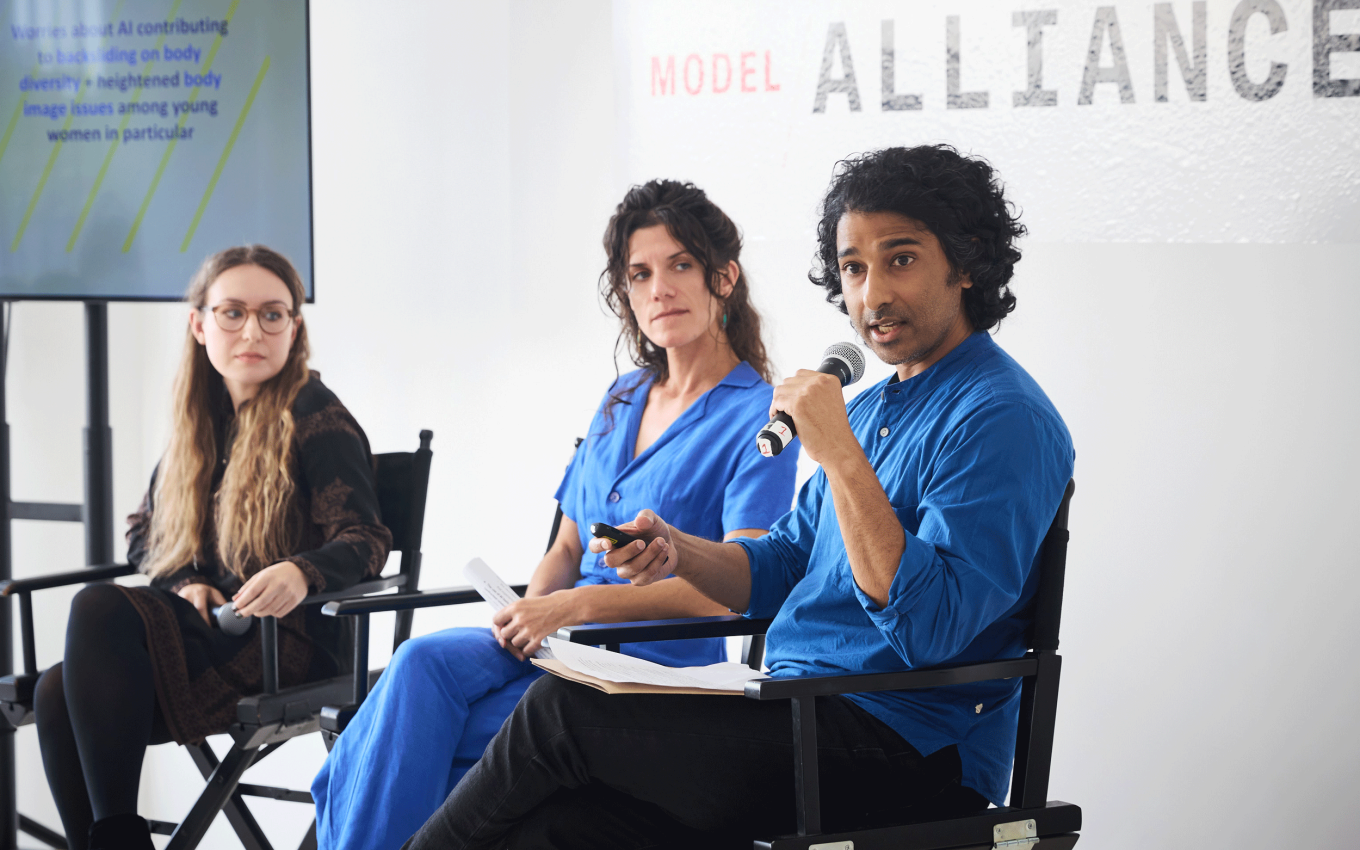
This brief shares key findings from research investigating how artificial intelligence (AI) technologies impact workers in the fashion industry, how they experience and perceive the use of AI in their industry, and what it may mean for the future of modeling as a profession.
Climate
New York’s progress toward the commitments established in the Climate Leadership and Community Protection Act (CLCPA) has been mixed. Much more is needed to meet the law’s goals and address the severe affordability crisis the state is facing, even following amendments made to the CLCPA in 2026.

The Climate Jobs Institute (CJI) has partnered with organizations in New York’s Apprenticeship Readiness Collective (ARC) and with Uprose, a Brooklyn-based, nationally recognized environmental justice organization, to develop and deliver a climate and clean energy apprenticeship readiness curriculum called Next Generation Clean Energy.
County-Level Economy
In 2025, the Erie County Commission on the Status of Women and the Buffalo Co-Lab at Cornell University’s ILR School conducted a study to determine the extent of a gender wage gap in Erie County, New York, and to make recommendations on how such wage inequities can be addressed and eradicated.

In Tompkins County, the most income-unequal metro area in upstate New York, activists, employers and policymakers have been working since the 1980s to increase the minimum wage to a living-wage level. A living wage covers “basic” expenditures for a single person who lives frugally and does not have to pay for childcare.

Disability
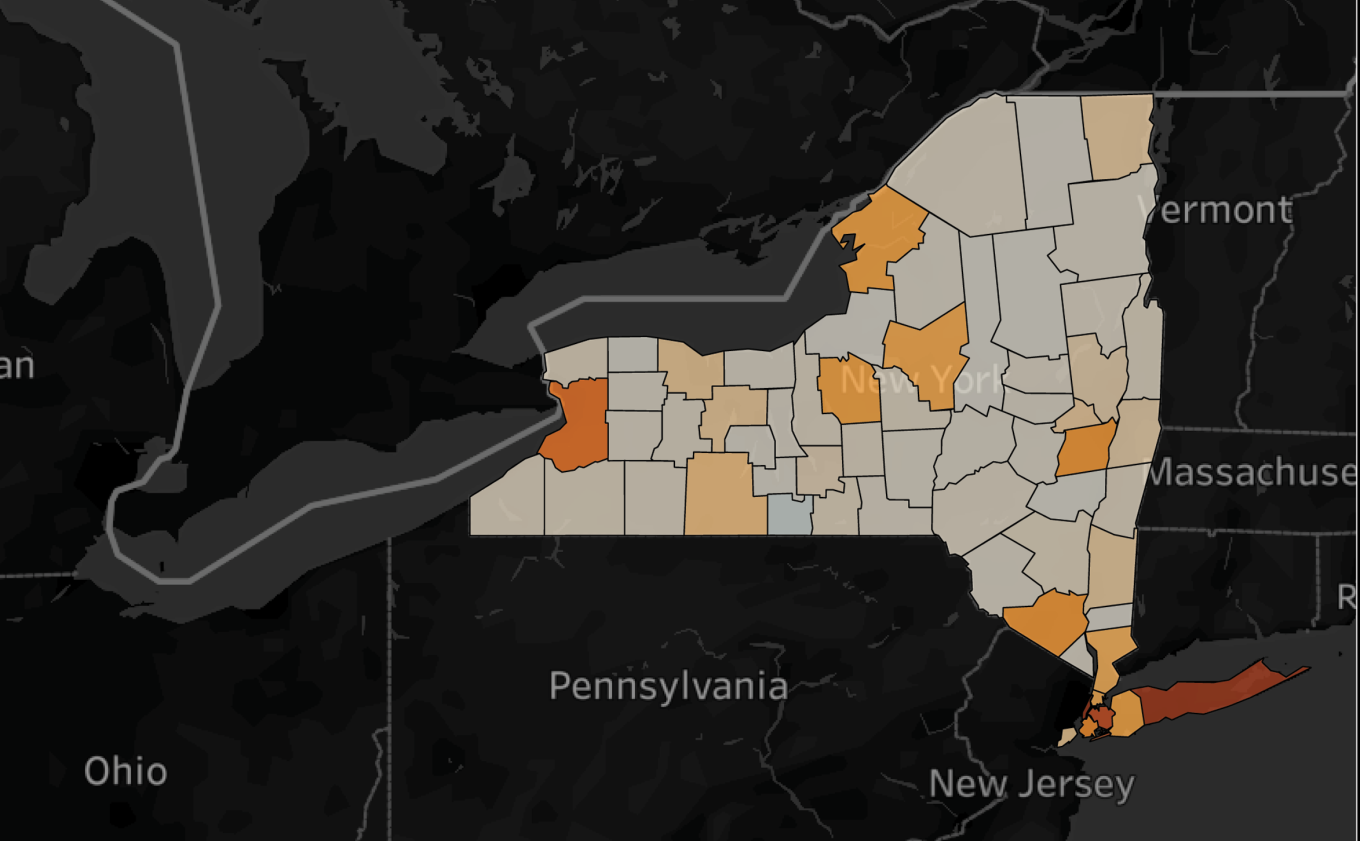
Researchers at the Yang-Tan Institute on Employment and Disability (YTI) have spent decades examining disability statistics. Working with the institute’s web team, they have created an interactive website aimed at policymakers, public administrators and others interested in accurate information about people with disabilities and employment.

Empire State Poll
For over 20 years, Cornell University’s Empire State Poll (ESP) has taken the pulse of New York state residents’ public opinion. Now administered by the Center for Applied Research on Work (CAROW), the poll has continued to ask many of its general-opinion questions while increasing its focus on work.

The national care crisis is sharply visible in New York. Those caring for family and loved ones are straining under the weight of unpaid caregiving, while support for care remains unaffordable and difficult to access; at the same time, there is a shortage of paid care workers, who endure devalued, underpaid jobs.

This policy brief shares findings from the 2024 Empire State Poll on racial discrimination, sexual harassment and intimate partner violence in the workplace, as well as how people respond to such issues.

Federal Impacts
This project seeks to provide New York residents, government leaders and staff, businesses, nonprofits and other stakeholders with data-driven insights on how federal actions in pursuit of government efficiency and domestic economic growth are affecting the state.
Changes under the Trump Administration have put federal priorities in conflict with New York’s constitutional commitment to protect workers’ rights to organize and bargain collectively through representatives of their own choosing.

Immigration in NYS
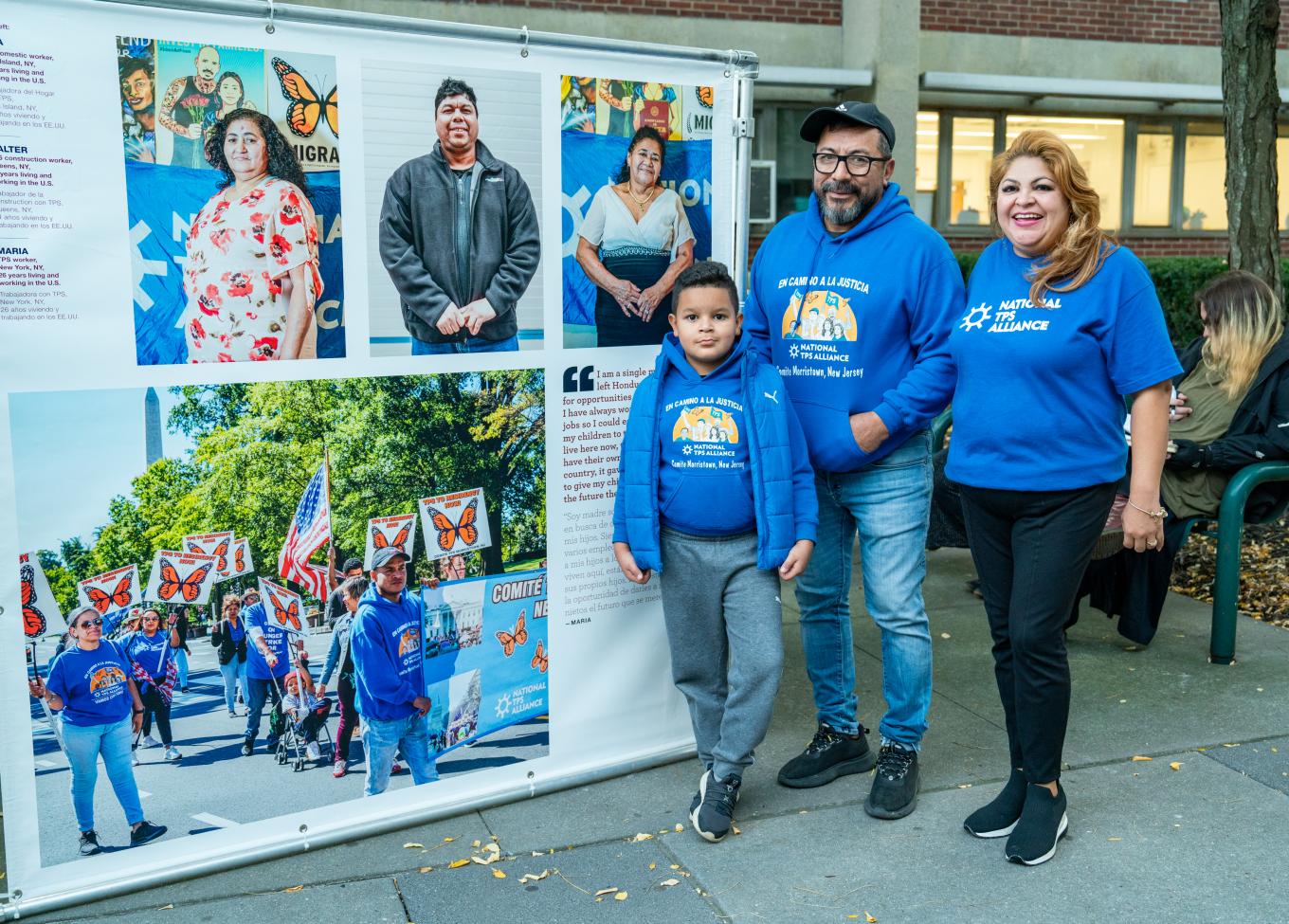
This research focuses on the lives of workers with Temporary Protected Status (TPS) in New York state. The study’s overall findings reveal a community that plays a critical role in New York state’s economy, is highly engaged in civic and political organizations, and has an overwhelmingly positive view of their own sense of belonging; community members feel that New York and the U.S. is their home.
Justice-Impacted Employment
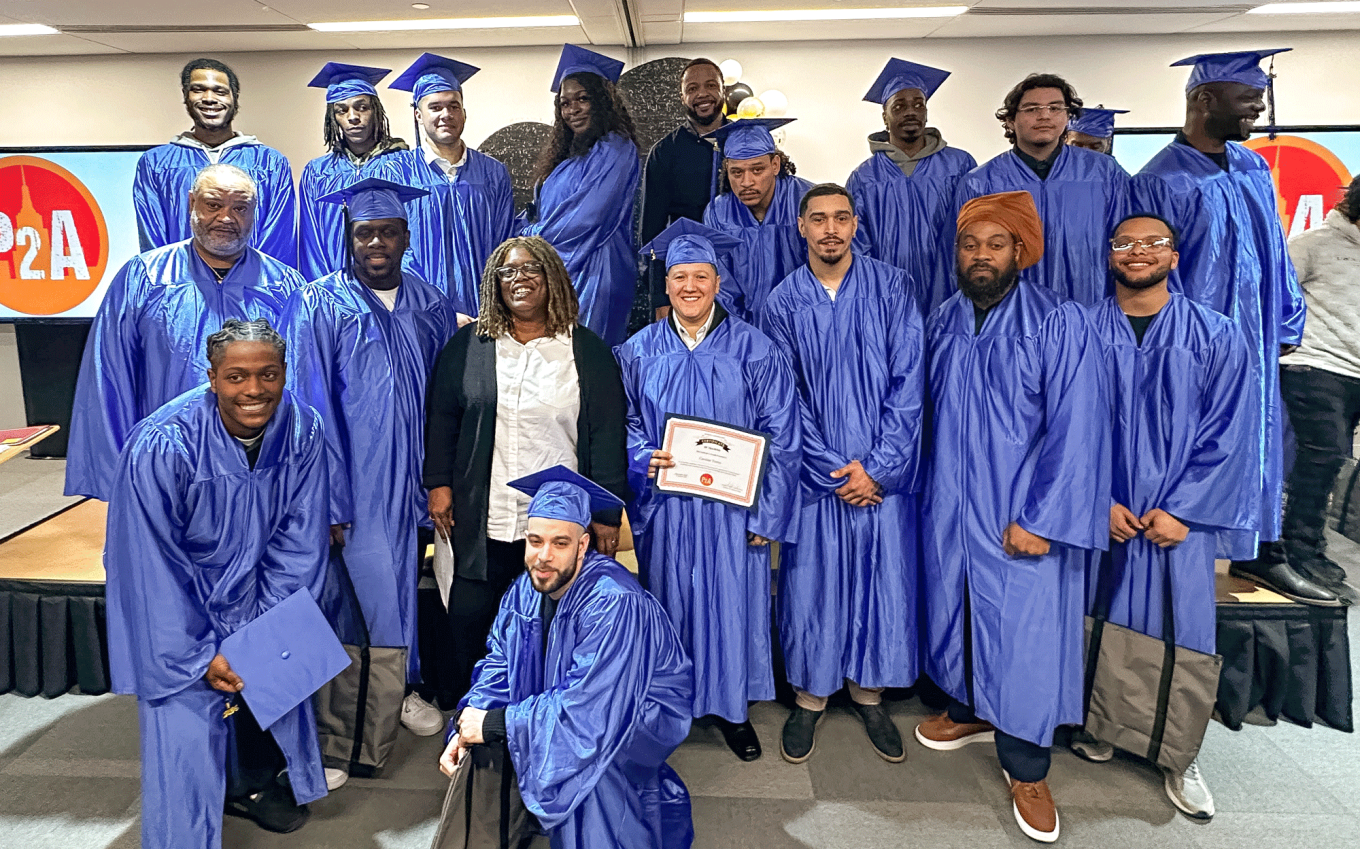
The Criminal Record Online Toolkit is designed to help the over two million New Yorkers with a criminal record navigate the overwhelming and complex criminal justice system.

As separate groups, people with disabilities and justice-impacted individuals face significant barriers to work. They are among the most likely to be underemployed or unemployed, or to exit the labor market early. This is true both nationally and in New York, where each group has extremely low employment rates compared to the general population.

Mental Health
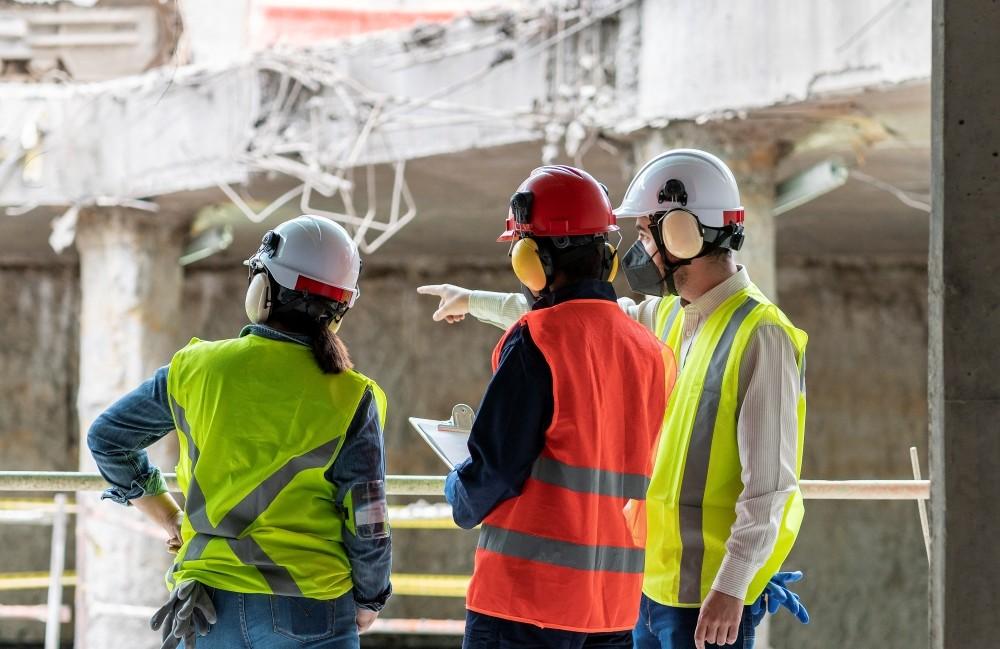
Construction workers face some of the highest rates of suicide and drug overdose in the U.S. Dangerous and physically demanding working conditions, exposure to traumatic incidents and stigma around expressing vulnerability contribute to the crisis, while discouraging workers from discussing mental health or seeking help.
NYC Law
The Buffalo Co-Lab and the Worker Institute conducted a feasibility study for the use of Project Labor Agreements (PLAs) in street tree planting contracts commissioned by the New York City Department of Parks and Recreation.

Street vending has long been an important entry point to the local labor market for immigrants in New York City. Thousands of New Yorkers build their livelihoods by serving the tourism industry and providing fresh food to our communities.