
Overview
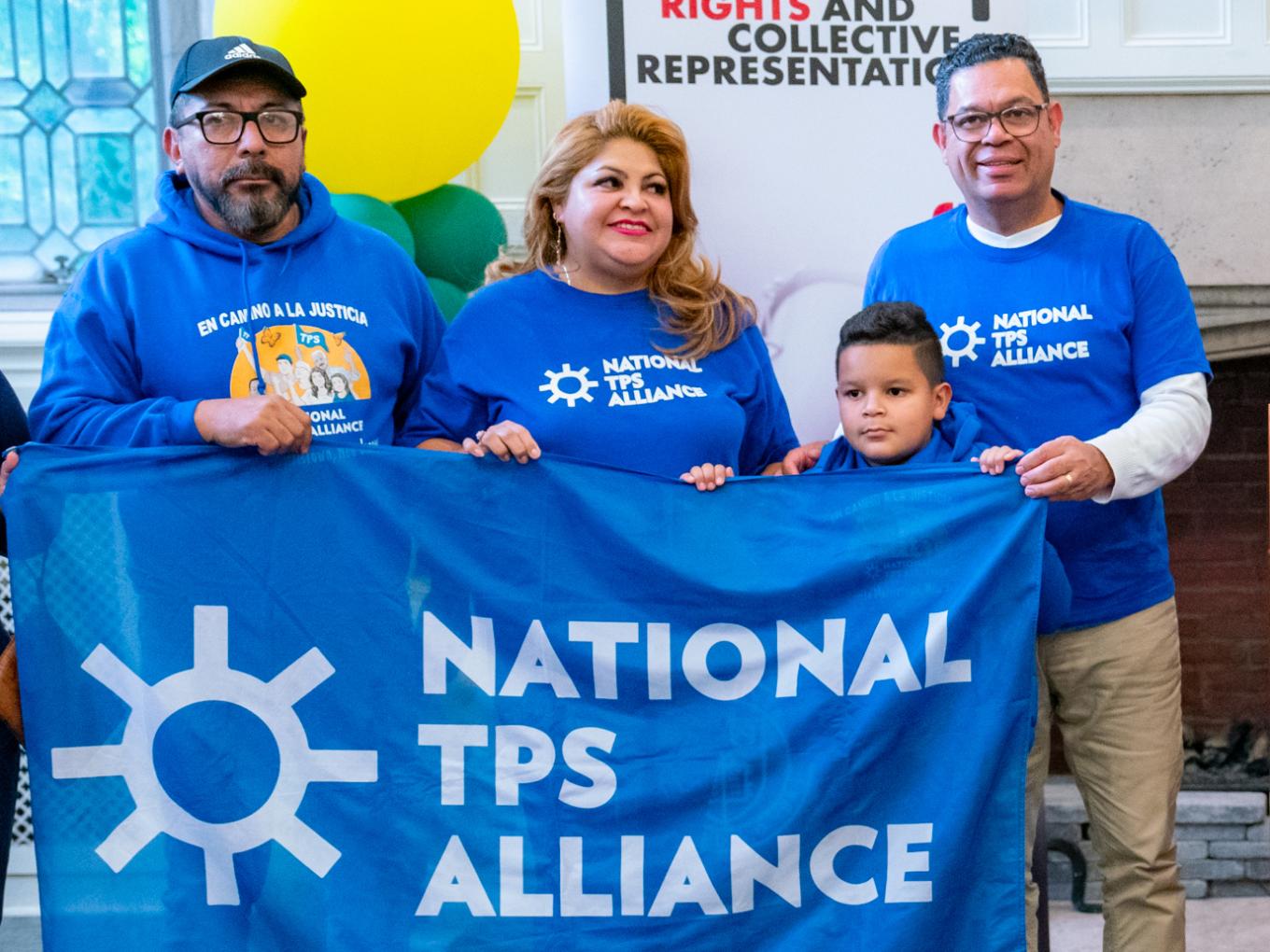
This research focuses on the lives of workers with Temporary Protected Status (TPS) in New York state. The study’s overall findings reveal a community that plays a critical role in New York state’s economy, is highly engaged in civic and political organizations, and has an overwhelmingly positive view of their own sense of belonging; community members feel that New York and the U.S. is their home.
This report focuses on Central American workers, who have held TPS status the longest. By examining the impact of this status on Central American TPS holders, many of whom have been in this country for 25 to 30 years, this research seeks to contribute to understanding how temporary immigration status affects precarity in U.S. workplaces.
Key Findings
- TPS workers overwhelmingly identify New York and the U.S. as their home.
- Study participants reported strong integration into their communities and commitment to American values.
- TPS holders have made substantial economic contributions through decades of legal employment and tax payments.
- More than 279,200 American-born citizen children depend on TPS-holder parents for their well-being and stability.
- The threat of deportation and family separation creates lasting social, emotional and economic harm.
Recommendations
- Enact reforms to create a TPS pathway to permanent residency and citizenship.
- Strengthen interagency collaboration on TPS.
- Expand education and understanding on transnational immigration and foreign policy trends that impact migration from the region.
- Expand labor and union leadership education.
- Center TPS holders and their organizations in policy development.
Research Impact
By examining the impact of TPS status on Central Americans, this research seeks to contribute to understanding how temporary immigration status impacts workers’ precarity in U.S. workplaces.
Stripping the TPS legal status of countless immigrants of color, including 300,000 Haitians and 600,000 Venezuelans, threatens to further increase the exploitation of low-wage immigrant workers in key industries, such as healthcare, construction and logistics services. It also threatens the stability of the lives of workers who have become embedded in local communities, are parents of American-born citizen children and have invested their human capital in the American economy.
AUTHORS:
Patricia Campos-Medina, Worker Institute executive director; Natalia Navas, Labor Leadership Initiative extension associate

CONTACTS:
Patricia Campos-Medina
Executive Director
pec1@cornell.edu
Risa Lieberwitz
Academic Director
rll5@cornell.edu
The Worker Institute engages in research and education on contemporary labor issues to generate innovative thinking and solutions to problems related to work, economy and society. The institute brings together researchers, educators and students with practitioners in labor, business and policymaking to confront growing economic and social inequalities, in the interests of working people and their families. A core value of the Worker Institute is that collective representation and workers’ rights are vital to a fair economy, robust democracy and just society.