Temporary Protected Status (TPS) holders have lived, worked and contributed to communities across the United States for decades. Today, nearly 1.6 million immigrant workers hold TPS or related temporary protections, including approximately 300,000 Central Americans who have maintained legal status for 25-30 years. The consequences of ending TPS extend beyond individual families. TPS workers are employed in essential industries, including healthcare, construction, logistics and service sectors. Removing legal work authorization from long-term workers would disrupt local economies, increase labor shortages and heighten the vulnerability of immigrant workers to workplace exploitation.
Key Findings
- TPS workers overwhelmingly identify New York and the United States as their home.
- Participants reported strong integration into their communities and commitment to American values.
- TPS holders have made substantial economic contributions through decades of legal employment and tax payments.
- More than 279,200 American-citizen children depend on TPS holder parents for their well-being and stability.
- The threat of deportation and family separation creates lasting social, emotional and economic harm.
325,000
1.6 million
This report focuses on the long-term temporality of Central American workers with TPS, who have held the status the longest. By examining the impact of this status on Central American TPS holders, this research seeks to contribute to understanding how temporary immigration status impacts workers’ precarity in US workplaces. Stripping the TPS legal status of countless immigrants of color, including 300,000 Haitians and 600,000 Venezuelans, threatens to further increase the exploitation of low-wage immigrant workers in key industries such as healthcare, construction and logistic services. It also threatens the stability of the lives of workers who have become embedded in local communities, are parents of American-citizen children and have invested their human capital in the American economy. This research study focuses on the lives of TPS workers in New York State.
The full report is available in both English and Spanish.
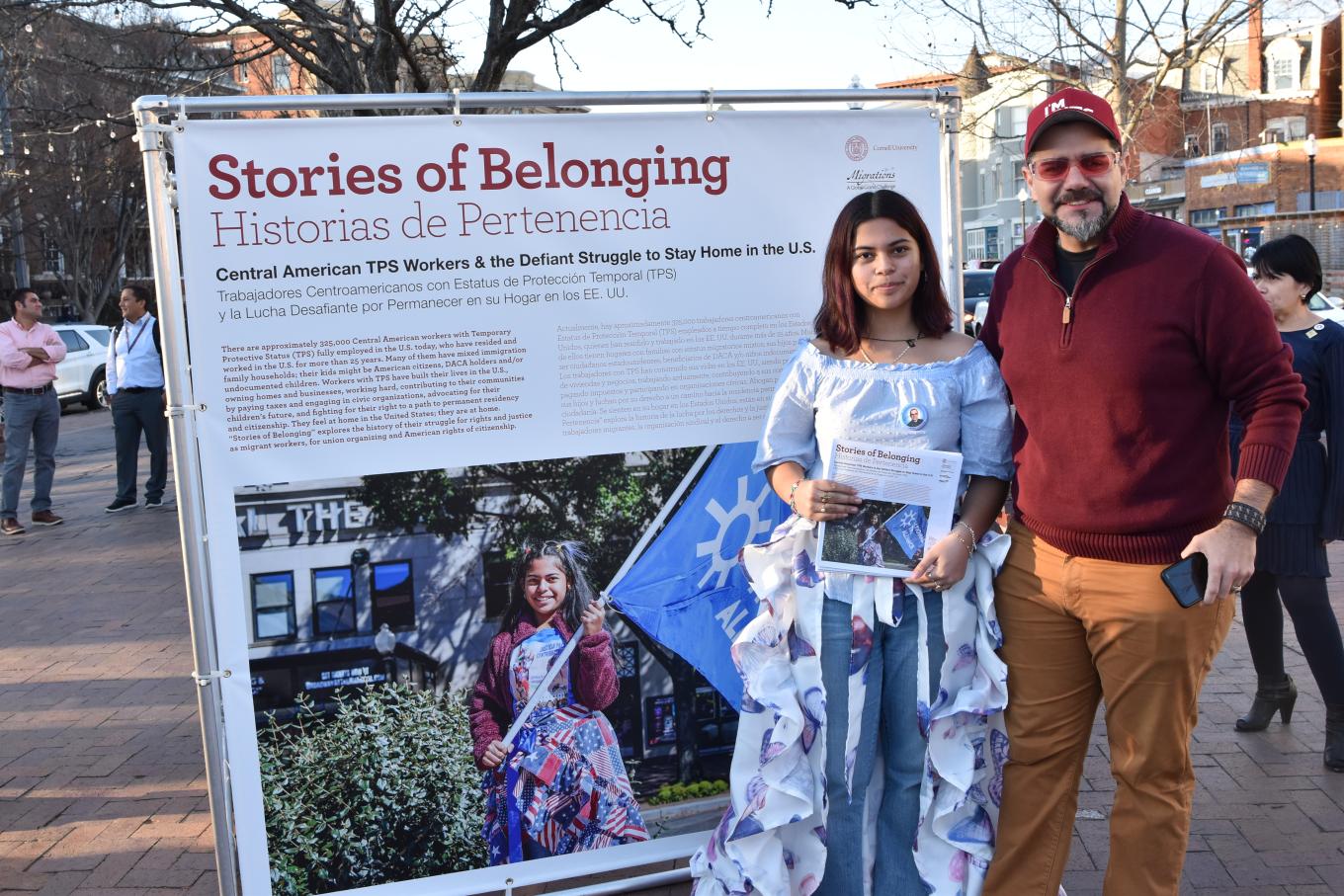
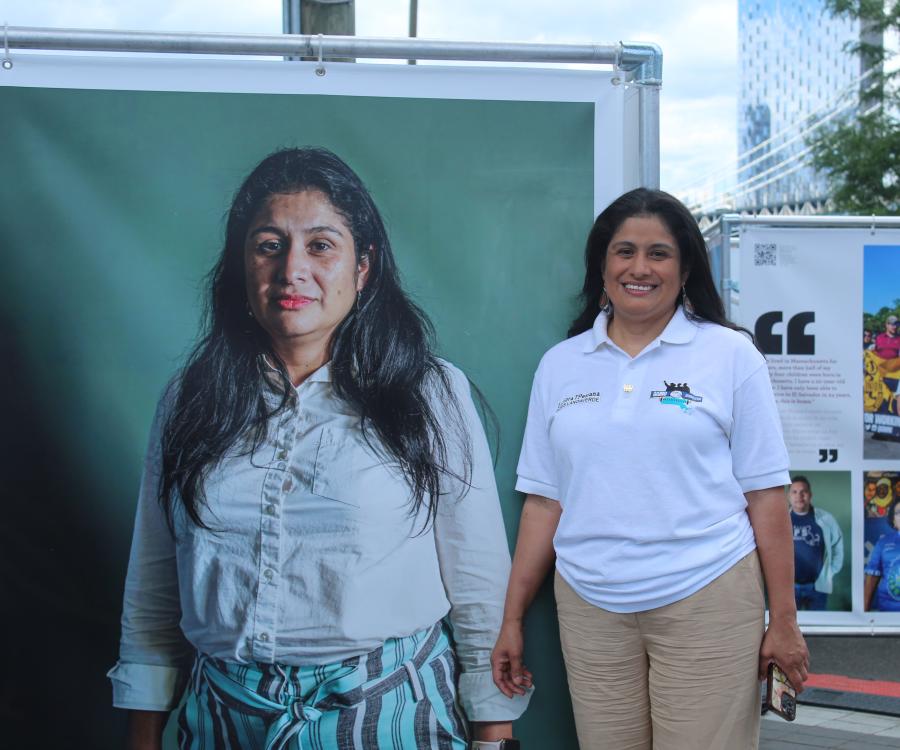
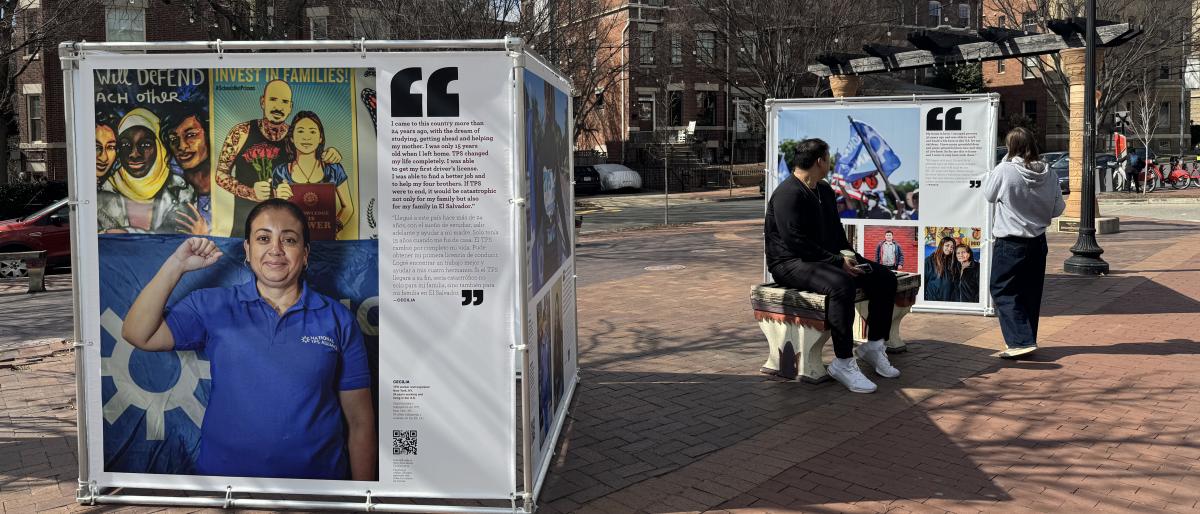
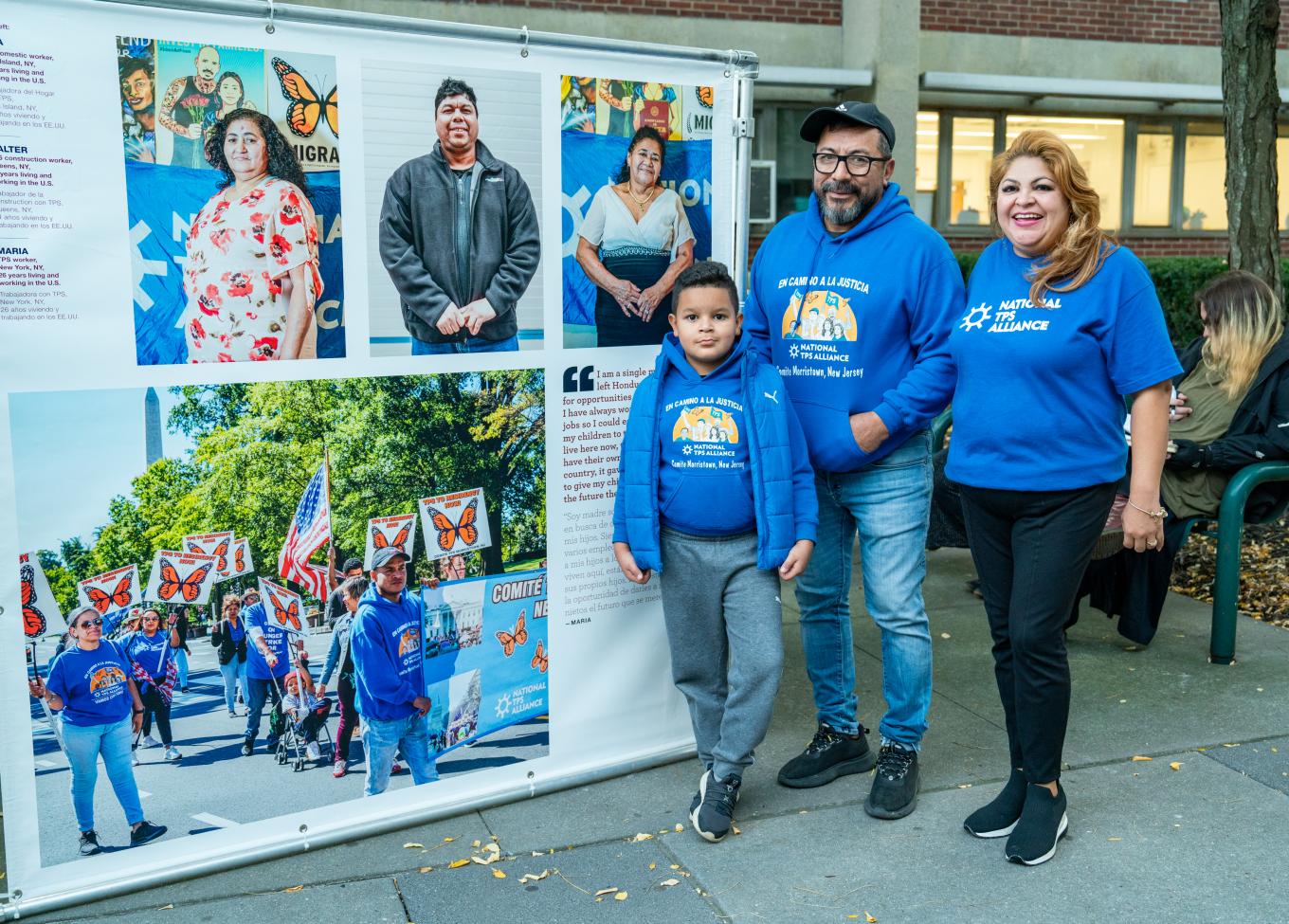
This project began as an exhibition that put faces to the people who hold Temporary Protected Status and whose futures will be impacted without it. It has traveled to several locations across the U.S., highlighting the vital and timely history and present experience TPS workers face today. It includes stories, articles and videos detailing all the work that has gone into creating this report.