Overview
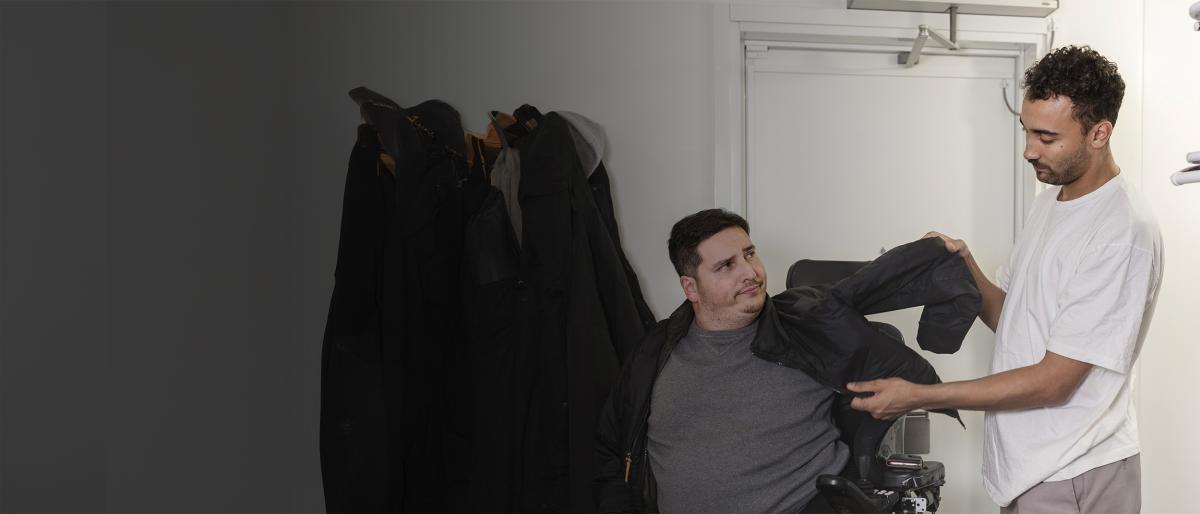
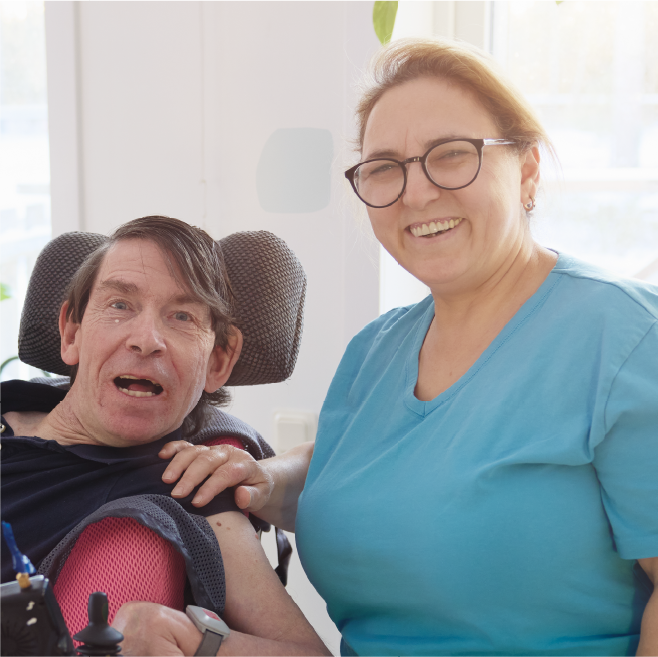
Making Work Work is a three-year collaboration between the Yang-Tan Institute on Employment and Disability and the Worker Institute at Cornell’s ILR School, to identify the policies, programs, and practices that would support home care workers and the adults with disabilities who rely on personal care in order to work.
Learning what we can about how to best support home care workers, especially those with disabilities, is important for their own wellbeing and to support the essential role they play in the lives of individuals who rely on them to participate in employment and community life.
This has become even more urgent due to the current shortage and growing need for care workers. In a field that already has a high rate of disability, it is critical to accommodate and support current and future care workers. As we engage in this work, we will also consider how the degree to which these workers’ needs are addressed influences the care they provide to care recipients, impacting these individuals’ own employability.
We are currently seeking home care providers for participation in our research study about paid home care, disability, and employment. Participants must be home care providers with a disability, chronic health condition, mental health condition, or long-term injury in New York State, Oklahoma, or Washington State.
Participants will complete a 10 minute screening survey. Some survey participants will be invited to engage in a 90-minute focus group or 60-minute individual interview. Your participation is confidential; we will not use your name in the research. If you are interested in participating, please email home_care@cornell.edu.
Key Research Questions
- What challenges and possibilities do people with disabilities experience when they try to take part in the labor market with the support of home care workers?
- What barriers do home care workers face in getting accommodations for their disability-related and life needs, and what happens to those working without them?
- What policies, programs, and practices would let both groups succeed in the labor market?

Activities
- Convene an advisory council of care workers, care recipients, and other constituents.
- Conduct a scoping literature review.
- Collect data through a screening survey and focus groups of care workers and recipients across three states: New York, Washington, and Oklahoma.
Deliverables
- Recommendations for unions, training programs, and the agencies that employ and place home care workers
- Dissemination of findings through publications, research briefs, conference presentations, webinars, and media impact stories.
Research Team
Sarah von Schrader, Principal Investigator
Email: sv282@cornell.edu
Zoë West, Co-Principal Investigator
Zachary Serby, Student Research Assistant
Barbara Gillen, Project Assistant
Email: home_care@cornell.edu
Funding Agencies
National Institute on Disability, Independent Living, and Rehabilitation Research (NIDILRR grant number 90IFRE0105). NIDILRR is a Center within the Administration for Community Living (ACL), Department of Health and Human Services (HHS).
Collaborating Partners
We are grateful to Applied Self-Direction, Developmental Disability Council of Oklahoma, Disability Action Center – NW Inc., Human Service Research Institute, New York Association on Independent Living, Oklahoma Statewide Independent Living Council, and PROVAIL who have agreed to promote the study and findings from this research.
Findings
The project is in its recruitment and data collection phase. To stay up to date about research briefs, papers, and recorded webinars, check back on this page or join YTI’s newsletter by filling out the form below.
Related Resources
CAROW Care Economy & Work Hub
Better understanding how to improve working conditions, empower workers, and improve outcomes for patients, children, families, and the vulnerable.

Worker Institute's Future of Care Work Initiative
Exploring the widely devalued, underpaid and too often difficult, degrading working conditions of care economy jobs.
YTI Work-Life Balance & Disability Project
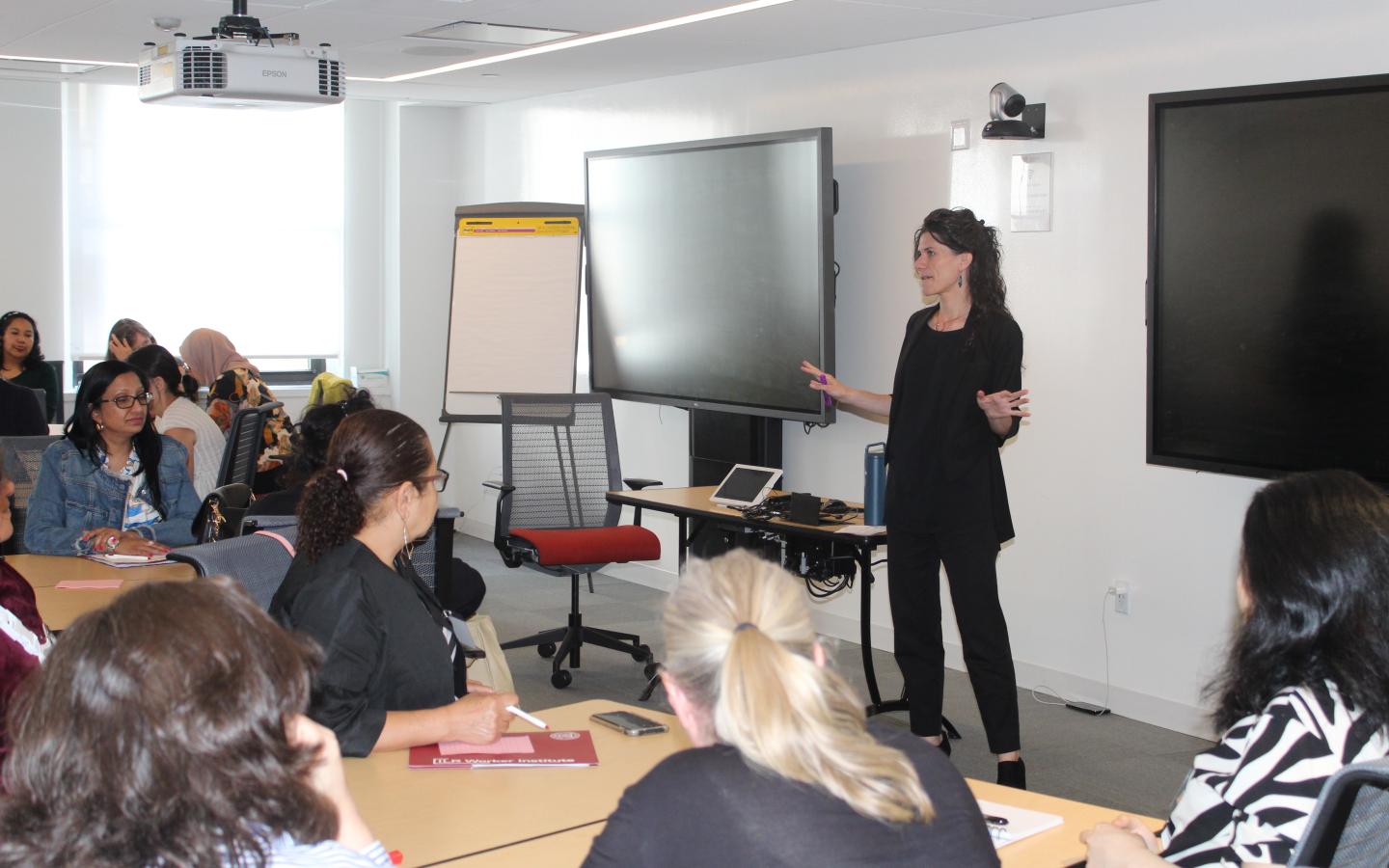
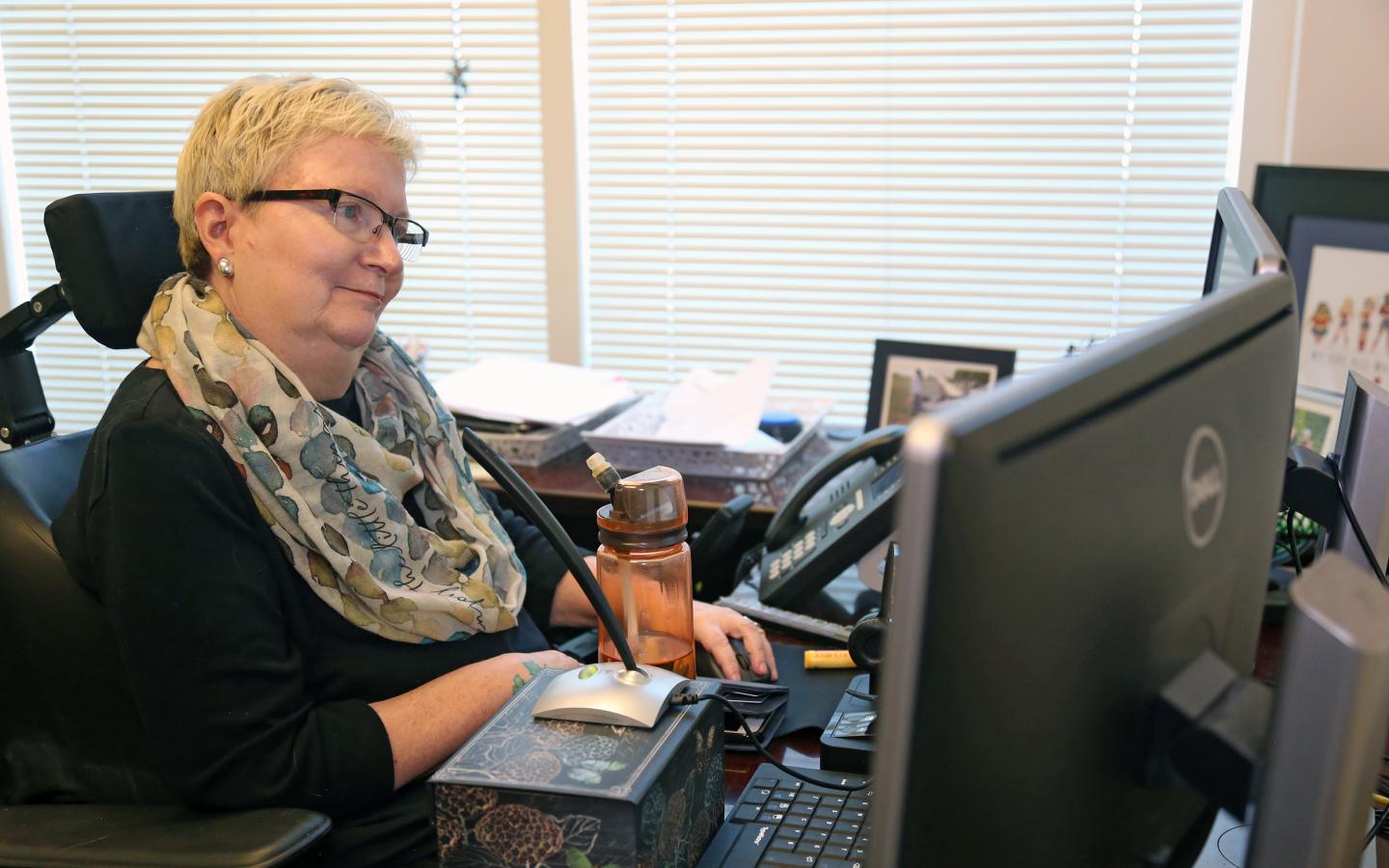
Exploring strategies and practices that enhance wellbeing, job satisfaction and job retention among workers with disabilities
The contents of this web page were developed under a grant from the National Institute on Disability, Independent Living, and Rehabilitation Research (NIDILRR grant number 90IFRE0105). NIDILRR is a Center within the Administration for Community Living (ACL), Department of Health and Human Services (HHS). The contents of this web page do not necessarily represent the policy of NIDILRR, ACL, or HHS, and you should not assume endorsement by the Federal Government.