
Cornell University mobile logo

CAROW on Care Work

Care work makes almost all other work possible. By caring for young children, the elderly, those in need of medical care, and people with disabilities, care workers are vital to the economy and the individuals they support.  

Growing demand for childcare and home care in the US is reaching crisis levels. Although crucial to the economy, care workers are often invisible, undervalued, and marginalized. The majority of care workers in the US are women of color, many of whom are immigrants, who face poor and precarious working conditions and low wages.

Researchers at ILR are shining a light on this often-overlooked workforce to better understand how to improve working conditions, empower workers, and improve outcomes for patients, children, families, and the vulnerable.

Job Quality and Wellbeing in Veterinarian Workplaces

The Center for Applied Research on Work (CAROW) at Cornell University is supporting research to better understand how to improve job quality and wellbeing for workers in veterinarian workplaces. We are interested in learning about your experience and invite you to participate in a short survey. As a Thank You, you will receive access to a free self-paced virtual training program, valued at more than $5,000
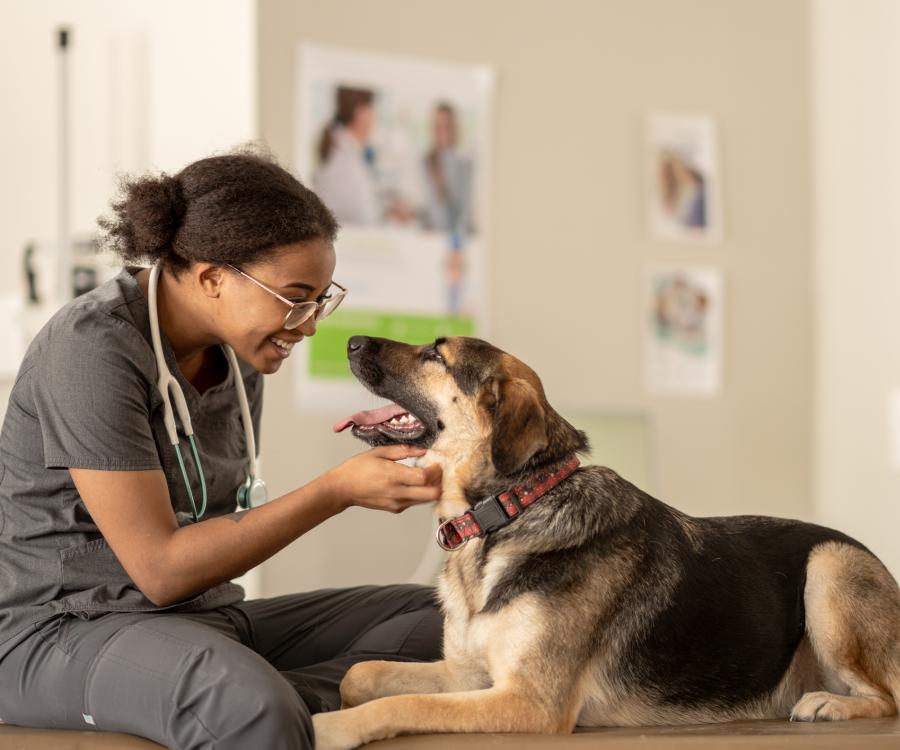
Vet with Dog
Learn More

"These attacks are serious, but so are we": ILR's Worker Institute Hosts Third Care Convening

On June 5th and 6th, Cornell ILR’s Worker Institute hosted its third Future of Care Work Convening in New York City.
Group of approximately 50 people posing for a group shot and smiling
"These attacks are serious, but so are we": ILR's Worker Institute Hosts Third Care Convening

Work-Life Balance & Disability: Care Needs

The Yang-Tan Institute on Employment and Disability (YTI) and the Worker Institute are expanding how care workers and care recipients have traditionally been studied, to look at how they overlap and influence each other’s employability.
Diverse work team posing for photo
Work-Life Balance & Disability: Care Needs

Armed with heart failure training, tech, home health aides deliver better care, study finds

A heart failure pilot study conducted by Dr. Madeline Sterling and Margaret McDonald found that providing home health aides with heart failure specific training and supportive technology increases their confidence and skills, improves patient outcomes, and helps integrate them more fully into the care team.
training
Armed with heart failure training, tech, home health aides deliver better care, study finds

The Realities of Paid Caregiving in the United States

Dr. Madeline Sterling and Maya Levinson explain that aging in place depends on paid caregivers who provide essential medical and daily living support. They warn that worsening policies, low pay, and difficult working conditions are driving caregivers away, creating a crisis that could leave many without the care they need.
HHA and Patient
The Realities of Paid Caregiving in the United States

Making Work Work

Making Work Work: Quality Work and Quality Care to Support Labor Market Participation and Retention of Care Workers and Care Recipients, is a new collaboration between The Yang-Tan Institute on Employment and Disability and The Worker Institute.
Photo of desk with laptop in front of window with shade drawn
Making Work Work

Government Shutdown can Result in Home Health Agencies Losing Telehealth Flexibilities

Home Health Care News
Within the context of a government shutdown, home health agencies are at risk of losing telehealth flexibilities that have become critical to care delivery. Dr. Madeline Sterling warns that without new legislation, the US faces a “telehealth policy cliff” as current flexibilities risk expiring.
home health care news logo large
Government Shutdown can Result in Home Health Agencies Losing Telehealth Flexibilities