
Work-Life Balance & Disability: Care Needs
The Yang-Tan Institute’s 2014 national study about the work-life balance of adults with disabilities considered experiences in employment and in other life domains such as family, leisure, and self-care. This research provided insights into the varied roles and responsibilities of people with disabilities, on and off the job.
Although people with disabilities have historically been viewed primarily as care recipients, the Work-Life Balance & Disability Study suggests that they are often care givers. Thirty percent of study participants had children under age 18 living at home, and they spoke of caring for children, coordinating services such as tutoring, and other caregiving tasks. Some participants talked about ways that they help family members and friends.
Participants also commented on the importance of care assistance in helping them maintain employment. One participant stated, “I hire others to work for me as home health aides, and I work with them to make sure my personal needs are met and I can successfully meet the demands of a full-time job”. A high percentage of care workers have disabilities that may impact their ability to access and maintain their jobs.1
Currently, YTI and the Worker Institute are collaborating on a new study that explores the experiences of home care workers with disabilities or chronic health conditions and how care workers and care recipients influence each other’s employability. The care worker/care recipient relationship can be “like family” and include social support and leisure companionship, all of which can impact work-life balance. Recruitment for phase one focus groups with care recipients has begun. For eligibility requirements and additional information please contact bcg54@cornell.edu.
Photo credit:.shock
- 1
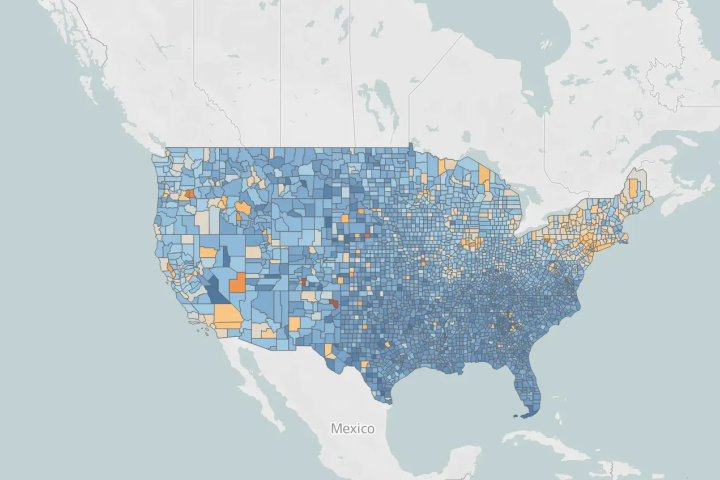
According to analysis of the American Community Survey (ACS), the disability prevalence rate among home health and personal care aides is 12.8%, much higher than the 7.1% prevalence rate among all employed persons (W. Erickson, personal communication, October 31, 2024, based on analysis of 2022 ACS PUMS data)