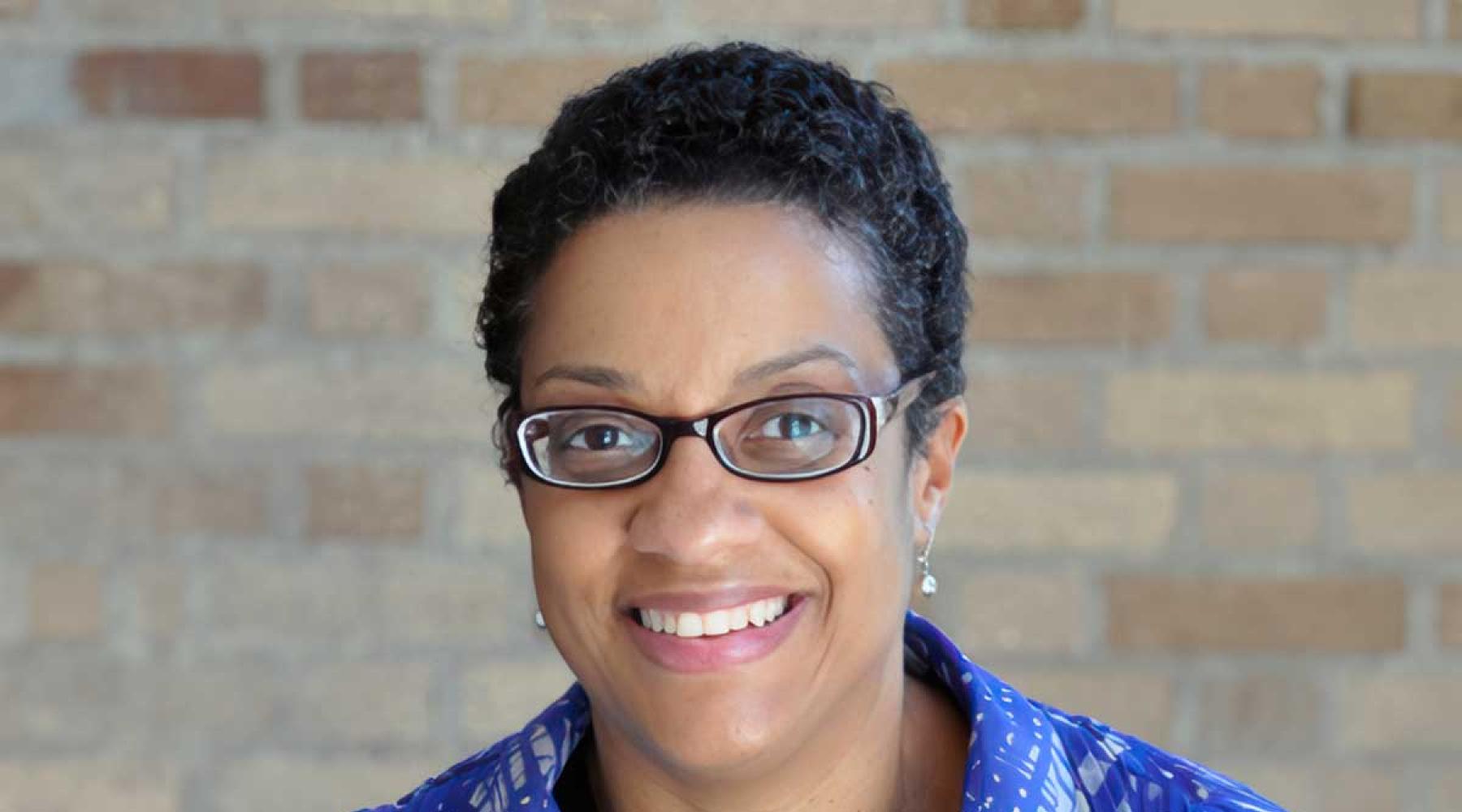
A Career about Disability, Work and Leisure: LaWanda Cook
As a senior extension associate at ILR’s Yang-Tan Institute on Employment and Disability, LaWanda Cook has focused holistically on the work life of individuals with disabilities, expanding scholarship in areas such as recreation and care giving, and exploring how disability intersects with other social identities along several dimensions.
As an instructor, she has taught the Intersectional Disability Studies course to Cornell students and provided training and guidance to thousands of people through grant-funded and state-funded projects, including the Northeast ADA Center and Y-Reconnects.
Before Cook’s retirement last month, she found time to answer a few questions about her career and legacy.
You have an undergraduate degree in rehabilitation services, an M.S. in human resource management and a Ph.D. in recreation, sport and tourism. What motivated your study in those areas?
As a person with lifelong disability, work has been an important way for me to show what I can do and to connect with other people.
I completed an undergraduate degree in rehabilitation services because I wanted to help others experience these powerful benefits of employment. Graduate studies in HR helped me to better understand employers’ needs and expectations.
This education prepared me to assist job seekers to secure meaningful employment when I worked as a vocational counselor and supervisor in the Public Vocational Rehabilitation (VR) program. However, no matter how good the job match, some people were reluctant to have their VR cases closed because their jobs did not give them everything they hoped for – especially when it came to social inclusion. These clients didn’t just need help finding work; they needed help creating fuller lives. This realization, along with a personal passion for play and its value in my own life, led to my dissertation research on disability, leisure and work-life balance.
Leisure activities and the relationships gained through participation can help workers maintain a sense of balance despite the stresses of work and life, including ableism management – no matter their employment situation. And a sense of balance supports job retention.
What have you enjoyed about your work at Cornell?
I am impressed by the commitment and expertise of my colleagues and have learned so much here.
I have enjoyed the chance to teach and do research that acknowledges workers as more than employees; questions definitions of work, success, and independence; and considers how leisure and work can enhance the lives of people with disabilities, older workers and justice-impacted youth and young adults.
I also enjoyed co-creating and co-teaching the ILR School’s Intersectional Disability Studies course, which helps students understand that people with disabilities also have other identities, that disability is a social construct; that ableism undergirds all other types of oppression, which position some groups of people as more deserving than other groups; and that these de/valuations affect daily life.
I am grateful to have established a thematic strand of YTI research about employee well-being and for the opportunity to do research on other emerging issues.
What are some of the more important or interesting findings from your research about employee well-being?
Research on work-life balance revealed that workers with disabilities experience workplace maltreatment and bullying more often than nondisabled workers.
My research on workplace wellness suggests that employer-sponsored resources are often not designed to be inclusive of employees with different types of disabilities and that employees may lack the time and transportation needed to participate.
My research with older healthcare workers indicated how ageism and disability influence their workplace experiences and retirement decisions, and our work with justice-impacted youth and young adults demonstrated a need for better cross-systems collaboration and increased understanding of various types of disabilities and rights and responsibilities under the Americans with Disabilities Act.
Projects that involved working directly with leisure programmers to create inclusive fitness programs and to improve the accessibility of outdoor recreation sites have meant a lot to me, too.
I am especially excited about our current research at YTI on care workers and care recipients with disabilities. This project was my idea. It came from hearing stories from friends and colleagues in the disability community who rely on care worker assistance. I was asked to be the principal investigator, but I chose not to.
There is a lot of research about employment rates and workplace experiences of people with disabilities; there is much less about what it takes for some disabled people to work. Little is known about how relying on home care services influences employment, and virtually no research exists about how a care worker’s own disabilities may affect their work and life. Our study is unique in its findings and will address these gaps in the literature.
You won the Thomas P. Golden Employee Recognition Award in 2022. What did that mean to you?
It was an honor to receive the Thomas P. Golden award, which recognizes innovation, collaboration and mentorship. Identifying emerging needs, partnering with colleagues and community stakeholders to learn about and address important issues, and supporting others’ professional development have been integral to my career, and I am grateful for this indication that my efforts have made a difference.
What’s on your retirement “things to do” list?
I am looking forward to traveling and spending lots of time with my nieces and nephews. Recently, there have been two new additions; playtime with them is the best! I want to learn to play the ukulele and am considering starting a travel-focused YouTube channel with one of my especially adventurous nieces!
What are your thoughts about your career and legacy?
Many people with my disability have difficulty communicating, and some experience intellectual deficits and other barriers to full inclusion. Since childhood, I have felt a responsibility to use the voice and opportunities I have to improve the lives of people with disabilities and members of other marginalized groups.
Work and leisure are not opposites; both contribute to identity, skill development and a sense of belonging. And disability does not negate the presence of abilities; it is simply part of the human condition.