Cooling Investments in Apparel Factories Can Pay for Themselves
Investing in cooling for Bangladesh’s apparel factories can be commercially viable, with an average payback period of one to four years, according to new research from Cornell University’s Global Labor Institute (GLI).
“Everything is constantly changing and costs are rising,” said Jason Judd, executive director of GLI, during an eCornell Keynote presenting the research. “But we know that heat stress levels in general are rising, while factory earnings may be up or down, while the fashion industry as a whole is flat or falling. We calculated two different scenarios – the headwind scenario and the worst-case scenario. Across all these factories and all these variables, the payback period for cooling solutions was one to four years.”
For the report, “Six Seasons, Four Summers: How to Solve Fashion’s High Heat Problem,” the team of researchers used unique datasets from eight Dhaka-region apparel factories and three dozen workers’ homes to calculate the costs of high heat stress in 2025 and estimate the returns on cooling investments.
The findings show that in 2025, Dhaka experienced a seven-month heat stress season, with the authors noting it as “the new norm,” with factory heat stress consistently exceeding outdoor levels.
Researchers found the greatest exposure in the cutting and ironing and finishing sections, where workers spent a substantial share of their working time during the hottest months in the ‘caution,’ ‘high’ and ‘severe’ heat stress zones.
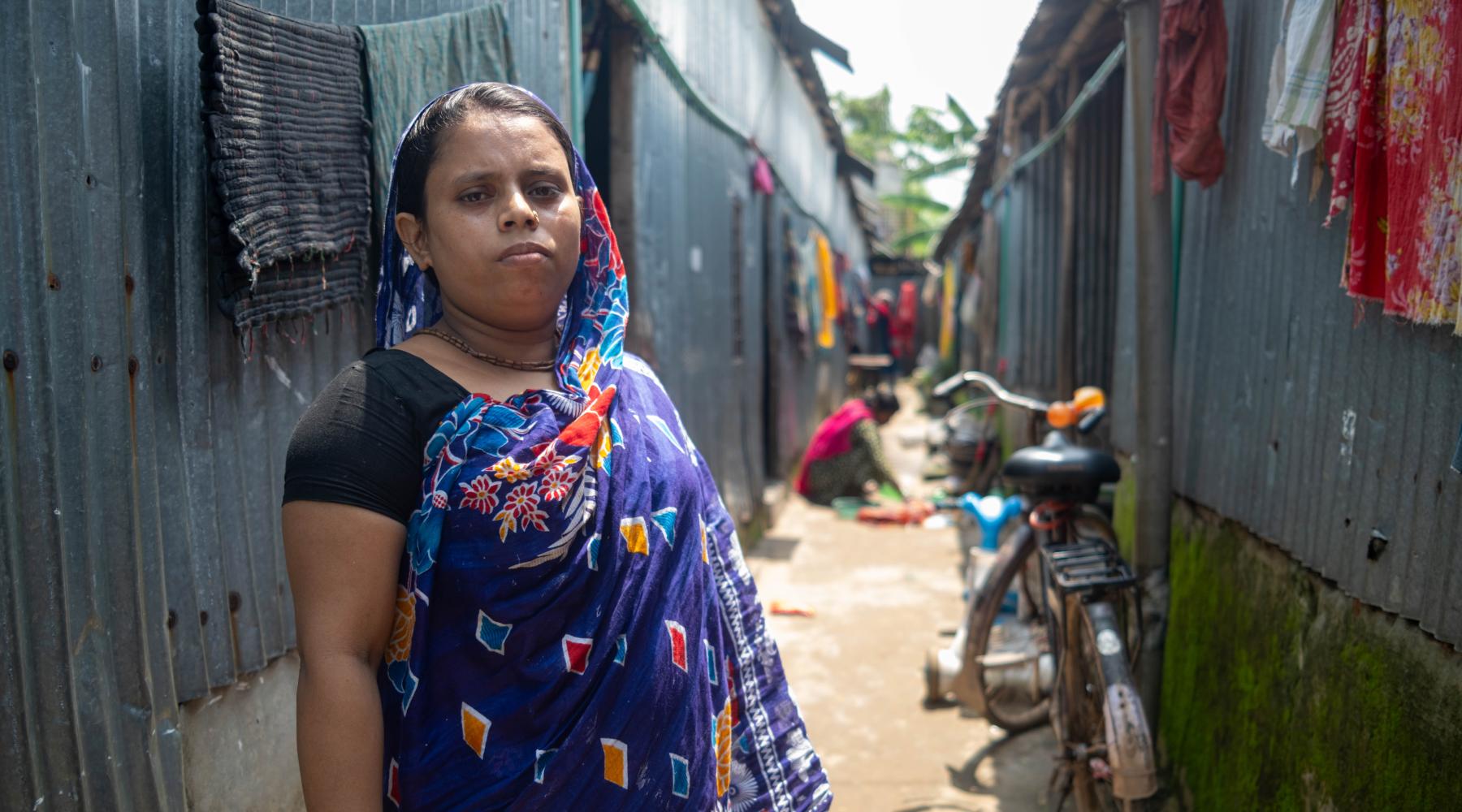
Unfortunately, the workers found little relief outside the factory, as researchers found that most workers also experience rising heat stress at home, limiting recovery time. Hotter homes also drive up electricity, medicine and other household costs, with surveys finding that workers reported borrowing money, pawning belongings or cutting spending to afford fans, electricity and healthcare during the hottest months.
“Wages are, along with the engineering solutions, amongst the most important technologies available,” Judd said. “Living wages would allow workers to invest in electricity for their homes, for efficient fans, for the medicines that help power them through these hot months, and perhaps most importantly, for homes that help them escape the worst of the high heat stress season.”
The authors call for greater coordination among brands, manufacturers, governments and international institutions to address extreme heat in apparel workplaces and share the costs of adaptation.