
It's an investment in CHRO succession readiness.
THIS ISN'T ANOTHER ONLINE CREDENTIAL.
We prepare senior HR leaders for one of the most complex executive roles in business today. Developed by Cornell ILR and co-sponsored by the National Academy of Human Resources, the program combines Cornell research with the perspectives of sitting CHROs, CEOs, and board directors. The curriculum is continually refreshed to address the issues shaping today's CHRO agenda. Participants learn alongside a carefully selected cohort of senior HR leaders preparing for broader enterprise leadership and future CHRO responsibilities.
Program starts in November 2026. Inquire below for more information.
For nominations or questions regarding the program
Contact
Karen Siewert
Director, ILR Senior Leader Programs
Cornell University ILR School
kts47@cornell.edu
Understand what the top HR role really asks of you, and where to focus to get ready. You'll work through the issues a CHRO handles now — AI, succession, board dynamics — with a curriculum we rebuild each year around emerging challenges. Reflection, practical assignments, and real scenarios turn those insights into sharper judgment you can use in your current role right away. For your organization, that means a stronger internal successor, benefit felt well before any title changes, and a clearer path when the seat opens.
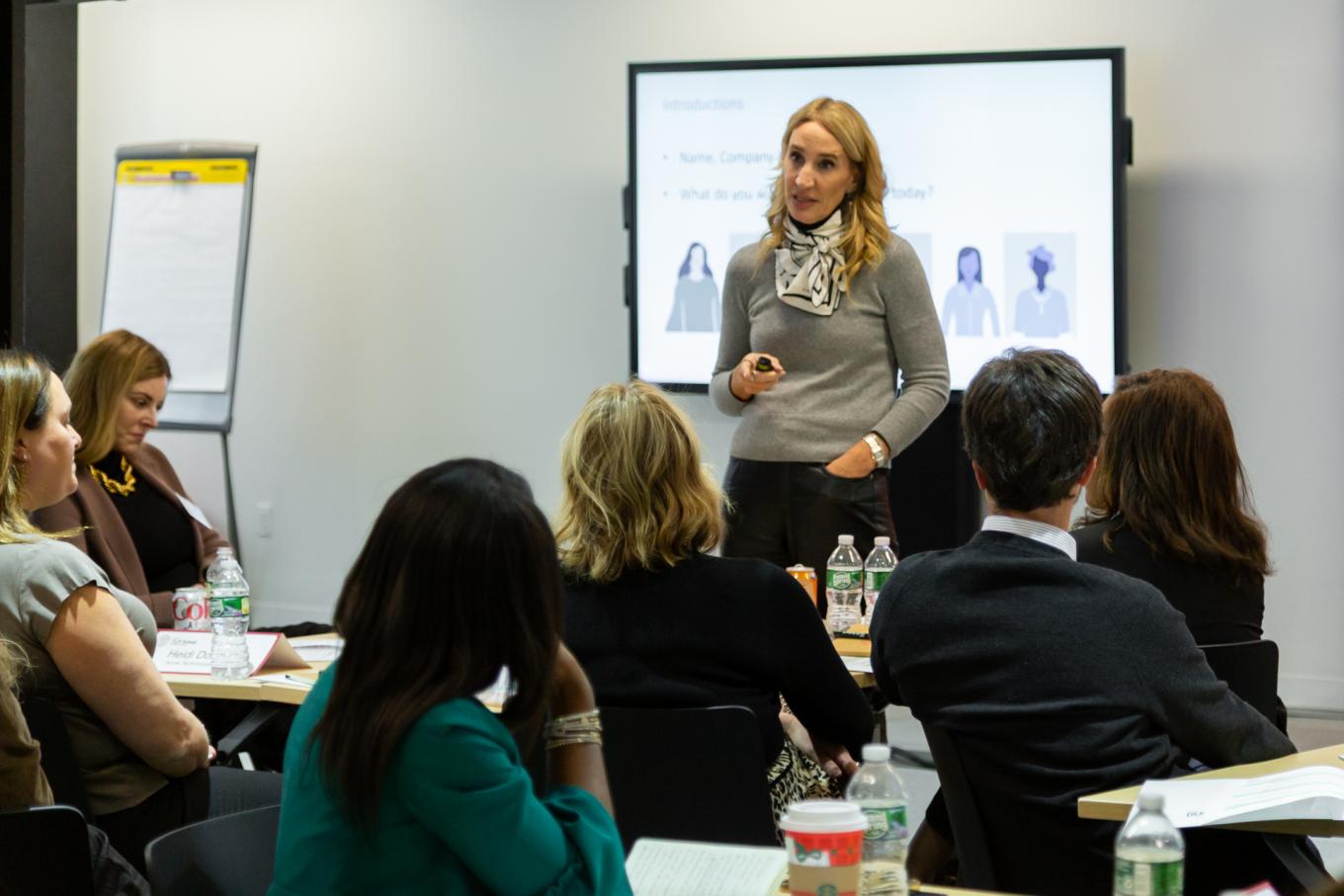
Learn from Leaders Who've Done the Job.
Sitting and former CHROs, CEOs, board members, and NAHR Fellows share how they navigated the hard calls, the tradeoffs, and leadership moments that define successful CHROs. You'll hear directly from the executives who hire, evaluate, and partner with CHROs, offering perspectives on the expectations and realities of the role from every angle. Through candid, off-the-record dialogue, you gain insight into decisions and pressures rarely discussed in public. These conversations are grounded in research from the world’s leading school dedicated to work, employment, and HR. You also join a small cohort admitted by application and executive sponsorship — peers and sponsors worth knowing as succession decisions take shape.
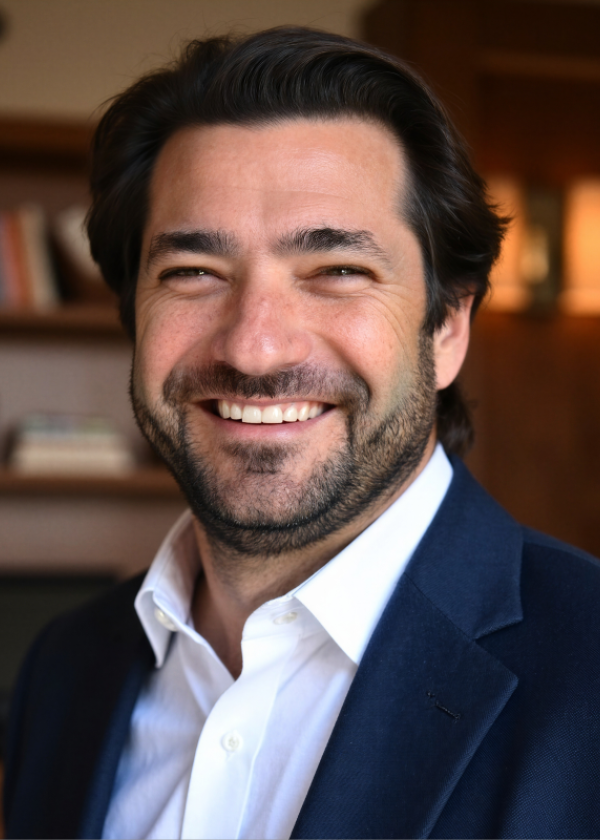
Backed by the National Academy of Human Resources and Cornell

The National Academy of Human Resources — the profession’s most distinguished body of HR leaders — co-sponsors the program alongside the Cornell ILR School. That backing gives your preparation credibility with the CEOs and board directors who weigh succession decisions, and gives your organization confidence in the preparation you are receiving.
Explore the decisions that define the CHRO role.
You'll examine the issues a CHRO owns — the same ones that keep an organization's leadership strong:
- CEO succession, board governance, and C-suite dynamics
- Executive compensation, talent strategy, and senior leadership decisions
- Technology and AI-enabled transformation, workforce strategy, and human-AI collaboration
- Enterprise strategy, organizational effectiveness, and operating model redesign
- Culture, performance, and enterprise risk
- Leading through ambiguity, competing stakeholder priorities, and high-stakes decisions