Healthcare Insights: A First Union Contract for 500 Attending Physicians in Delaware
By John August
Attending physicians continued to make labor history over the summer of 2026. The 500 private-sector acute care specialists who practice at ChristianaCare in Wilmington, DE ratified their first collective bargaining agreement on June 21, 2026. The contract was ratified by 97% in favor, with 2/3 of the bargaining unit participating in the vote to ratify.
The contract covers the largest group of private sector acute care specialists to have organized a union in the nation. The bargaining unit is composed of surgeons, interventionists in cardiology and pulmonology, radiology, endocrinology, hospitalists, emergency room, OB/GYN, and more.
The physicians are represented by Doctors Council SEIU, the oldest and largest union of attending physicians in the nation with groups in New York, Chicago, Minnesota, Pennsylvania, and New Jersey.
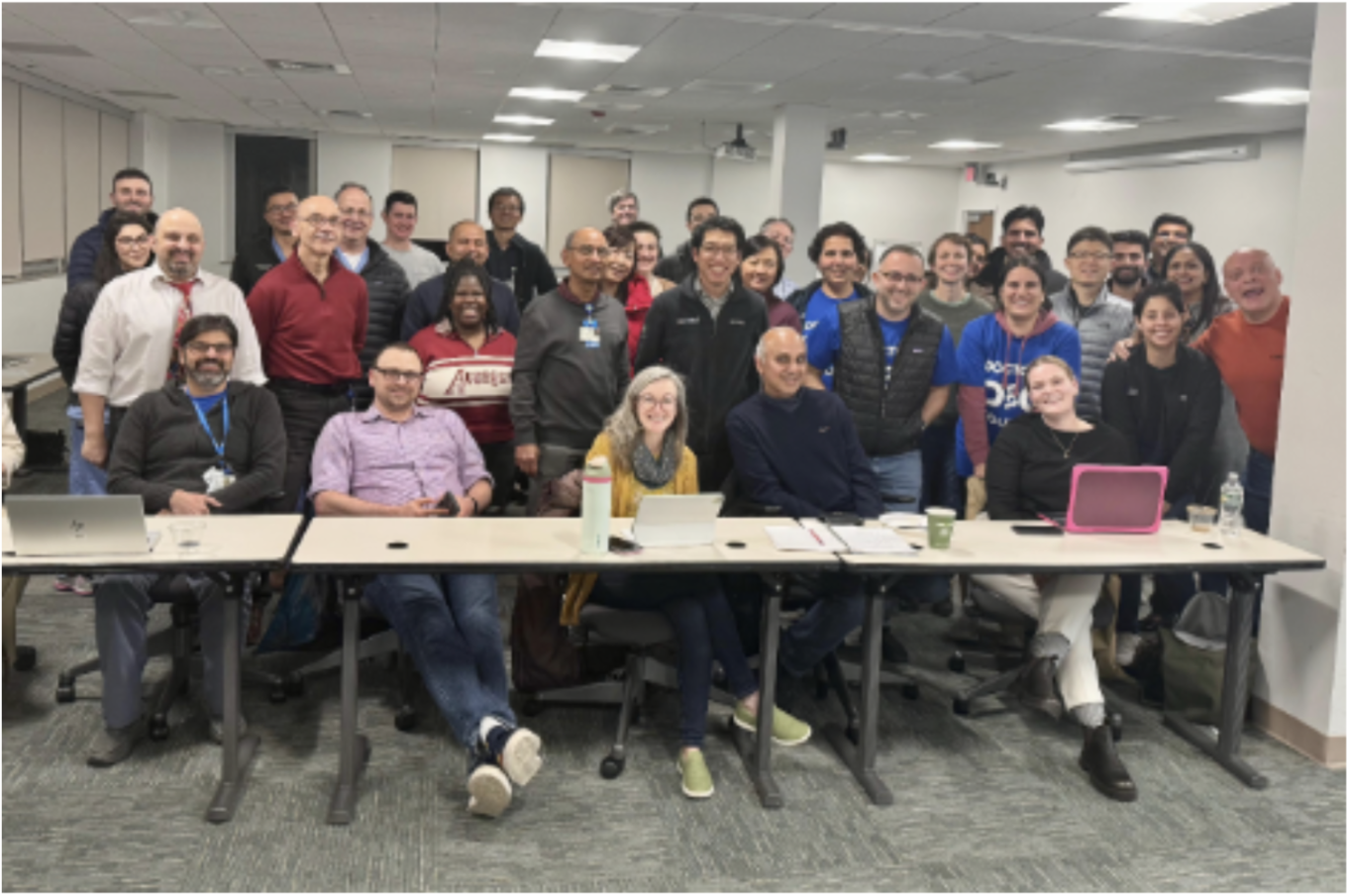
I covered the unionization process in an article in this column in June, 2024.
The physicians reached out to Doctors Council in January 2024, and won an NLRB secret ballot election in June, 2024 by a 70% margin. Negotiations for the first contract opened in November, 2024.
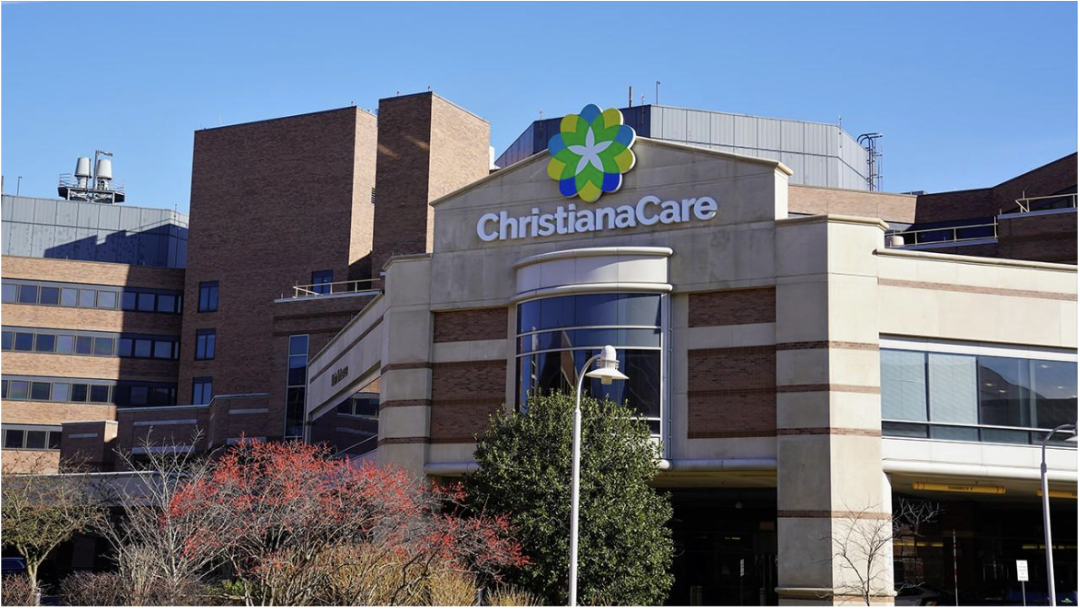
ChristianaCare is headquartered in Wilmington, DE. It is among the largest health systems in the Mid-Atlantic Region with 3 hospitals, 1430 beds, including a Level I Trauma Center and a Level III neonatal intensive care unit. The health system employs 14,000 caregivers, including 300 residents and interns who are part of the system’s academic program.
Only the attending physicians and interns and residents are unionized. As of this writing, the interns and residents are in the process of negotiating their first contract with the Committee of Interns and Residents (CIR), also affiliated with SEIU.
Key advances in the collective bargaining agreement include:
- Just Cause. Arbitrary discipline and at-will employment are eliminated. Management must have verifiable, just cause for any disciplinary action.
- Grievance and Appeals. A legally binding, step-by-step mechanism to dispute employer overreach and legally enforce the language of our contract.
- Robust Labor Management Committees. Regular meetings with leadership to discuss operational issues, staffing concerns, compensation concerns (including Fair Market Value, Relative Value Units), practice issues, and more.
- Representation. Up to 21 physician delegates to help represent and educate the Bargaining Unit.
- Subcontracting protections, including 120-day notice and the opportunity to seek alternatives to subcontracting based exclusively on patient care improvement. In the event of lay off due to subcontracting, doctors are eligible for 5 months’ severance pay.
- Establishes experience tiers for all shift specialties which rewards doctors for year of service
- Enhanced market positions
- Market data updates yearly
- Access to data justifying compensation, hours, and other working conditions, and ability to negotiate potential changes
- Preservation of critical staffing premium
- Continuing Medical Education fund increased from $5000 to $7500 for all physicians. CME coverage includes registration fees, travel, lodging, board certification expenses, and international travel.
- Improved conditions for Lactation space and paid time for nursing mothers.
In order to provide some insights into the significance of the organizing and contract settlement, I had the opportunity to interview one of the key leaders of the effort, Dr. Nisha Gandhi.

Dr. Gandhi grew up in Delaware County, PA in suburban Philadelphia and graduated from Smith College. She is a cardiologist in ChristianaCare’s Department of Cardiology, specializing in advanced heart failure and transplant cardiology. She joined ChristianaCare with more than ten years of clinical practice experience in general cardiology and advanced heart failure caring for patients in inpatient and outpatient settings, most recently at St. Mary Medical Center-Langhorne. She is board-certified in internal medicine, cardiovascular disease, advanced heart failure, and transplant cardiology by the American Board of Internal Medicine.
Dr. Gandhi completed an internal medicine residency and fellowship and earned her medical degree in cardiology at Sidney Kimmel Medical College at Thomas Jefferson University. She completed an advanced heart failure and transplant fellowship at the University of Washington, Seattle.
Dr. Gandhi is a member of the American College of Cardiology, American Society of Echocardiology, Heart Failure Society of America, and the Pennsylvania Medical Society. About her specialty, Dr. Gandhi told me that she is one of four at ChristianaCare and only one out of 1,000 in the entire nation. She shared that many patients who have heart disease suffer from weak heart muscles for which medication is insufficient to be able to maintain necessary heart function. Advanced heart failure is often treated with a heart transplant or surgery to implant a Left Ventricular Assist Device (LVAD). Her role is to monitor, evaluate, and oversee the lifestyle and additional treatments for patients with advanced heart failure.
Dr. Gandhi played key leadership roles in both the organizing of the Union and as a member of the bargaining team throughout the two-year campaign. She was instrumental in helping to reach an agreement and leading the ratification of the collective bargaining agreement by her colleagues.
I asked her what motivated her to become involved in the campaign: “I had significant fear that I would no longer be able to practice medicine the I way I was trained, learning and perfecting my craft. I feared the onset of burnout, something that more and more doctors are facing in today’s healthcare environment”.
She continued, “We are pressured to see as many patients as possible, and due to the complex reimbursement systems for doctors’ services, we have no control as ‘laborers’, while we perform so much additional work that is not reimbursed at all. Management’s failure to be efficient forces the doctors to not be able to find balance in our work.
We had to organize in order to regain some voice and power!”
When I asked Dr. Gandhi what she thought the major accomplishments of the organizing turned out to be, her answer was both surprising and inspiring: “Getting an Agreement and having the Union is the major accomplishment, which far outweighs the specifics and the details which we achieved.” She continued, “We must stand for what we value as doctors, and not allow fear to stand in the way of taking action. We cannot allow the health systems to define our values for us by forcing us to take on more patients than we should. We must have a collective voice to restore a balance in power.”
“We are facing a future of physician shortages due to early retirements caused by burnout. We must organize to change this trajectory. We ourselves have been short staffed for years and recruitment is difficult”.
Dr.Gandhi was quite surprised at how much effort the management relied on regulatory and market concerns related to compensation and hours to be worked, expressing overzealous fear of violations of the so-called “Stark Laws”. These federal laws, named for Rep. Pete Stark (D-CA) were established in the public interest in the 1990’s to prevent fraud and abuse by hospitals and doctors. However, we learned that these laws need not be so heavily relied upon as a factor when it comes to physician compensation and hours of work, and when used in bargaining, this perspective can falsely undermine the need for fair compensation to recruit and retain doctors. It was actually shocking, not so much because we wanted more compensation, but as to the attitude this bargaining strategy engendered. We wanted fairness and transparency for our compensation, and on these issues, we won a total victory”.
Another active member of the bargaining team, Dr. Howard Goldstein, a Urogynecologist, summarized feelings of the doctors when he told me, “my hope is that other doctors in other health systems will learn from our experience, that even though we were just one group on our own, we achieved so much through collective bargaining: rights and protections we never had before like just cause and protections against subcontracting, along with a transparent and enforceable legal contract to protect what we have and continue to bargain for more in the future. It was a total victory”.
From my perspective, the organizing and contract campaign demonstrates that physicians have inherent power to achieve a first contract which as we know is very difficult to do under U.S. labor law and experience. In point of fact, this group of private sector acute care specialists is the only such unionized group east of the Mississippi River. Even with this isolation from others, they achieved so much.
We will stay keenly focused on similar efforts around the country as the dynamics of consolidated systems' power and increased employee status among doctors drive the dynamic of loss of power and voice among the nation’s physicians. I look forward to reporting on this new, highly significant labor activity.