Collective Representation as a Response to Worker Precarity in Logistics, Warehousing and Supply Chains
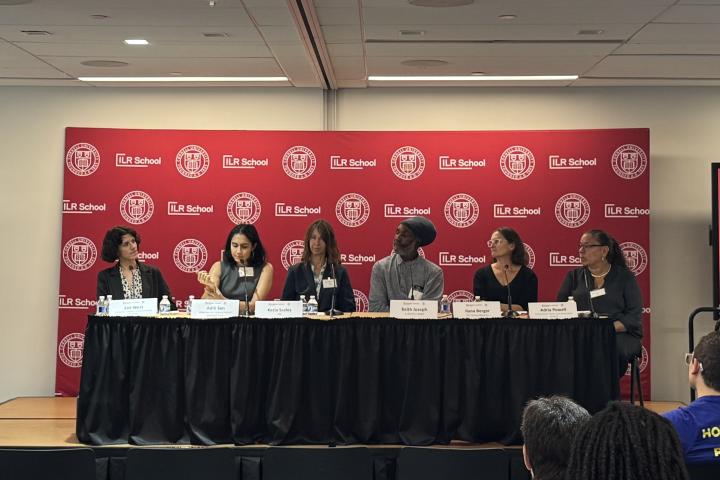
The second webinar in the Cornell ILR Worker Institute's three-part series on collective representation and worker precarity examined how e-commerce, automation, and changing supply chains contribute to worker insecurity in warehousing and logistics, and how collective organizing, legislation, and community solidarity can address these challenges.
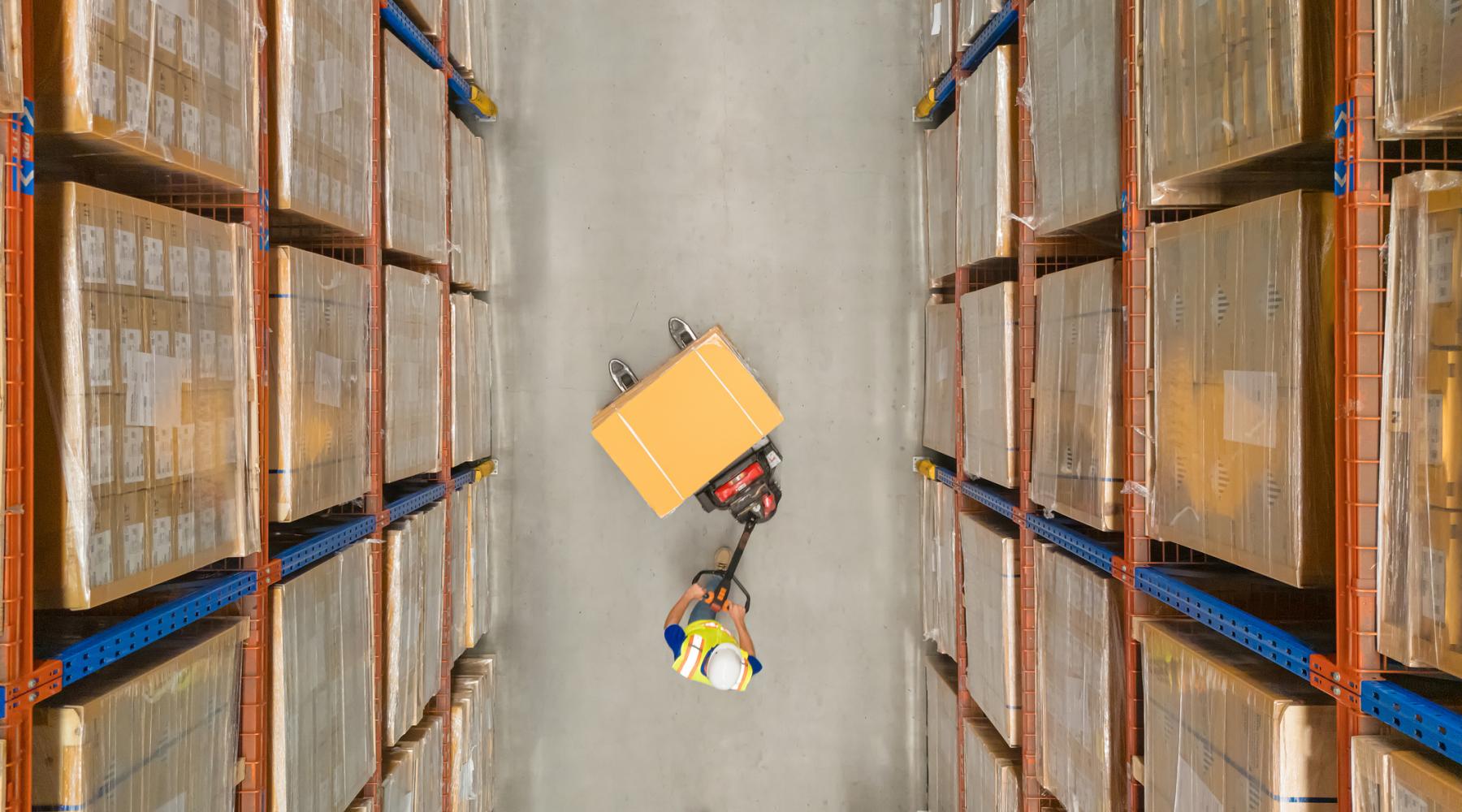
The webinar first brought together Professors Maite Tapia of Michigan State University, and Steve Viscelli of the University of Pennsylvania to discuss how technological, organizational and employment practices contribute to worker insecurity. Tapia framed precarity as both a consequence of unequal employer-worker power relations and a mechanism through which employers maintain control. She traced the erosion of labor protections, which were always unequally distributed, to union decline, neoliberal restructuring, privatization, and employer strategies that prioritize flexibility and shareholder interests over worker security. Amazon warehouses, she argued, resemble the factories of an earlier industrial economy without the protections that once made manufacturing a pathway to economic security. Amazon deliberately deepens this insecurity through unpredictable scheduling, algorithmic surveillance, and the growing automation.
Viscelli situated these developments within the history of transportation labor, explaining how workers historically built union power by organizing critical transportation hubs, where disruptions could affect entire distribution networks. However, deregulation beginning under the Carter administration, alongside technological innovations such as containerization, palletization, and GPS tracking, enabled employers to bypass these hubs and develop cheaper, more flexible supply chains, weakening workers' bargaining power. Yet Amazon's highly interconnected and time-sensitive distribution network has created new points of leverage, suggesting that organizing critical facilities and pursuing targeted regulation could enable workers to exercise power across entire supply chains.
The panel then highlighted the importance of worker-led organizing and collective representation when addressing precarity in the warehousing industries. Featuring Sultana Hussain, Recording Secretary and Director of Coalitions at the Amazon Labor Union (IBT Local 1); Italo Medelios, President of Carolinas Amazonian United for Solidarity and Empowerment; and Jess Kuch, Senior Advisor for The Labor Force, the discussion demonstrated how workers can build collective power to challenge precarious work.
Hussain began by discussing the challenges facing workers at JFK8, the first Amazon warehouse in the United States to win an NLRB certification election in 2022. Despite their victory, the union had not secured recognition and a collective bargaining agreement from Amazon more than four years later. In response, workers have used alternate strategies to build power for themselves in the workplace, including organizing health and safety campaigns and engaging in direct confrontations with Amazon’s management. These efforts address the multiple dimensions of precarity within Amazon’s employment model, from physically demanding work to high turnover and other employment practices that can limit corporate accountability. Collective representation also requires workers to participate in decisions about their own demands through union meetings, summits, and committees that represent different worker groups within the workplace.
Medilios further illustrated how collective action can translate worker demands into tangible improvements. At Amazon’s RDU1 fulfillment center in Garner, North Carolina, workers face challenges including extreme heat, physically demanding shifts, and the financial burdens of a long commute to work. Medelios described how workers partnered with the Amazon Labor Union (or ALU) to petition for fans in the warehouse. Although at first management did not recognize these requests, continued pressure from workers eventually led to the installation of fans, demonstrating how worker-led organizing can produce meaningful changes even when workers lack a formal collective bargaining agreement. Medilios also discussed the growing anxiety over potential job displacement and reduced hours because of the implementation of automation, artificial intelligence in Amazon’s workplace. He argued that democracy in the workplace is essential to challenging these conditions, emphasizing that workers should not have to accept unsafe and unstable employment simply to keep their jobs.
Beyond organizing within individual workplaces, the panel also discussed the importance of building broader networks of solidarity and support. Kuch explained how coworker.org initially provided workers with a platform to petition for changes, including ALU’s responses to unsafe warehouse temperatures. However, over time, these efforts demonstrated the need for more sustained infrastructure that could support workers pursuing unionization and collective organizing. Through The Labor Force, Kuch detailed efforts to raise funds for labor organizations, raising more than $2.3 million through grass roots organizing and additional funds from individual donors. The Labor Force also helps amplify workers' experiences and mobilize public pressure on employers. For example, after news came out that Amazon workers had been instructed to contact the company’s care team rather than 911 when a colleague collapsed, The Labor Force helped mobilize 1.2 million messages to management. Amazon then publicly clarified that workers were permitted to call 911, illustrating how collective action can extend beyond the workplace using public solidarity and organized pressure to demand accountability.
Taken together, the webinar suggested that confronting precarity in warehousing and logistics requires challenging the employment structures and power relationships that produce insecurity while developing collective leverage through workplace democracy, strategic organizing, legislation, and community solidarity. Although e-commerce and automation have intensified worker precarity, the speakers also highlighted how the interconnected logistics system may create new opportunities for workers to shape the conditions under which it operates.