Cornell University mobile logo
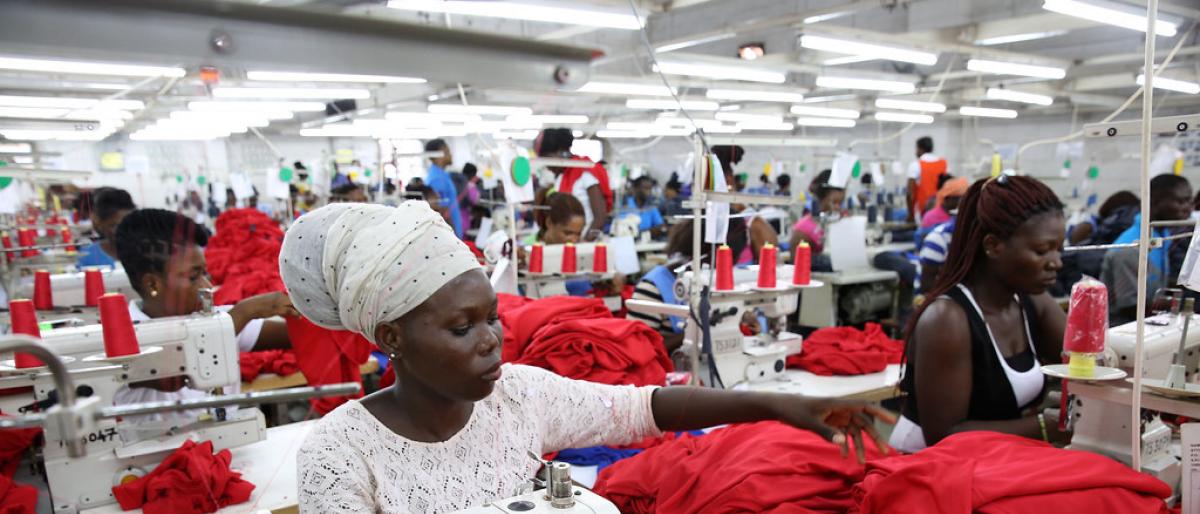
Dignity factory workers producing shirts for overseas clients, in Accra, Ghana

Cooling Before It Got Cool: Case Studies in Heat Adaptation in Southeast Asian Factories

Heat Adaptation in Apparel Factories

A new examination of how apparel factories are adapting to extreme heat while investing in cooling, automation, and climate resilience strategies.

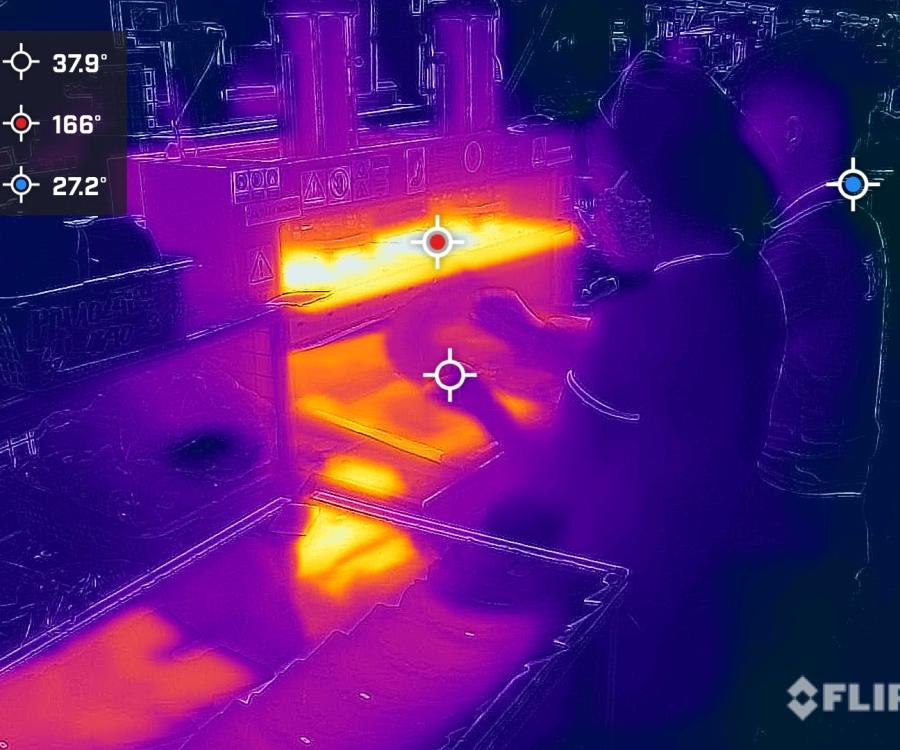
A thermal image of a worker at a station in a garment factory, showing the high heat levels through brighter orange colors at their workstation.
Read more

The Dindigul Agreement to End Gender-based Violence and Harassment

Has It Worked?

This is GLI’s official final assessment of the Dindigul Agreement to End Gender-Based Violence and Harassment at a South Indian apparel factory that could be a model for other factories around the world. 

Large room of garment factory workers
Read more

Global Labor Institute's Climate-Labor Work

GLI Climate-Labor Research

See all of our analyses on the intersection of labor rights and climate change.

GLI climate workers webinar
Read GLI's Climate-Labor Work

Measuring Supply Chain Due Diligence

Labor Outcomes Metrics

Read about the Global Labor Institute's new quantitative metrics that measure labor outcomes—actual impacts for workers.

Workers in Bangladesh
Read more about Measuring Supply Chain Due Diligence

Latest Research and Events

Recent Publication by Sarosh Kuruvilla: Shifting Modes of Labor Regulation in Global Supply Chains

This essay outlines changing modes of regulation of labor conditions in global apparel supply chains, which are concentrated in Asia; assesses the effectiveness of 25 years of private voluntary regulation by global firms; and examines critically the implications of new European regulation now mandating what was previously a voluntary corporate activity.
Sarosh
Recent Publication by Sarosh Kuruvilla: Shifting Modes of Labor Regulation in Global Supply Chains

Event: Higher Ground? Fashion's Climate Breakdown and its Effect for Workers by the Global Labor Institute and Schroders - Organized by Columbia Threadneedle Investments

Please join us at Columbia Threadneedle Investments in London for a presentation on the Higher Ground? reports by the Global Labor Institute and Schroders. Angus Bauer (Schroders) will be joined by Jason Judd (Global Labor Institute) to present the paper, followed by a panel discussion with expert reactions.
Five people crossing polluted stream over narrow bridge.
Event: Higher Ground? Fashion's Climate Breakdown and its Effect for Workers by the Global Labor Institute and Schroders - Organized by Columbia Threadneedle Investments

Global Labor Institute Conference 2024

Will global labor’s spring arrive early, or are we destined for more of the same? The Global Labor Insitute’s 2024 Conference takes place Feb. 2, 2024 - Groundhog Day - in New York City. 
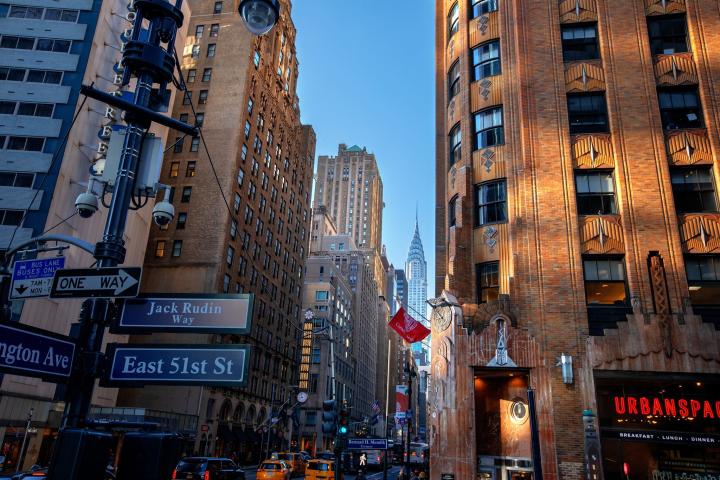
570 Lexington Avenue
Global Labor Institute Conference 2024

"Higher Ground?" In the News

See highlights of coverage for the Higher Ground? reports authored by the Global Labor Institute and Schroders.
Flooded Street
"Higher Ground?" In the News

Webinar: Higher Ground? Fashion's Climate Breakdown and its Effect for Workers

A multi-stakeholder panel discussion about the Global Labor Institute and Schroders' Higher Ground report, which looks at the impact of climate breakdown on apparel producing countries and workers.
Icon
Accessibility text goes here and is required
Webinar: Higher Ground? Fashion's Climate Breakdown and its Effect for Workers

Higher Ground? Fashion’s Climate Breakdown

In partnership with Schroders, we report the impacts of climate change on global apparel production. In our first report, we track climate change impacts at the global, national, and factory levels. Our second report examines company-level climate risk, cost, and financing for adaption and just resilience.
Textile workers in Ho Chi Minh City, Vietnam
Higher Ground? Fashion’s Climate Breakdown

In The News

Media Mentions

Advancing adaptation in Southeast Asia

McKinsey & Company
A 2026 report from ILR’s Global Labor Institute, “Cooling Before It Got Cool: Case Studies in Heat Adaptation in Southeast Asian Factories,” is cited in this article about climate change in Southeast Asia.
Advancing adaptation in Southeast Asia

What Fashion Needs to Know About Climate Tipping Points

Vogue
Research from ILR’s Global Labor Institute says that without basic climate adaptation measures, extreme heat and humidity could significantly disrupt garment production, and cost key manufacturing countries several percentage points of GDP.
What Fashion Needs to Know About Climate Tipping Points

AAFA Releases Heat Stress Guidance to Protect Garment Workers

Yahoo News
Binding agreements, near-term collection of heat-stress data and collaboration over enforcement could make new heat stress guidance from the American Apparel & Footwear Association even more effective at helping garment industry workers cope with heat, says Jason Judd, executive director of ILR’s Global Labor Institute. [Syndicated from Sourcing Journal]
AAFA Releases Heat Stress Guidance to Protect Garment Workers

Progress Over Perfection: Lessons From Garment Factories Fighting Heat Stress

Yahoo News
“The factories that have invested proactively are seeing an ROI beyond straight-up ‘we’re more productive,’” said Sarah Krasley, visiting fellow at ILR’s Global Labor Institute, sharing observations from a recent research trip to Cambodia and Vietnam of garment industry cooling methods for hot weather. [Syndicated from Sourcing Journal]
Progress Over Perfection: Lessons From Garment Factories Fighting Heat Stress

Nike Is Moving Jobs to Low-Wage Regions of Indonesia

Pro Publica
Jason Judd, executive director of ILR’s Global Labor Institute, criticizes Nike’s living wage pledge for falling short on achieving a living wage for workers.
Nike Is Moving Jobs to Low-Wage Regions of Indonesia

2026 Will Be ‘Stress Test’ Year for Garment Worker Rights

Yahoo News
Sarosh Kuruvilla, ILR professor and academic director of the Global Labor Institute, comments on how recent increases in U.S. tariffs have affected progress in improving labor rights for workers. [Syndicated from Sourcing Journal]
2026 Will Be ‘Stress Test’ Year for Garment Worker Rights