


Overview
Download the executive summaryCooling investments in Bangladesh’s apparel factories can be commercially viable, with an average payback period of one to four years, according to new research from Cornell University’s Global Labor Institute.
Read our analysis, built from the ground up and from the inside out. We use our unique data sets from eight Dhaka-region apparel factories and three dozen workers’ homes to calculate the costs of high heat stress in 2025 and estimate the returns on cooling investments.
Research Highlights
Building on GLI’s 2023 "Higher Ground?" reports with Schroders, "Six Seasons, Four Summers" is the first report to quantify both the costs of extreme heat and the financial returns from reducing it in the fashion industry, demonstrating how adaptation measures can simultaneously protect worker health and safety while improving productivity and employer earnings.
The findings show that in 2025, Dhaka experienced a seven-month heat stress season with the authors noting it as ‘the new norm’ and factory heat stress consistently exceeding outdoor temperatures.
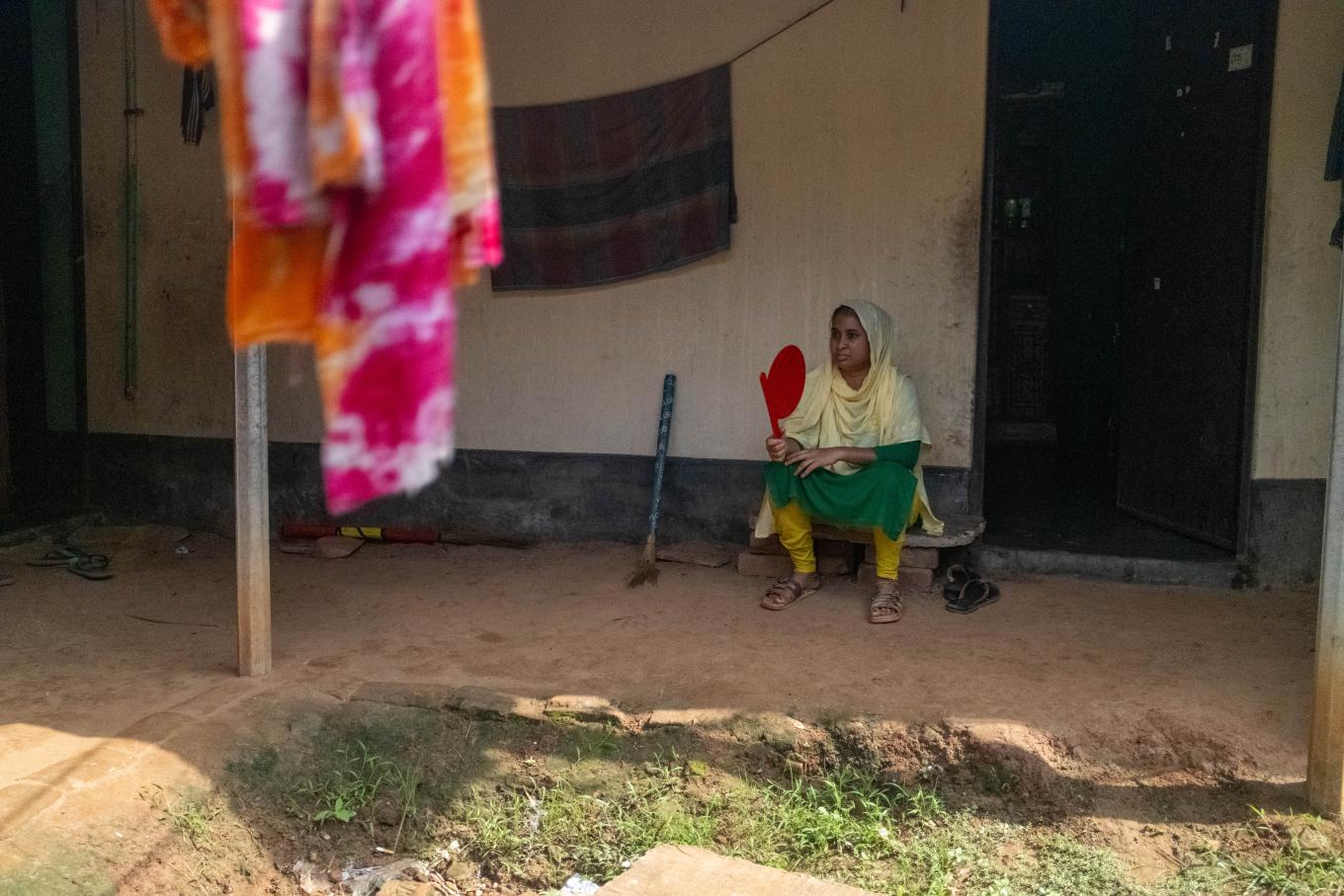
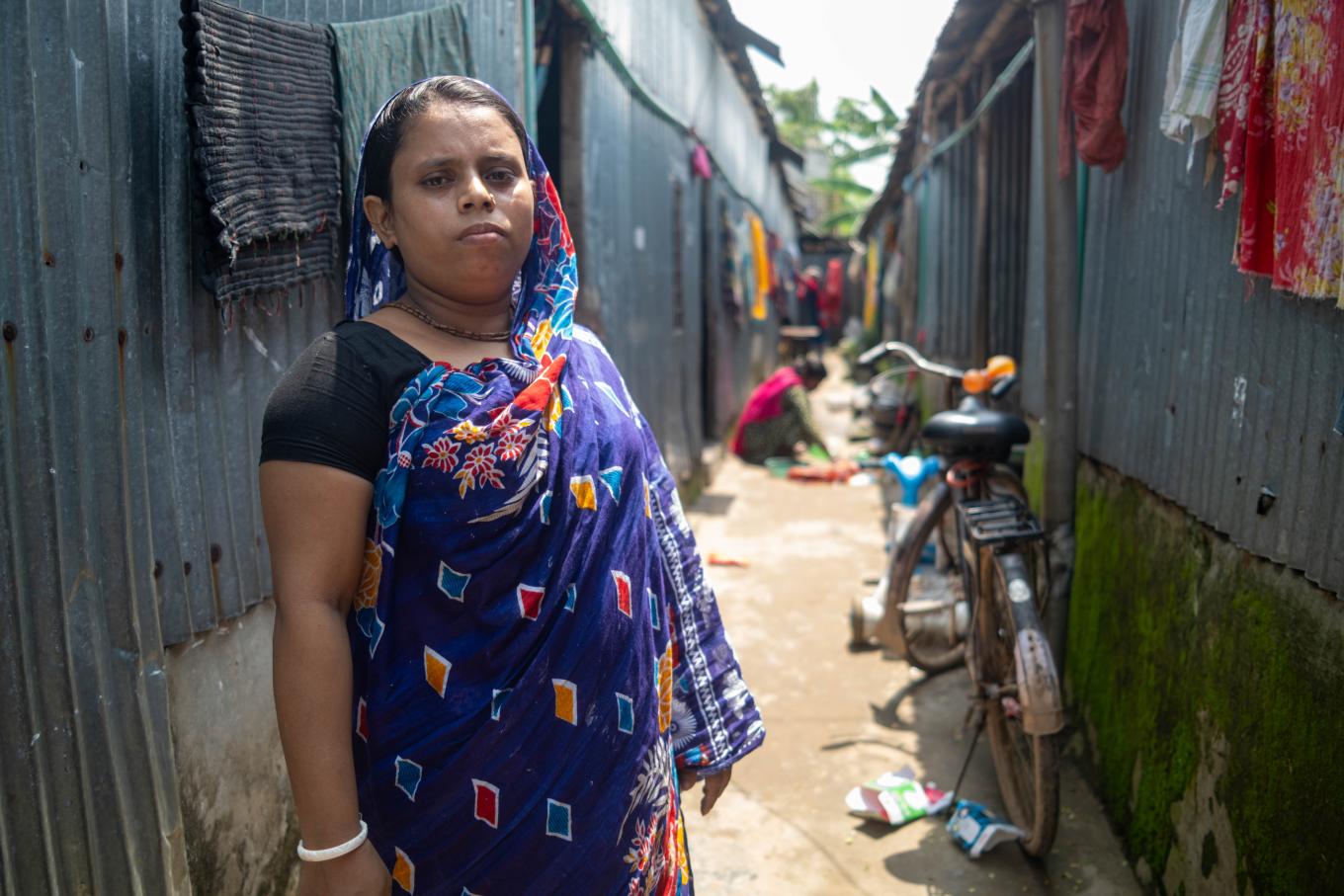
Researchers partnered with BRAC University, YGEN Engineering and the Bangladesh Centre for Worker Solidarity in Dhaka to conduct the first year-long analysis of heat stress both inside garment factories and in workers’ homes.
Findings
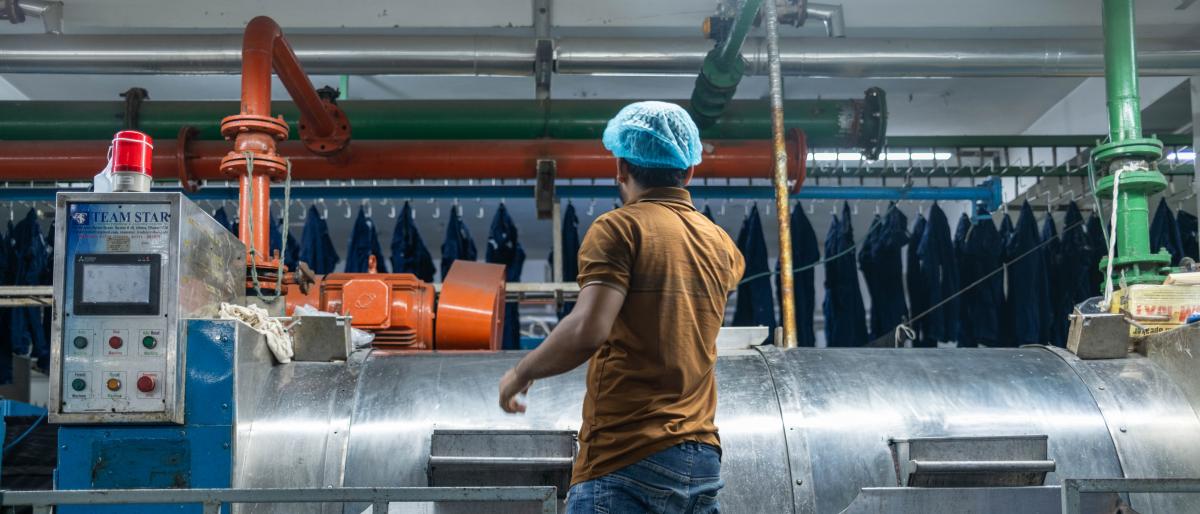
- The research team found the greatest exposure in cutting and ironing / finishing sections, where workers spent all of their working time in the hottest months in ‘caution’ ‘high’ and ‘severe’ heat stress zones. Survey findings also show workers frequently continued working in high heat despite dangerous conditions.
- One participating factory – representative of the small-and-medium-sized factories that make up most of Bangladesh’s apparel industry – lost an estimated 4.1 percent of its annual revenue to high heat stress. Engineering assessments there found that targeted measures including roof insulation, improved ventilation and mechanical cooling systems could substantially reduce heat exposure, delivering a return on investment by improving productivity and protecting workers’ health.
- The investments to cool workers and make factories safe can pay for themselves within one to four years. The business case remains positive under even more conservative assumptions, including higher capital and energy costs and lower productivity gains.