Cornell University mobile logo
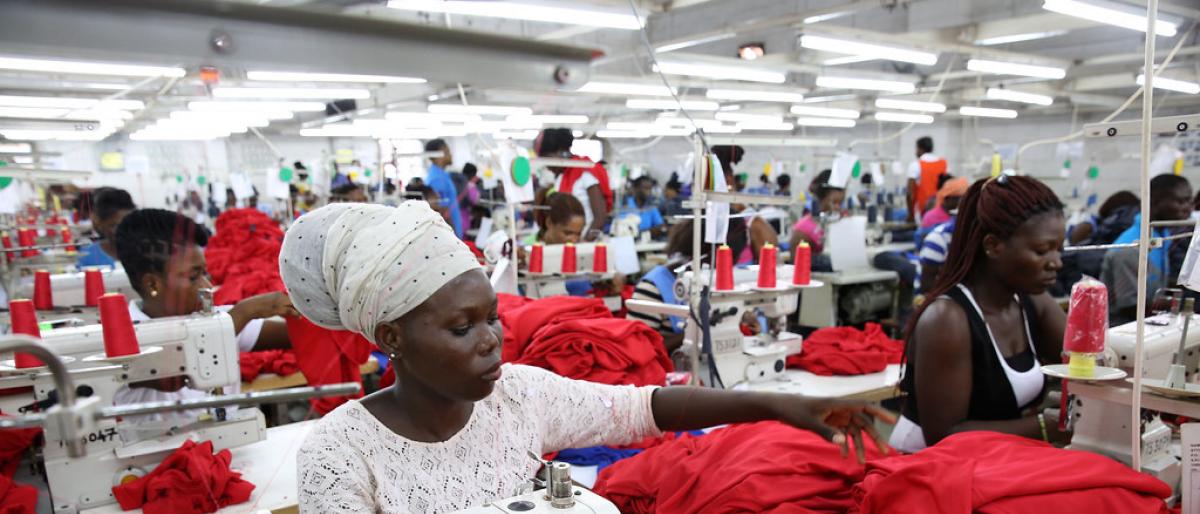
Dignity factory workers producing shirts for overseas clients, in Accra, Ghana

Cooling Before It Got Cool: Case Studies in Heat Adaptation in Southeast Asian Factories

Heat Adaptation in Apparel Factories

A new examination of how apparel factories are adapting to extreme heat while investing in cooling, automation, and climate resilience strategies.

A thermal image of a worker at a station in a garment factory, showing the high heat levels through brighter orange colors at their workstation.
Read more

The Dindigul Agreement to End Gender-based Violence and Harassment

Has It Worked?

This is GLI’s official final assessment of the Dindigul Agreement to End Gender-Based Violence and Harassment at a South Indian apparel factory that could be a model for other factories around the world. 

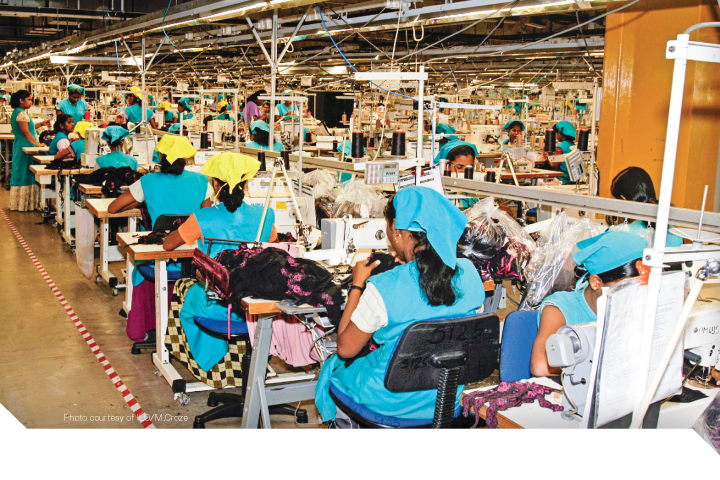
Large room of garment factory workers
Read more

Global Labor Institute's Climate-Labor Work

GLI Climate-Labor Research

See all of our analyses on the intersection of labor rights and climate change.

GLI climate workers webinar
Read GLI's Climate-Labor Work

Measuring Supply Chain Due Diligence

Labor Outcomes Metrics

Read about the Global Labor Institute's new quantitative metrics that measure labor outcomes—actual impacts for workers.

Workers in Bangladesh
Read more about Measuring Supply Chain Due Diligence

Latest Research and Events

AI and the New Informality

GLI Fellows Sarah Krasley and Maria Mexi announce a new AI impacts project: What happens when workers remain employed, but their autonomy narrows day to day? When organizational accountability becomes blurred, professional recognition declines, and the protections that once made employment meaningful begin to thin out?
Illustrations of six data workers, working at computers in isolation from each other. Painted background includes hazy image of cubicles; digital overlay of glass fractures.
AI and the New Informality

"Mitigating Heat Stress in Garment, Footwear, and Travel Goods Sector"

GLI's Jason Judd publishes "Migrating Heat Stress in the Garment, Footwear, and Travel Goods Sector," a new policy brief from GLI and GIZ (Germany) that makes the case for new heat-stress protections for workers in Cambodia’s apparel, footwear and travel goods industries.
Image of bright sunny sky
"Mitigating Heat Stress in Garment, Footwear, and Travel Goods Sector"

The Global Fight against Forced Labor: The U.S. and the EU at the forefront

This policy brief from Visiting Fellows Samira Rafaela and Kelly Fay Rodríguez looks at the EU's Forced Labour Regulation, compares it with legislation in the US, and presents recommendations and solutions to make the FLR more effective.
Women wearing bright colored outfits carry bricks across a short rickety wooden bridge in front of a lightly colored brick wall.
The Global Fight against Forced Labor: The U.S. and the EU at the forefront

22 January 2026 Cornell Southeast Asia Program, Global Labor Institute and Thammasat Business School Bangkok Conference 'Hot Air: What works to combat extreme heat in apparel production in Asia?' Recap

Please enjoy our recap of our 22 January 2026 conference in Bangkok, 'Hot Air: What works to combat extreme heat in apparel production in Asia?'
People sit in a room for a conference behind wooden tables.
22 January 2026 Cornell Southeast Asia Program, Global Labor Institute and Thammasat Business School Bangkok Conference 'Hot Air: What works to combat extreme heat in apparel production in Asia?' Recap

Cooling Before It Got Cool: Case Studies in Heat Adaptation in Southeast Asian Factories

A new examination of how apparel factories are adapting to extreme heat while investing in cooling, automation, and climate resilience strategies.
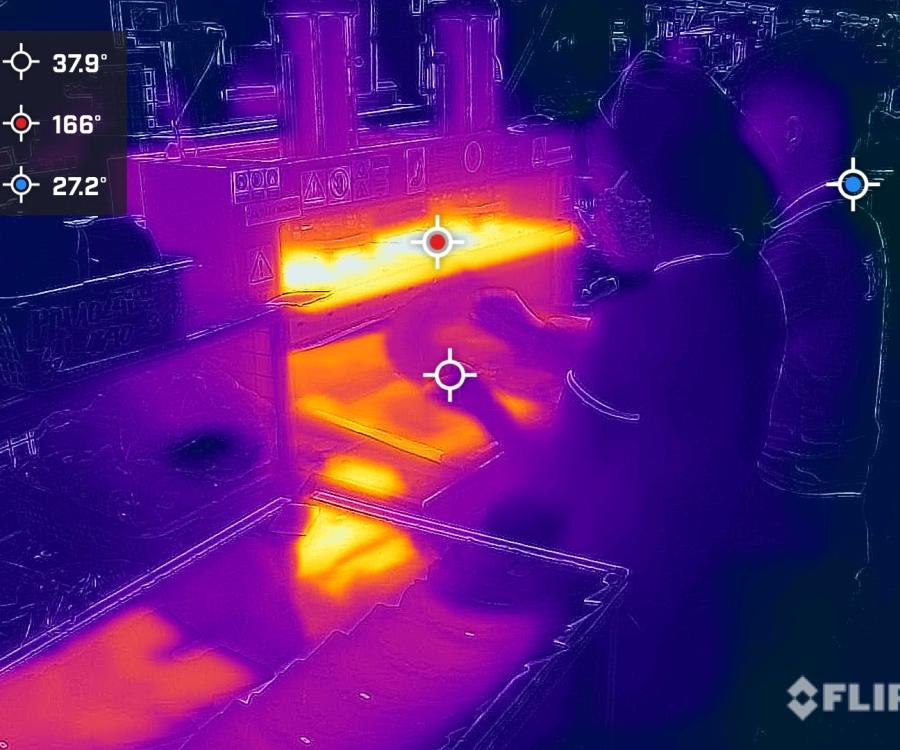
A thermal image of a worker at a station in a garment factory, showing the high heat levels through brighter orange colors at their workstation.
Cooling Before It Got Cool: Case Studies in Heat Adaptation in Southeast Asian Factories

Falling behind: Minimum wage-setting in Sri Lanka’s apparel industry

In this GLI Policy Brief, we provide an analysis of the government’s wage-setting process and changes in the minimum wage’s value and purchasing power over the last 15 years.
Front page of a GLI policy brief. It says "GLI Policy Brief | December 2025 Falling behind: Minimum wage-setting in Sri Lanka’s apparel industry, By Jason Judd, Avi Hossain and Brian Wakamo" with an image of Sri Lanka garment workers at the top of the page and the ILR Global Labor Institute and Cornell University logos at the bottom of the page.
Falling behind: Minimum wage-setting in Sri Lanka’s apparel industry

In The News

Media Mentions

Advancing adaptation in Southeast Asia

McKinsey & Company
A 2026 report from ILR’s Global Labor Institute, “Cooling Before It Got Cool: Case Studies in Heat Adaptation in Southeast Asian Factories,” is cited in this article about climate change in Southeast Asia.
Advancing adaptation in Southeast Asia

What Fashion Needs to Know About Climate Tipping Points

Vogue
Research from ILR’s Global Labor Institute says that without basic climate adaptation measures, extreme heat and humidity could significantly disrupt garment production, and cost key manufacturing countries several percentage points of GDP.
What Fashion Needs to Know About Climate Tipping Points

AAFA Releases Heat Stress Guidance to Protect Garment Workers

Yahoo News
Binding agreements, near-term collection of heat-stress data and collaboration over enforcement could make new heat stress guidance from the American Apparel & Footwear Association even more effective at helping garment industry workers cope with heat, says Jason Judd, executive director of ILR’s Global Labor Institute. [Syndicated from Sourcing Journal]
AAFA Releases Heat Stress Guidance to Protect Garment Workers

Progress Over Perfection: Lessons From Garment Factories Fighting Heat Stress

Yahoo News
“The factories that have invested proactively are seeing an ROI beyond straight-up ‘we’re more productive,’” said Sarah Krasley, visiting fellow at ILR’s Global Labor Institute, sharing observations from a recent research trip to Cambodia and Vietnam of garment industry cooling methods for hot weather. [Syndicated from Sourcing Journal]
Progress Over Perfection: Lessons From Garment Factories Fighting Heat Stress

Nike Is Moving Jobs to Low-Wage Regions of Indonesia

Pro Publica
Jason Judd, executive director of ILR’s Global Labor Institute, criticizes Nike’s living wage pledge for falling short on achieving a living wage for workers.
Nike Is Moving Jobs to Low-Wage Regions of Indonesia

2026 Will Be ‘Stress Test’ Year for Garment Worker Rights

Yahoo News
Sarosh Kuruvilla, ILR professor and academic director of the Global Labor Institute, comments on how recent increases in U.S. tariffs have affected progress in improving labor rights for workers. [Syndicated from Sourcing Journal]
2026 Will Be ‘Stress Test’ Year for Garment Worker Rights