TPS We Are Home Report
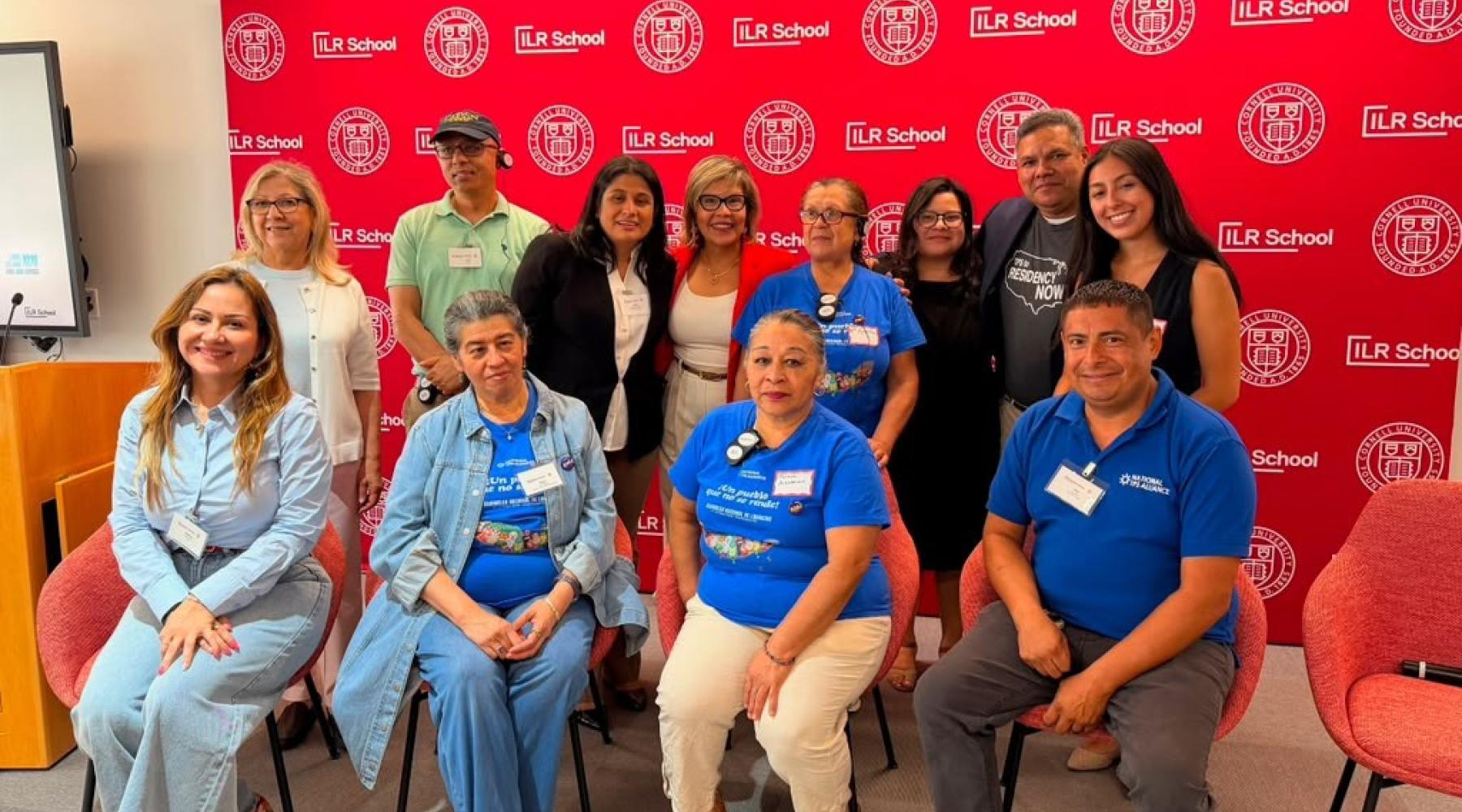
On a recent June morning, workers with TPS from El Salvador, Honduras, Nepal, Venezuela and worker representatives from unions like 32BJ SEIU, 1199SEIU, Local 1010 LIUNA, Long Island Jobs with Justice, Adhikaar, the NYC CLC, the Catholic Dioceses of Newark and members of the National TPS gathered at the NYS conference center of the ILR School, to share their stories of belonging during the unveiling of ILR’s Worker Institute report on the experiences of workers with Temporary Protective Status (TPS).
The report entitled We Are Home; TPS Workers Belong Here, written by Patricia Campos-Medina and Natalia Navas, examines the experiences of Central American TPS workers in New York state and finds these TPS holders overwhelmingly view New York and the United States as their home. Participants in the study described strong attachments to their communities, adherence to American values, and pride in their economic contributions. Their experiences support previous research demonstrating that long-term TPS holders have developed deep social, economic, and civic ties to American society.
Today, nearly 1.6 million immigrant workers hold TPS or related temporary protections, including approximately 300,000 Central Americans who have maintained legal status for 25–30 years. Recent federal immigration enforcement policies and efforts to terminate the TPS legal status of countless immigrants of color, including 300,000 Haitians and 600,000 Venezuelans, 60,000 Hondurans and 6000 Syrians, threatens to further increase the exploitation of low-wage immigrant workers in key industries such as healthcare, construction and logistic services.
Approximately 270,000 Salvadorans are anxiously expecting the upcoming decision of the current administration to end or renew their status. Their status is set to expire in September of 2026. Salvadorans TPS workers were the first group to be granted TPS status by an act of Congress in 1990 after the courts of the time ruled this population of workers was discriminated against during their asylum application process in the 1980s. The original designation expired and was followed by DED (Deferred Enforced Departure) and in 2001, following devastating earthquakes in El Salvador, the US Government redesignated Salvadorans for TPS protection. In total, Salvadorans have been legally living and working in the US for the last to 25-30 years.
The consequences of ending TPS extend beyond individual families. The potential loss of legal status creates the risk of family separation and places significant emotional and psychological stress on children, more than 270,000 US born citizen children, who depend on their parents for economic and social stability.
Additionally, TPS workers are employed in essential industries, including healthcare, construction, logistics, and service sectors. Removing legal work authorization from long-term workers would disrupt local economies, increase labor shortages, and heighten the vulnerability of immigrant workers to workplace exploitation.
As policymakers consider the future of TPS, the experiences of Central American workers, the population who has held this designation the longest, highlights the need for durable immigration solutions that recognize their role of workers with TPS in the nation's economic and social fabric.
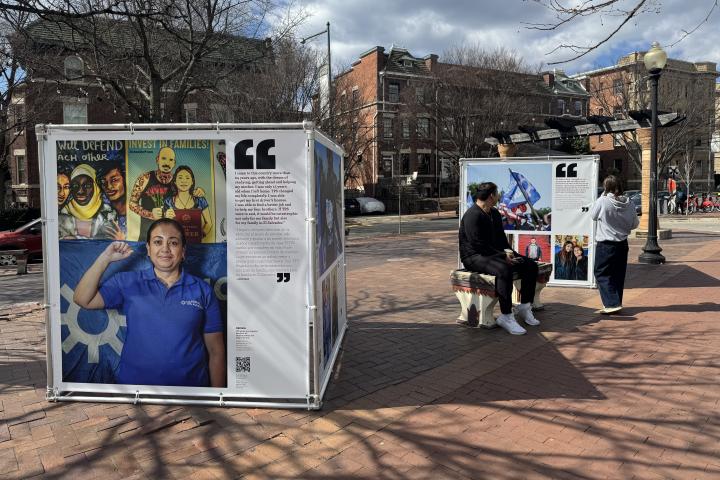
"This is my home." — is the recurring message shared by TPS workers across this research report and the Stories of Belonging project at the ILR School's Worker Institute.
Watch the full report launch in English here:
Watch the full report launch in Spanish here: