Cornell University mobile logo
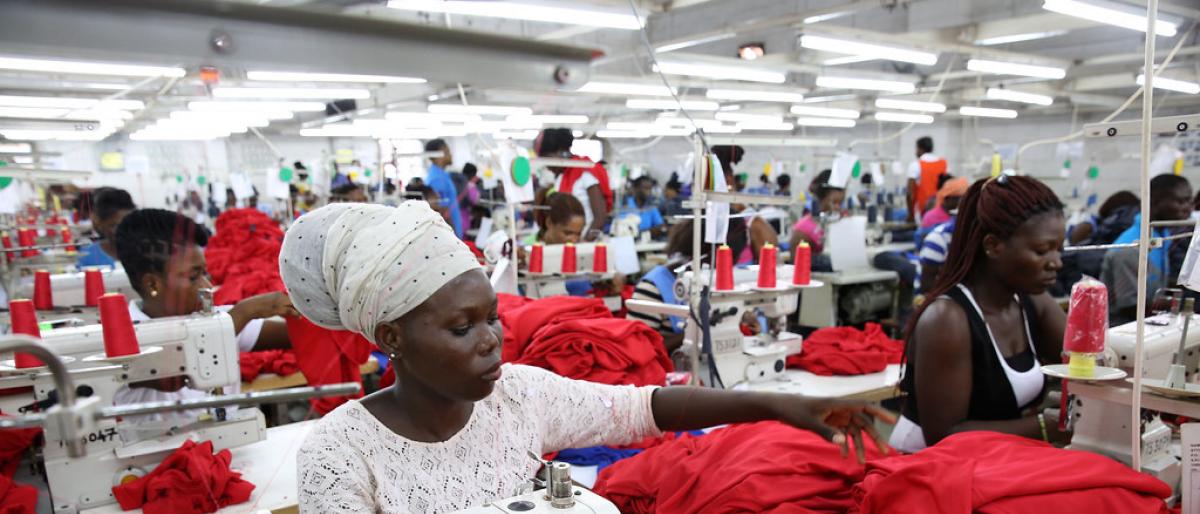
Dignity factory workers producing shirts for overseas clients, in Accra, Ghana

Cooling Before It Got Cool: Case Studies in Heat Adaptation in Southeast Asian Factories

Heat Adaptation in Apparel Factories

A new examination of how apparel factories are adapting to extreme heat while investing in cooling, automation, and climate resilience strategies.

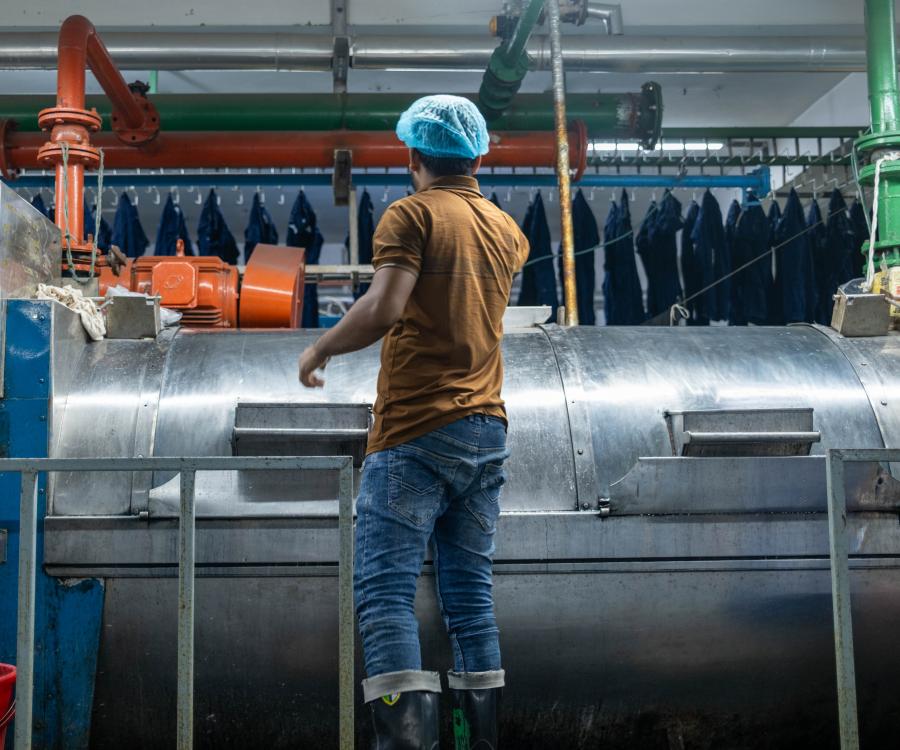
A thermal image of a worker at a station in a garment factory, showing the high heat levels through brighter orange colors at their workstation.
Read more

The Dindigul Agreement to End Gender-based Violence and Harassment

Has It Worked?

This is GLI’s official final assessment of the Dindigul Agreement to End Gender-Based Violence and Harassment at a South Indian apparel factory that could be a model for other factories around the world. 

Large room of garment factory workers
Read more

Global Labor Institute's Climate-Labor Work

GLI Climate-Labor Research

See all of our analyses on the intersection of labor rights and climate change.

GLI climate workers webinar
Read GLI's Climate-Labor Work

Measuring Supply Chain Due Diligence

Labor Outcomes Metrics

Read about the Global Labor Institute's new quantitative metrics that measure labor outcomes—actual impacts for workers.

Workers in Bangladesh
Read more about Measuring Supply Chain Due Diligence

Latest Research and Events

Business of Fashion Op-Ed: 'Fashion’s Business Model Isn’t Fit for Climate Change'

This op-ed by Jason Judd and Sarosh Kuruvilla explores how the business model of fashion is failing to meet the complex problems posed by climate change.
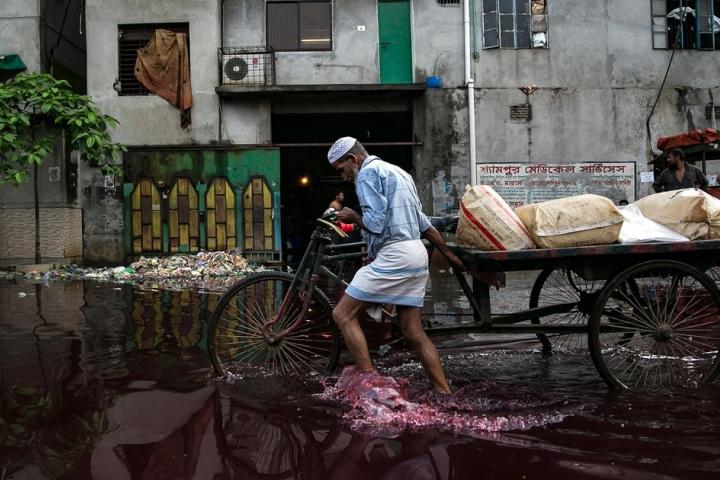
A man walks through rain and dye outside a dyeing factory in Bangladesh. (Getty)
Business of Fashion Op-Ed: 'Fashion’s Business Model Isn’t Fit for Climate Change'

Many Lessons, Difficult Path to Solutions

A new working paper by the Global Labor Institute delves into the lessons learned by the apparel industry during the COVID-19 pandemic and explores how to better handle future crises.
garment workers in a factory
Many Lessons, Difficult Path to Solutions

Global Apparel Supply Chain Factory Workers Walk When Wage Codes Are Violated

Research from Professor Sarosh Kuruvilla shows that factory workers in the global apparel supply chain are more likely to quit over low wages than other poor working conditions.
Garmet workers sewing in a factory
Global Apparel Supply Chain Factory Workers Walk When Wage Codes Are Violated

Corporate Codes of Conduct and Labour Turnover in Global Apparel Supply Chains

Research on private regulation of labour issues in global supply chains has focused extensively on whether supplier factories comply with the codes of conduct of global companies. Less is known about how such compliance relates to the preferences and behaviours of workers at export factories.
Colored Bolts of Fabric
Corporate Codes of Conduct and Labour Turnover in Global Apparel Supply Chains

Announcing the Global Labor Institute

NCP is now the Global Labor Institute at the Cornell University School of Industrial and Labor Relations.
GLI Logo
Announcing the Global Labor Institute

Ship Detained After ILR/ILO Workshop on Labor Abuse Among Fishers

A recent training by the ILO, in collaboration with Cornell’s New Conversations Project, has resulted in the South African government detaining a foreign-flagged fishing vessel suspected of engaging in labor abuses.
Jason Judd (left) on the docks with a member of the South African Maritime Authority
Ship Detained After ILR/ILO Workshop on Labor Abuse Among Fishers

In The News

Media Mentions

Resilient Threads: Weaving A Climate-Ready, Regenerative Future for Cotton in India

Observer Research Foundation
A study by ILR’s Global Labor Institute is cited in a discussion about climate change causing problems for the cotton supply chain used by Asia’s fashion sector.
Resilient Threads: Weaving A Climate-Ready, Regenerative Future for Cotton in India

Jason Judd wants the apparel industry to take heat stress very seriously

Big Closets Small Planet Podcast
The garment industry can mitigate health problems and production slowdowns caused by heat stress, but will it? In this podcast episode, Jason Judd, executive director of the ILR Global Labor Institute, shares a nuanced look at climate change adaptation in the garment industry.
Jason Judd wants the apparel industry to take heat stress very seriously

Commentary: How Chinese imports are skirting Trump’s tariffs

Yahoo News
Jason Judd, executive director of the Global Labor Institute, explains that Chinese companies are avoiding Trump tariffs because they are increasingly building their own production facilities outside of China.
Commentary: How Chinese imports are skirting Trump’s tariffs

This week in Trumponomics: The looming import shortage

Yahoo News
Once current inventories are gone, the rest of 2025 could be rocky. “Our perspective in terms of how this will affect manufacturers and workers is that we’ll see a replay of the initial COVID shock,” said Jason Judd, executive director of the Global Labor Institute.
This week in Trumponomics: The looming import shortage

Nike Repeatedly Raised Concerns About Repression in Cambodia. It Expanded Its Factory Workforce There Anyway.

Pro Publica
Brands increasing their orders from Cambodia while raising concerns about labor rights are “obviously mixed messages,” Jason Judd said. “And one message, the purchase order, has a lot more weight than the other. Until those are credibly threatened, the government has no reason to act.”
Nike Repeatedly Raised Concerns About Repression in Cambodia. It Expanded Its Factory Workforce There Anyway.

How Trump’s tariffs could affect Nike and its factory workers

Pro Publica
Jason Judd, executive director of the Global Labor Institute, discusses the impact of tariffs on Nike's workers.
How Trump’s tariffs could affect Nike and its factory workers