Cornell University mobile logo
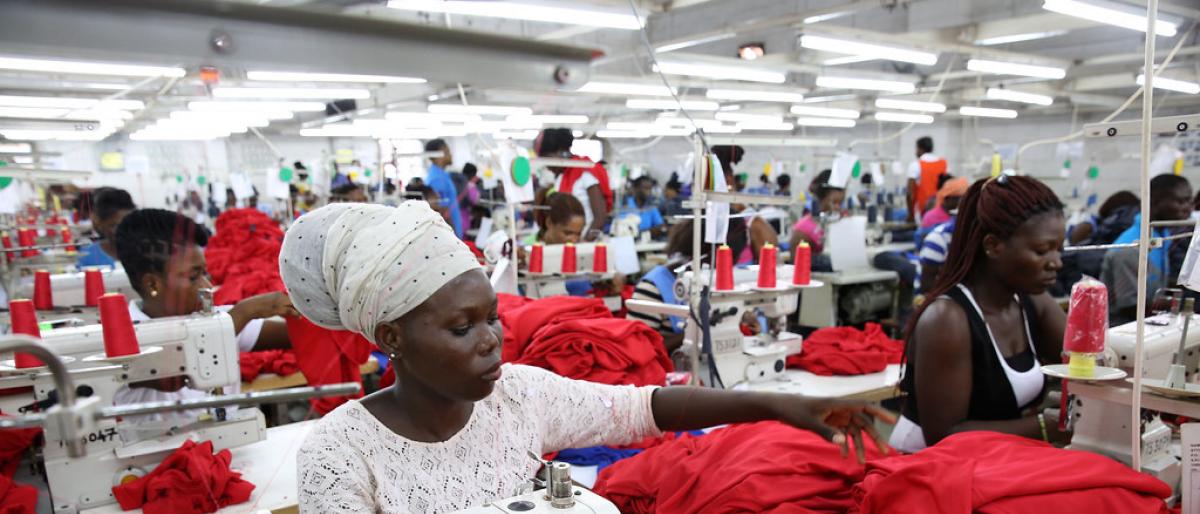
Dignity factory workers producing shirts for overseas clients, in Accra, Ghana

Hot Air: What works to combat extreme heat in apparel production in Asia?

Join us in Bangkok, Thailand at Thammasat Business School as we present new analyses and responses to heat’s impacts for workers, manufacturers, apparel brands and governments in South and Southeast Asia.
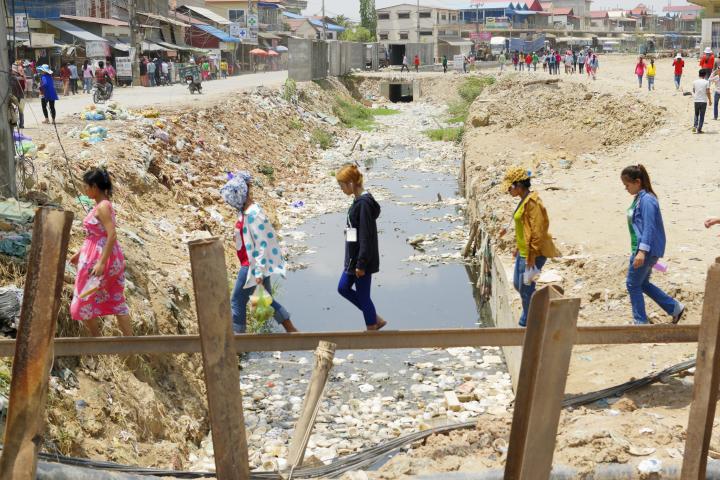
Workers walking across a precarious bridge over scant water
Hot Air: What works to combat extreme heat in apparel production in Asia?

The Dindigul Agreement to End Gender-based Violence and Harassment

Has It Worked?

This is GLI’s official final assessment of the Dindigul Agreement to End Gender-Based Violence and Harassment at a South Indian apparel factory that could be a model for other factories around the world. 

Large room of garment factory workers
Read more

Warming to the Idea? Labor Governance and Extreme Heat in Apparel Production

Impacts of Climate Change on Global Apparel Production

How have weather conditions already started to affect the apparel industry and how should the industry adapt? This policy brief builds upon past GLI research and our report co-produced with the IFC and the ILO's Better Work program to present new findings on the impacts of extreme heat and the adaptation responses from employers, workers, their governments and buyers in the global apparel and footwear industry. See our new research here.

Cambodian workers are seen in a local footwear manufacturing plant, with containers of materials in multiple colors sitting in front of workers wearing bandanas and many wearing masks as well.
Read the full report

Measuring Supply Chain Due Diligence

Labor Outcomes Metrics

Read about the Global Labor Institute's new quantitative metrics that measure labor outcomes—actual impacts for workers.

Workers in Bangladesh
Read more about Measuring Supply Chain Due Diligence

Latest Research and Events

Recent Publication by Sarosh Kuruvilla: Shifting Modes of Labor Regulation in Global Supply Chains

This essay outlines changing modes of regulation of labor conditions in global apparel supply chains, which are concentrated in Asia; assesses the effectiveness of 25 years of private voluntary regulation by global firms; and examines critically the implications of new European regulation now mandating what was previously a voluntary corporate activity.
Sarosh
Recent Publication by Sarosh Kuruvilla: Shifting Modes of Labor Regulation in Global Supply Chains

Event: Higher Ground? Fashion's Climate Breakdown and its Effect for Workers by the Global Labor Institute and Schroders - Organized by Columbia Threadneedle Investments

Please join us at Columbia Threadneedle Investments in London for a presentation on the Higher Ground? reports by the Global Labor Institute and Schroders. Angus Bauer (Schroders) will be joined by Jason Judd (Global Labor Institute) to present the paper, followed by a panel discussion with expert reactions.
Five people crossing polluted stream over narrow bridge.
Event: Higher Ground? Fashion's Climate Breakdown and its Effect for Workers by the Global Labor Institute and Schroders - Organized by Columbia Threadneedle Investments

Global Labor Institute Conference 2024

Will global labor’s spring arrive early, or are we destined for more of the same? The Global Labor Insitute’s 2024 Conference takes place Feb. 2, 2024 - Groundhog Day - in New York City. 
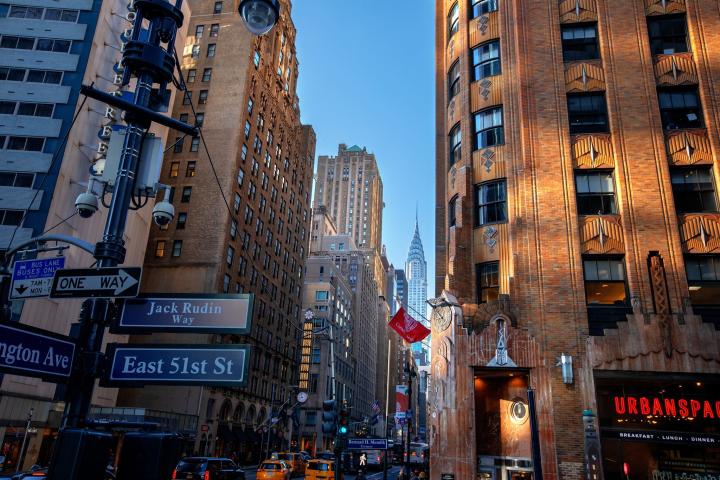
570 Lexington Avenue
Global Labor Institute Conference 2024

Higher Ground? In the News

See highlights of coverage for the Higher Ground? reports authored by the Global Labor Institute and Schroders.
Flooded Street
Higher Ground? In the News

Webinar: Higher Ground? Fashion's Climate Breakdown and its Effect for Workers

A multi-stakeholder panel discussion about the Global Labor Institute and Schroders' Higher Ground report, which looks at the impact of climate breakdown on apparel producing countries and workers.
Icon
Accessibility text goes here and is required
Webinar: Higher Ground? Fashion's Climate Breakdown and its Effect for Workers

Higher Ground? Fashion’s Climate Breakdown

In partnership with Schroders, we report the impacts of climate change on global apparel production. In our first report, we track climate change impacts at the global, national, and factory levels. Our second report examines company-level climate risk, cost, and financing for adaption and just resilience.
Textile workers in Ho Chi Minh City, Vietnam
Higher Ground? Fashion’s Climate Breakdown

In The News

Media Mentions

2030 is Nearly Here. Can Fashion Still Make Good on Its Climate Promises?

Yahoo News
“This is not a technical problem but a political one” said Jason Judd, executive director of the Global Labor Institute, about the fashion industry’s progress with adapting to climate change.
2030 is Nearly Here. Can Fashion Still Make Good on Its Climate Promises?

The COP30 Deal Won’t Solve Fashion’s Climate Problems

The Business of Fashion News
Jason Judd, executive director of the Global Labor Institute, recommends that the fashion industry should “get their act together” with regard to heat and climate change, “because workers are suffering from heat stress and, in turn, so are margins.”
The COP30 Deal Won’t Solve Fashion’s Climate Problems

Do the Labor Provisions in Trump’s Southeast Asian Trade Deals Have a Point?

Sourcing Journal
Kelly Fay Rodriguez, visiting lecturer at ILR’s Global Labor Institute and former special representative for international affairs at the Department of State, analyzes the importance of labor provisions in trade agreements and discusses how these provisions can best be enforced.
Do the Labor Provisions in Trump’s Southeast Asian Trade Deals Have a Point?

Hot Air: How will fashion adapt to accelerating climate change?

Impacts of Climate Change on Global Apparel Production

How have weather conditions already changed in major apparel production centers? In this follow-up to our Higher Ground? reports, we looked at the past twenty years of weather data in our 23 focus cities to try and find that out, as well as ask how workers, brands and retailers, manufacturers and their governments should react and adapt to our warming future in a world of corporate due diligence. Read our findings here.

A flooded area near to Phnom Penh, Cambodia
/global-labor-institute/research-0/gli-hot-air

Higher Ground? Fashion’s Climate Breakdown

Impacts of climate change on global apparel production

In partnership with Schroders, we report the impacts of climate change on global apparel production. In our first report, we track climate change impacts at the global, national, and factory levels. We map fashion's climate vulnerabilities across production centers, and estimate future economic damages from extreme heat and flooding. Our second report examines company-level climate risk, cost, and financing for adaption and just resilience.

Textile workers in Ho Chi Minh City, Vietnam
Read the reports

Change or Groundhog Day? What new research tells us about what works in global labor governance

2024 GLI Conference Highlights

Samira Rafaela
View more information

Stay Connected

Join the Global Labor Institute mailing list.