Cornell University mobile logo
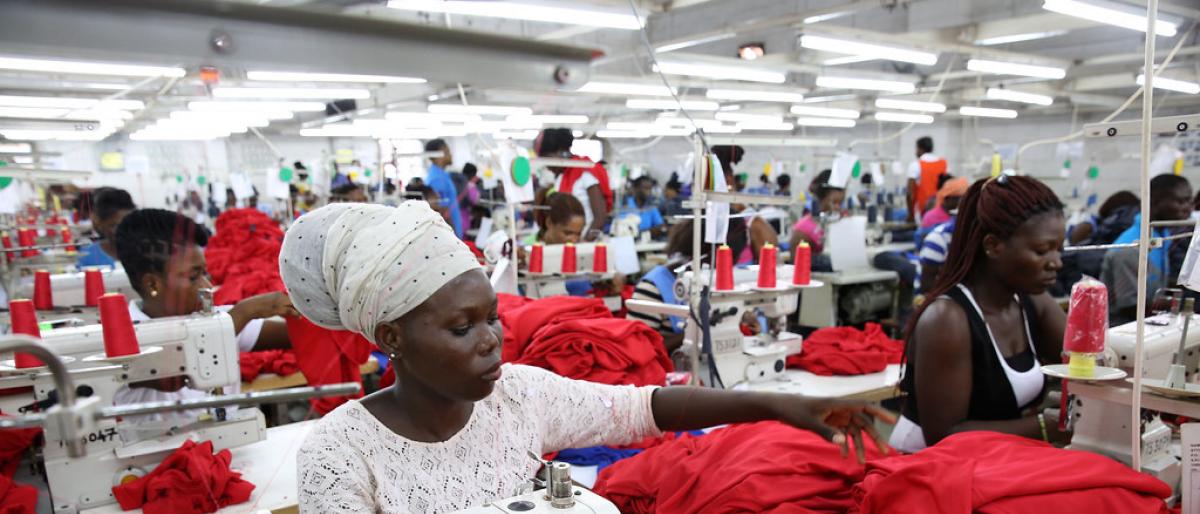
Dignity factory workers producing shirts for overseas clients, in Accra, Ghana

Cooling Before It Got Cool: Case Studies in Heat Adaptation in Southeast Asian Factories

Heat Adaptation in Apparel Factories

A new examination of how apparel factories are adapting to extreme heat while investing in cooling, automation, and climate resilience strategies.

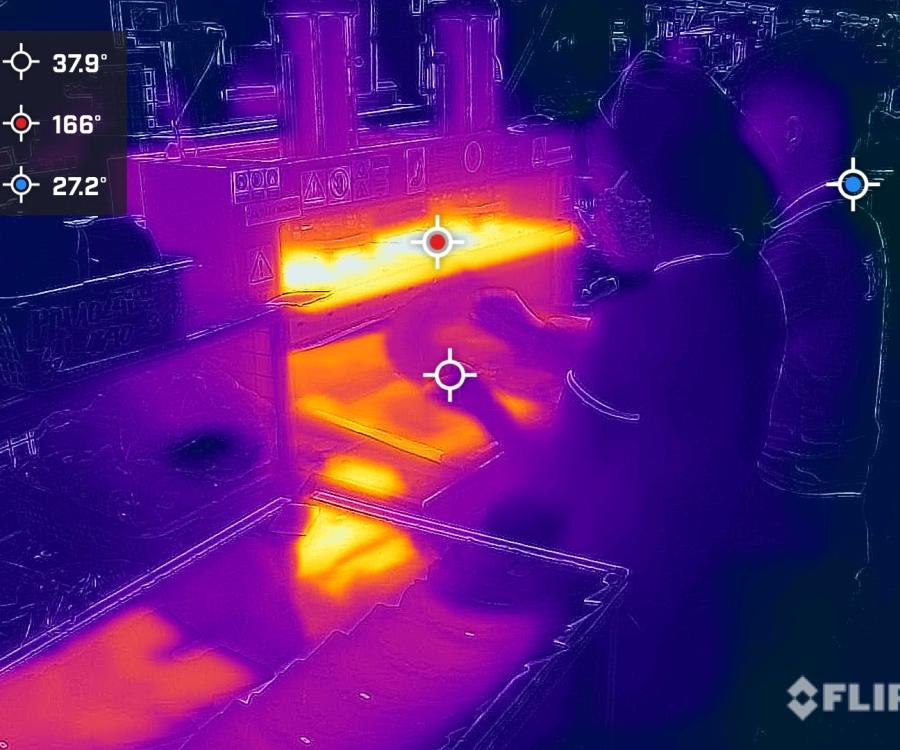
A thermal image of a worker at a station in a garment factory, showing the high heat levels through brighter orange colors at their workstation.
Read more

The Dindigul Agreement to End Gender-based Violence and Harassment

Has It Worked?

This is GLI’s official final assessment of the Dindigul Agreement to End Gender-Based Violence and Harassment at a South Indian apparel factory that could be a model for other factories around the world. 

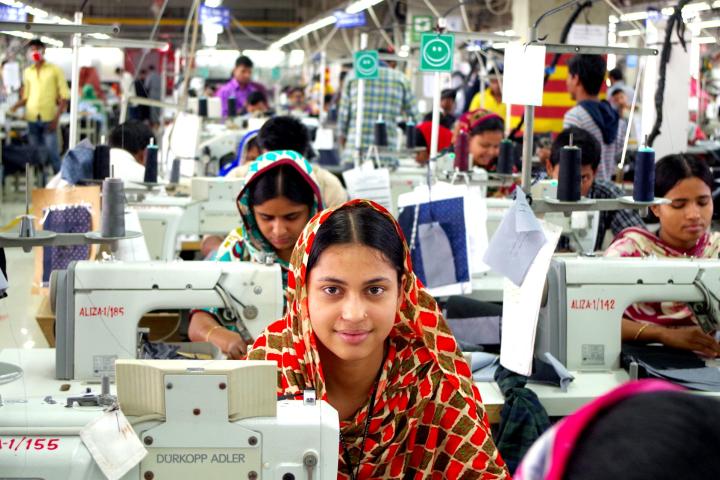
Large room of garment factory workers
Read more

Global Labor Institute's Climate-Labor Work

GLI Climate-Labor Research

See all of our analyses on the intersection of labor rights and climate change.

GLI climate workers webinar
Read GLI's Climate-Labor Work

Measuring Supply Chain Due Diligence

Labor Outcomes Metrics

Read about the Global Labor Institute's new quantitative metrics that measure labor outcomes—actual impacts for workers.

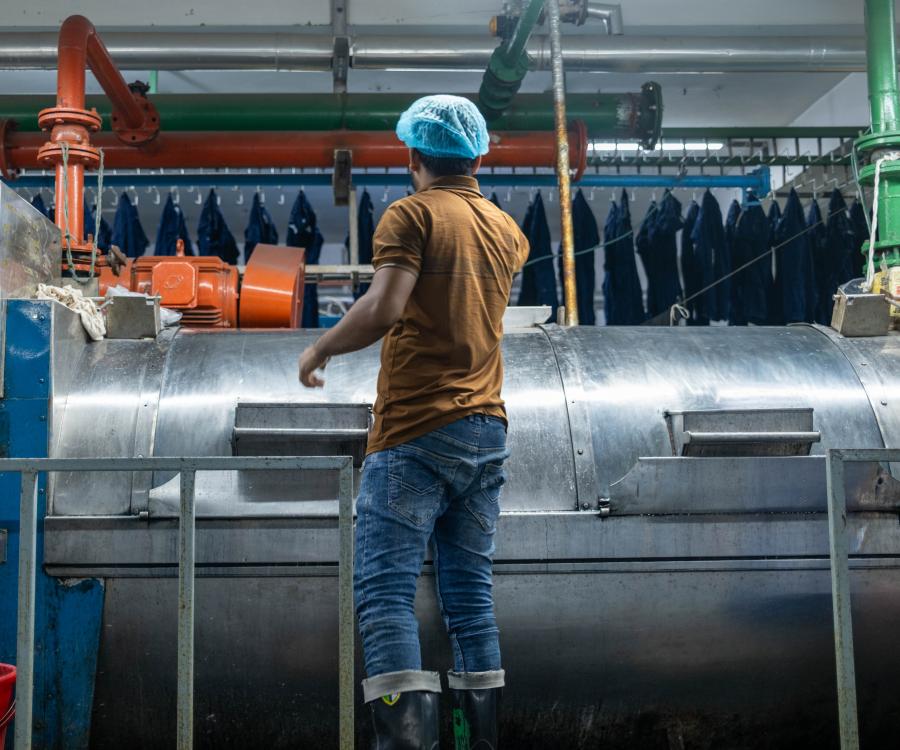
Workers in Bangladesh
Read more about Measuring Supply Chain Due Diligence

Latest Research and Events

EU Forced Labour Regulation to the rescue: Can the EU’s Forced Labor Regulation confront the gendered face of forced labor?

As the EU is set to implement their Forced Labour Regulation in 2027, questions remain about how exactly it will tackle forced and child labour. Visiting Fellow Samira Rafaela interrogates that question by looking at the case of forced labor in the Indian sugar industry in this policy brief.
Sugar cane stands in a field in India
EU Forced Labour Regulation to the rescue: Can the EU’s Forced Labor Regulation confront the gendered face of forced labor?

Brand Purchasing Practices and Labor Outcomes in Apparel and Footwear Supply Chains: The Case of Multi-Buyer Suppliers

This report looks at the purchasing practices of global companies by looking at the purchasing data of two major global suppliers to see how that effects the labor conditions at these two suppliers.
flat digital image of the world showing the concept of connection points across continents
Brand Purchasing Practices and Labor Outcomes in Apparel and Footwear Supply Chains: The Case of Multi-Buyer Suppliers

W(h)ither Trade and Labor? What’s Next in the World of Transnational Labour Governance?

Join us in Geneva alongside the ILO annual meeting for a public debate (and a drink!) co-hosted by the Graduate Institute’s TASC Platform and Cornell University’s Global Labor Institute. It’s Friday, 6 June 2025, 18:30 – 21:30 CEST, at the InterContinental Hotel, Geneva, just down the street from the ILO.
The Geneva Graduate Institute and GLI logos are stacked on top of each other
W(h)ither Trade and Labor? What’s Next in the World of Transnational Labour Governance?

GLI and Human Rights Watch Q&A: European Union Forced Labor Regulation

The EU’s new Forced Labor Regulation will require companies to identify and eliminate forced labor in their operations and supply chains, Human Rights Watch and GLI say in a question-and-answer document about the new law.
Three European Union flags fly from flagpoles
GLI and Human Rights Watch Q&A: European Union Forced Labor Regulation

Schroders and GLI publish stewardship framework on climate risk resilience and adaptation: 'Engaging with companies on Just Resilience: An Investor Toolkit'

From Schroders (and GLI) comes the first ever climate adaptation guidance for investor engagement with firms: "Schroders has begun applying the toolkit for its engagement with apparel brands and plans to expand its application to other exposed sectors, including food and construction."
A person stands holding a red umbrella in floodwaters. In white text, it says "Engaging with companies on Just Resilience: An Investor Toolkit | April 2025."
Schroders and GLI publish stewardship framework on climate risk resilience and adaptation: 'Engaging with companies on Just Resilience: An Investor Toolkit'

Q&A: Tariff Impacts on Apparel Workers and Fashion Industry

Jason Judd, executive director of ILR’s Global Labor Institute, addressed questions about the potential impacts of U.S. tariffs on workers in apparel-producing countries and on the fashion industry.
Photograph of garment workers in Bangladesh at sewing machines.
Q&A: Tariff Impacts on Apparel Workers and Fashion Industry

In The News

Media Mentions

Advancing adaptation in Southeast Asia

McKinsey & Company
A 2026 report from ILR’s Global Labor Institute, “Cooling Before It Got Cool: Case Studies in Heat Adaptation in Southeast Asian Factories,” is cited in this article about climate change in Southeast Asia.
Advancing adaptation in Southeast Asia

What Fashion Needs to Know About Climate Tipping Points

Vogue
Research from ILR’s Global Labor Institute says that without basic climate adaptation measures, extreme heat and humidity could significantly disrupt garment production, and cost key manufacturing countries several percentage points of GDP.
What Fashion Needs to Know About Climate Tipping Points

AAFA Releases Heat Stress Guidance to Protect Garment Workers

Yahoo News
Binding agreements, near-term collection of heat-stress data and collaboration over enforcement could make new heat stress guidance from the American Apparel & Footwear Association even more effective at helping garment industry workers cope with heat, says Jason Judd, executive director of ILR’s Global Labor Institute. [Syndicated from Sourcing Journal]
AAFA Releases Heat Stress Guidance to Protect Garment Workers

Progress Over Perfection: Lessons From Garment Factories Fighting Heat Stress

Yahoo News
“The factories that have invested proactively are seeing an ROI beyond straight-up ‘we’re more productive,’” said Sarah Krasley, visiting fellow at ILR’s Global Labor Institute, sharing observations from a recent research trip to Cambodia and Vietnam of garment industry cooling methods for hot weather. [Syndicated from Sourcing Journal]
Progress Over Perfection: Lessons From Garment Factories Fighting Heat Stress

Nike Is Moving Jobs to Low-Wage Regions of Indonesia

Pro Publica
Jason Judd, executive director of ILR’s Global Labor Institute, criticizes Nike’s living wage pledge for falling short on achieving a living wage for workers.
Nike Is Moving Jobs to Low-Wage Regions of Indonesia

2026 Will Be ‘Stress Test’ Year for Garment Worker Rights

Yahoo News
Sarosh Kuruvilla, ILR professor and academic director of the Global Labor Institute, comments on how recent increases in U.S. tariffs have affected progress in improving labor rights for workers. [Syndicated from Sourcing Journal]
2026 Will Be ‘Stress Test’ Year for Garment Worker Rights