Cornell University mobile logo
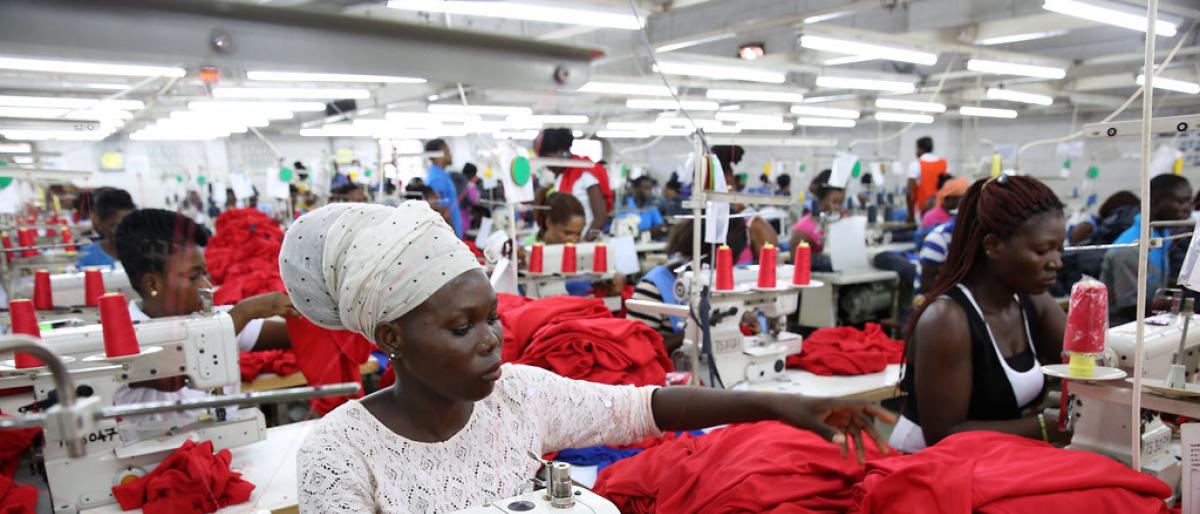
Dignity factory workers producing shirts for overseas clients, in Accra, Ghana

Six Seasons, Four Summers: How to Solve Fashion's High Heat Problem

Read The Report

Cooling investments in Bangladesh’s apparel factories can be commercially viable, with an average payback period of one to four years, according to new research from Cornell University’s Global Labor Institute.
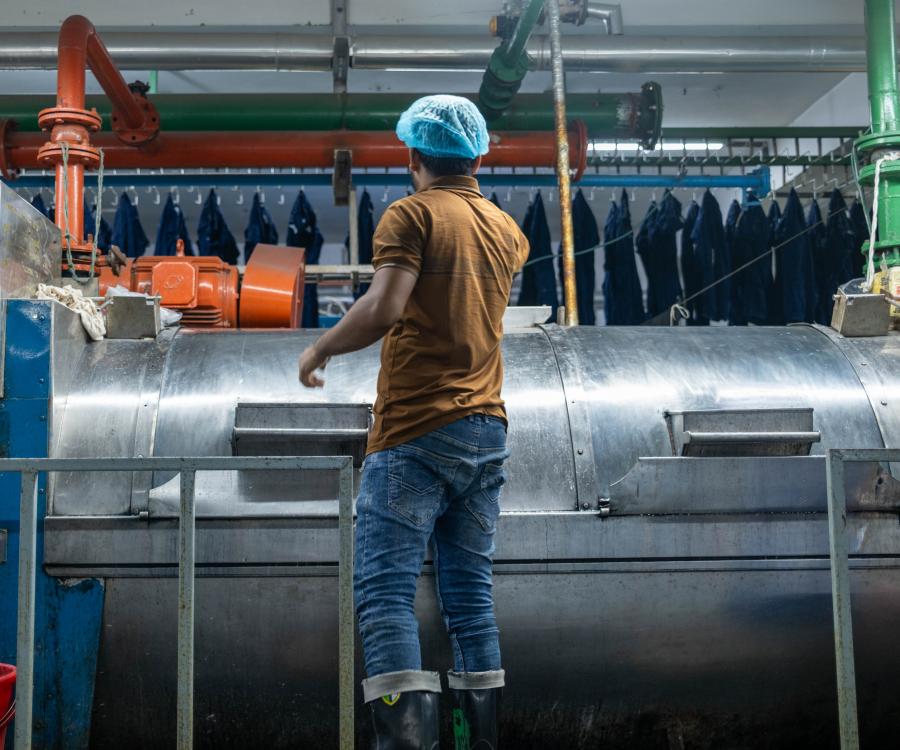
a washing image
Learn More

The Dindigul Agreement to End Gender-based Violence and Harassment

Has It Worked?

This is GLI’s official final assessment of the Dindigul Agreement to End Gender-Based Violence and Harassment at a South Indian apparel factory that could be a model for other factories around the world. 

Large room of garment factory workers
Read more

Measuring Supply Chain Due Diligence

Labor Outcomes Metrics

Read about the Global Labor Institute's new quantitative metrics that measure labor outcomes—actual impacts for workers.

Workers in Bangladesh
Read more about Measuring Supply Chain Due Diligence

Cooling Before It Got Cool: Case Studies in Heat Adaptation in Southeast Asian Factories

Heat Adaptation in Apparel Factories

A new examination of how apparel factories are adapting to extreme heat while investing in cooling, automation, and climate resilience strategies.
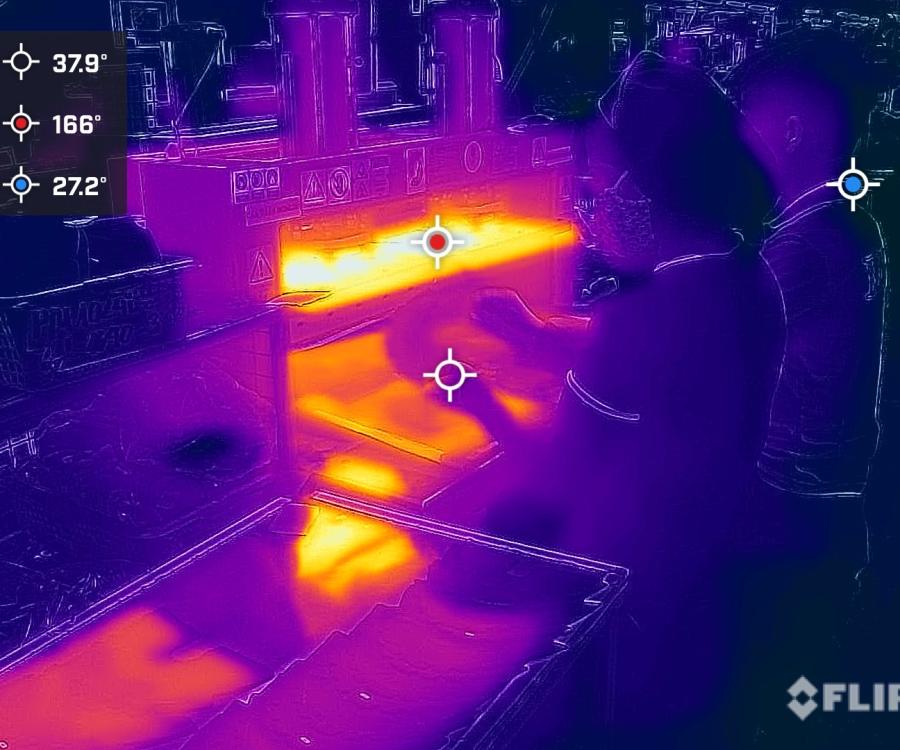
A thermal image of a worker at a station in a garment factory, showing the high heat levels through brighter orange colors at their workstation.
Read more

Global Labor Institute's Climate-Labor Work

GLI Climate-Labor Research

See all of our analyses on the intersection of labor rights and climate change.

GLI climate workers webinar
Read GLI's Climate-Labor Work

Latest Research and Events

Katalyst Initiative: Human Rights Due Diligence, Making it Mandatory

New Conversations Project expert publishes article for the European University Institute on the movement to implement mandatory human rights due diligence laws
Katalyst Initiative logo, orange text stating katalyst initiative
Katalyst Initiative: Human Rights Due Diligence, Making it Mandatory

Special Issue on Labor Regulation in Global Supply Chains in the ILR Review August 2020 issue

ILR Review, August 2020, is a special Issue on Labor Relations in Global Supply Chains
ILR Review logo. Blue text on globe watermark
Special Issue on Labor Regulation in Global Supply Chains in the ILR Review August 2020 issue

Jason Judd on Fair Fashion Think Tank's Podcast on COVID-19 and the Apparel Industry

NCP Executive Director Jason Judd participates in COVID-19 podcast with the Fair Fashion Think Tank
Fair Fashion Think Tank
Jason Judd on Fair Fashion Think Tank's Podcast on COVID-19 and the Apparel Industry

The Conversation: 'Why apparel brands' efforts to police their supply chains aren't working'

In The Conversation, NCP Executive Director Jason Judd and Academic Director Sarosh Kuruvilla share new research on private regulation in the global apparel trade and the COVID-19 crisis.
Red speech bubble, logo for The Conversation
The Conversation: 'Why apparel brands' efforts to police their supply chains aren't working'

In The News

Media Mentions

Nike helped invent modern factory monitoring. Workers, critics say it falls short

The Oregonian
“There have been minor improvements, like a slight decline in hours worked, and whether workers are paid correctly, and declines in child labor,” says Sarosh Kuruvilla, academic director of the Global Labor Institute, commenting on progress to improve working conditions for garment factory workers in Vietnam and Indonesia.
Nike helped invent modern factory monitoring. Workers, critics say it falls short

Extreme heat is creating a workplace health crisis in Bangladesh’s garment industry

Mongabay
More heat stress leads to less revenue for the garment industry; heat stress was linked to a 4.1% decrease in annual revenue at a representative Bangladeshi factory in a recent report from ILR’s Global Labor Institute.
Extreme heat is creating a workplace health crisis in Bangladesh’s garment industry

Podcast: Who pays for fashion's heat crisis?

Ecotextile News
“Factories and industries need to develop and enforce protocols for high heat,” said Jason Judd, executive director of ILR’s Global Labor Institute, in this podcast interview focusing on the institute’s recent report, “Six Seasons, Four Summers: How to Solve Fashion’s High Heat Problem.”
Podcast: Who pays for fashion's heat crisis?

Nike said factory workers should earn enough to pay their bills, and then some. Nearly a decade later, many still struggle

The Oregonian
Wages paid to apparel workers were higher than local minimums but far from the living wages that leading global brands had promised, according to research contributed to by Sarosh Kuruvilla, ILR professor and academic director of the Global Labor Institute.
Nike said factory workers should earn enough to pay their bills, and then some. Nearly a decade later, many still struggle

Bangladesh garment factory workers bear the brunt of rising temperatures

Mongabay
Heat stress was linked to roughly a 4.1% annual revenue drop at a representative Bangladeshi factory says a report from ILR’s Global Labor Institute; the report is called “Six Seasons, Four Summers: How to Solve Fashion’s High Heat Problem.”
Bangladesh garment factory workers bear the brunt of rising temperatures

Cooling Bangladesh's garment factories is cheaper than it looks

MSN
The cost of reducing heat stress for workers in Bangladesh garment factories has an average payback period of one to four years says a report from ILR’s Global Labor Institute; the report discusses the need for cooling both factories and workers’ homes. [Syndicated from Sourcing Journal]
Cooling Bangladesh's garment factories is cheaper than it looks