Cornell University mobile logo
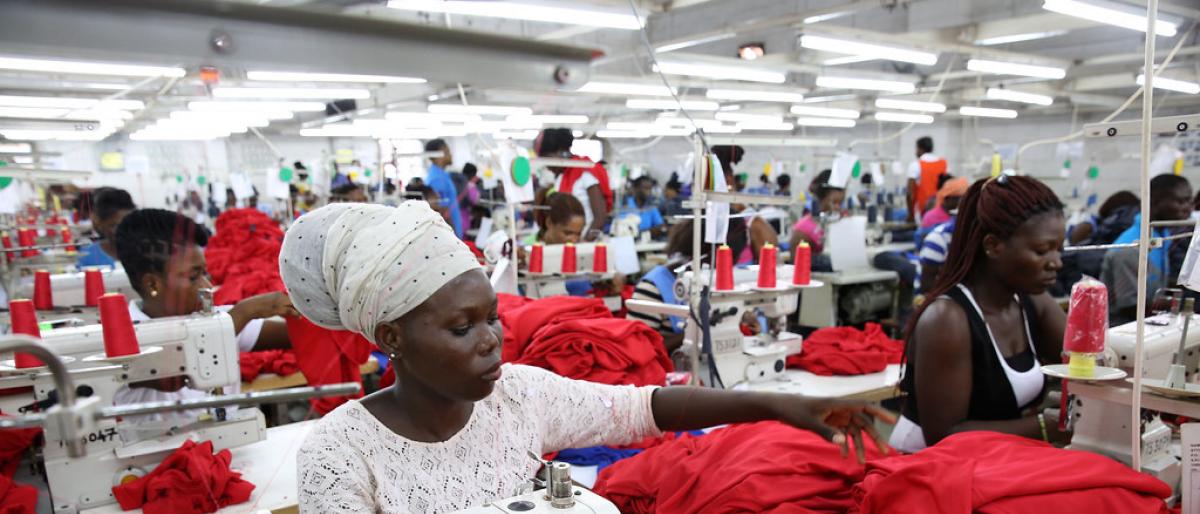
Dignity factory workers producing shirts for overseas clients, in Accra, Ghana

Six Seasons, Four Summers: How to Solve Fashion's High Heat Problem

Read The Report

Cooling investments in Bangladesh’s apparel factories can be commercially viable, with an average payback period of one to four years, according to new research from Cornell University’s Global Labor Institute.
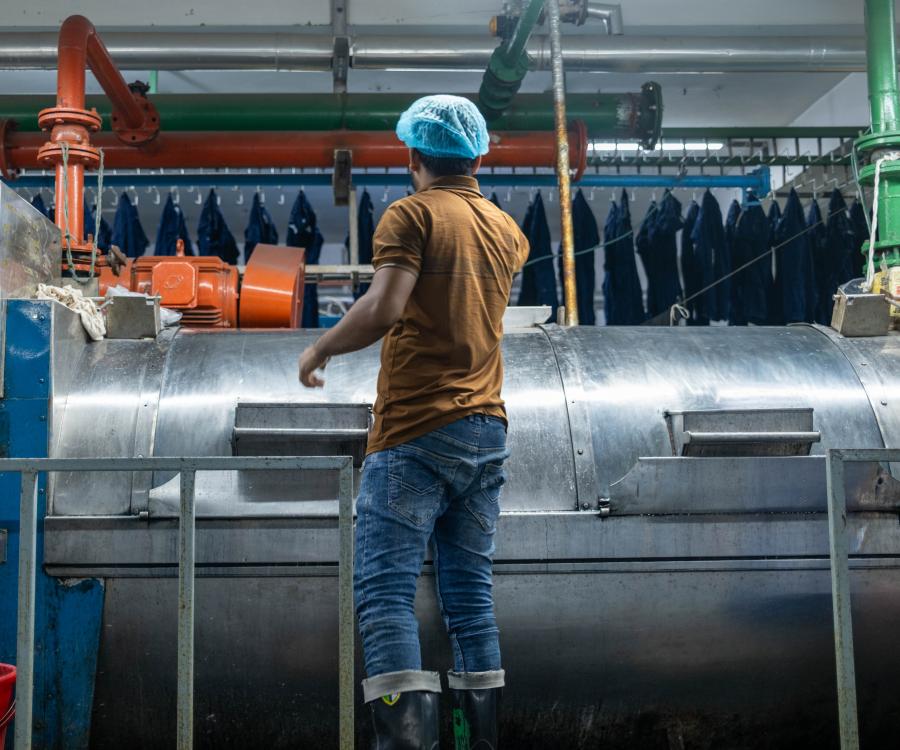
a washing image
Learn More

The Dindigul Agreement to End Gender-based Violence and Harassment

Has It Worked?

This is GLI’s official final assessment of the Dindigul Agreement to End Gender-Based Violence and Harassment at a South Indian apparel factory that could be a model for other factories around the world. 

Large room of garment factory workers
Read more

Measuring Supply Chain Due Diligence

Labor Outcomes Metrics

Read about the Global Labor Institute's new quantitative metrics that measure labor outcomes—actual impacts for workers.

Workers in Bangladesh
Read more about Measuring Supply Chain Due Diligence

Cooling Before It Got Cool: Case Studies in Heat Adaptation in Southeast Asian Factories

Heat Adaptation in Apparel Factories

A new examination of how apparel factories are adapting to extreme heat while investing in cooling, automation, and climate resilience strategies.
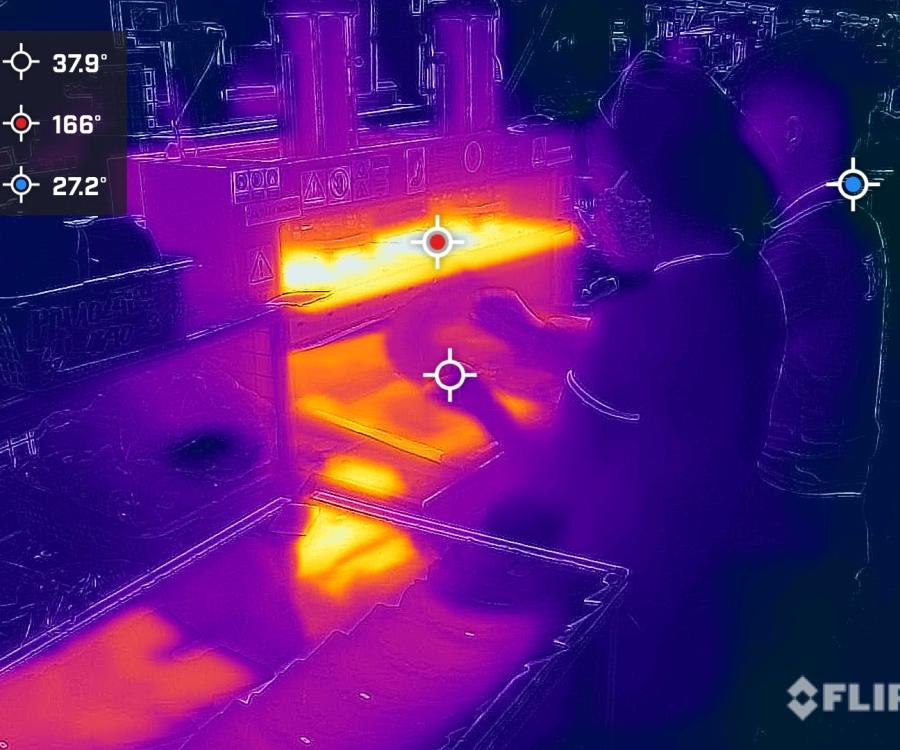
A thermal image of a worker at a station in a garment factory, showing the high heat levels through brighter orange colors at their workstation.
Read more

Global Labor Institute's Climate-Labor Work

GLI Climate-Labor Research

See all of our analyses on the intersection of labor rights and climate change.

GLI climate workers webinar
Read GLI's Climate-Labor Work

Latest Research and Events

Katalyst Initiative: Human Rights Due Diligence, Making it Mandatory

New Conversations Project expert publishes article for the European University Institute on the movement to implement mandatory human rights due diligence laws
Katalyst Initiative logo, orange text stating katalyst initiative
Katalyst Initiative: Human Rights Due Diligence, Making it Mandatory

Special Issue on Labor Regulation in Global Supply Chains in the ILR Review August 2020 issue

ILR Review, August 2020, is a special Issue on Labor Relations in Global Supply Chains
ILR Review logo. Blue text on globe watermark
Special Issue on Labor Regulation in Global Supply Chains in the ILR Review August 2020 issue

Jason Judd on Fair Fashion Think Tank's Podcast on COVID-19 and the Apparel Industry

NCP Executive Director Jason Judd participates in COVID-19 podcast with the Fair Fashion Think Tank
Fair Fashion Think Tank
Jason Judd on Fair Fashion Think Tank's Podcast on COVID-19 and the Apparel Industry

The Conversation: 'Why apparel brands' efforts to police their supply chains aren't working'

In The Conversation, NCP Executive Director Jason Judd and Academic Director Sarosh Kuruvilla share new research on private regulation in the global apparel trade and the COVID-19 crisis.
Red speech bubble, logo for The Conversation
The Conversation: 'Why apparel brands' efforts to police their supply chains aren't working'

In The News

Media Mentions

How Fashion Manufacturers Are Tackling Extreme Heat

Vogue
“You could start easily just by having cheap thermometers and logging to see what your indoor air temperatures and humidity levels are throughout a day and throughout a year,” observes Sarah Krasley, visiting fellow at ILR’s Global Labor Institute, pointing out that inexpensive equipment can provide data about conditions.
How Fashion Manufacturers Are Tackling Extreme Heat

Garment workers face heat risks in Bangladesh as energy cuts curb cooling

The Japan Times
A 2023 study by ILR’s Global Labor Institute is referenced in this article about problems and solutions for cooling garment workers on hot days; the study estimates significant job and income losses for the apparel industry if heat risks are not addressed. [Syndicated from Reuters]
Garment workers face heat risks in Bangladesh as energy cuts curb cooling

Advancing adaptation in Southeast Asia

McKinsey & Company
A 2026 report from ILR’s Global Labor Institute, “Cooling Before It Got Cool: Case Studies in Heat Adaptation in Southeast Asian Factories,” is cited in this article about climate change in Southeast Asia.
Advancing adaptation in Southeast Asia

What Fashion Needs to Know About Climate Tipping Points

Vogue
Research from ILR’s Global Labor Institute says that without basic climate adaptation measures, extreme heat and humidity could significantly disrupt garment production, and cost key manufacturing countries several percentage points of GDP.
What Fashion Needs to Know About Climate Tipping Points

AAFA Releases Heat Stress Guidance to Protect Garment Workers

Yahoo News
Binding agreements, near-term collection of heat-stress data and collaboration over enforcement could make new heat stress guidance from the American Apparel & Footwear Association even more effective at helping garment industry workers cope with heat, says Jason Judd, executive director of ILR’s Global Labor Institute. [Syndicated from Sourcing Journal]
AAFA Releases Heat Stress Guidance to Protect Garment Workers

Progress Over Perfection: Lessons From Garment Factories Fighting Heat Stress

Yahoo News
“The factories that have invested proactively are seeing an ROI beyond straight-up ‘we’re more productive,’” said Sarah Krasley, visiting fellow at ILR’s Global Labor Institute, sharing observations from a recent research trip to Cambodia and Vietnam of garment industry cooling methods for hot weather. [Syndicated from Sourcing Journal]
Progress Over Perfection: Lessons From Garment Factories Fighting Heat Stress