Cornell University mobile logo
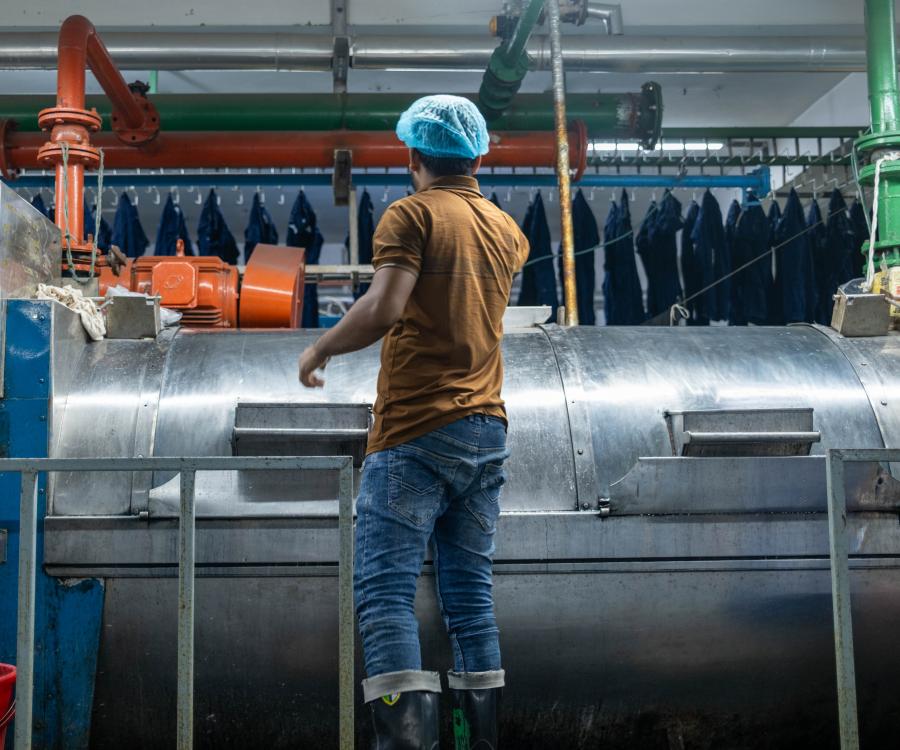
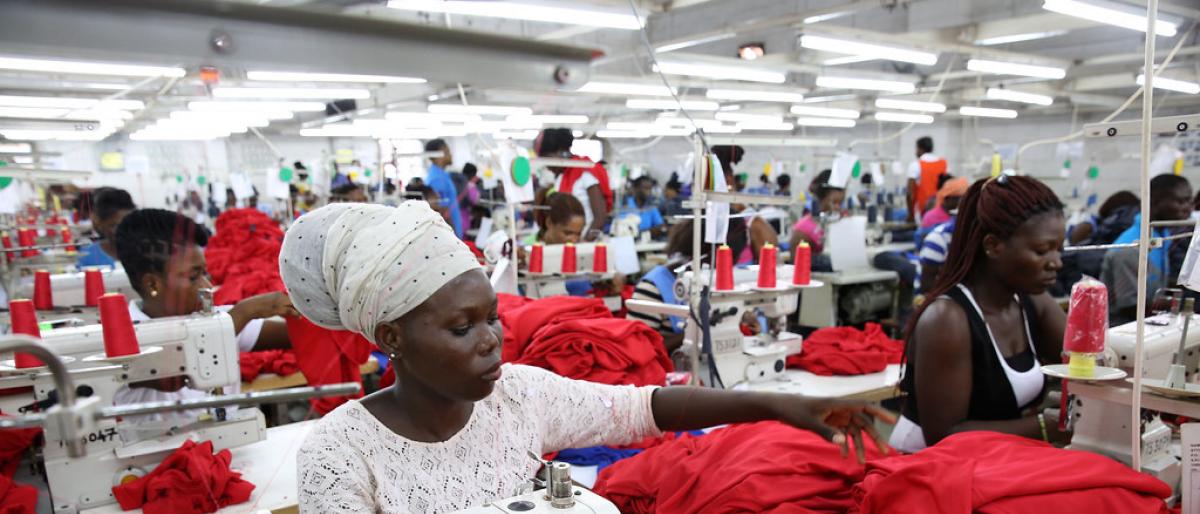
Dignity factory workers producing shirts for overseas clients, in Accra, Ghana

Cooling Before It Got Cool: Case Studies in Heat Adaptation in Southeast Asian Factories

Heat Adaptation in Apparel Factories

A new examination of how apparel factories are adapting to extreme heat while investing in cooling, automation, and climate resilience strategies.

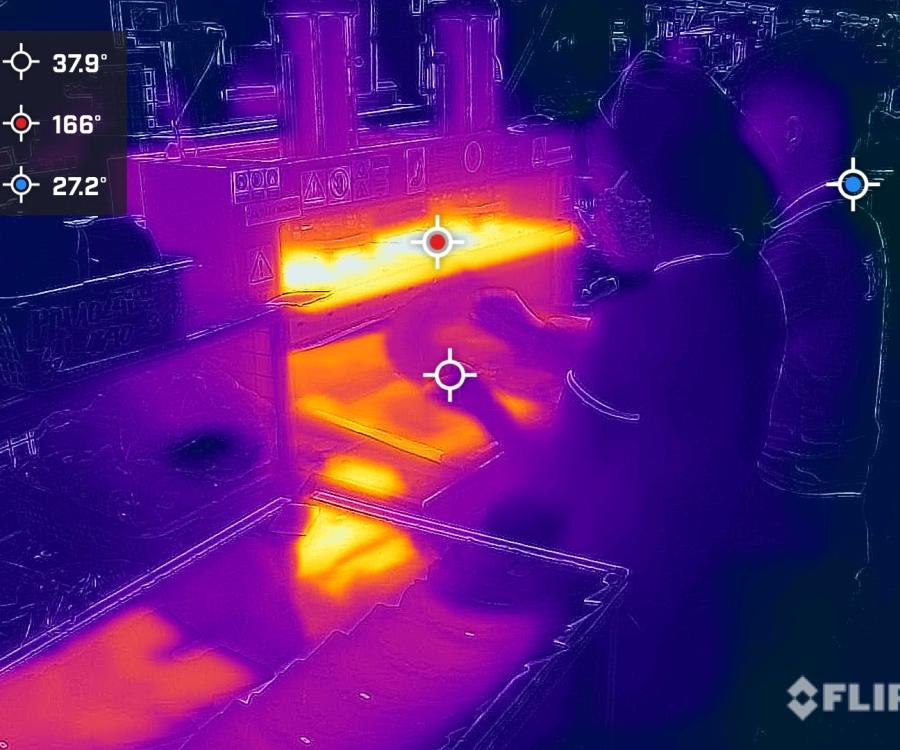
A thermal image of a worker at a station in a garment factory, showing the high heat levels through brighter orange colors at their workstation.
Read more

The Dindigul Agreement to End Gender-based Violence and Harassment

Has It Worked?

This is GLI’s official final assessment of the Dindigul Agreement to End Gender-Based Violence and Harassment at a South Indian apparel factory that could be a model for other factories around the world. 

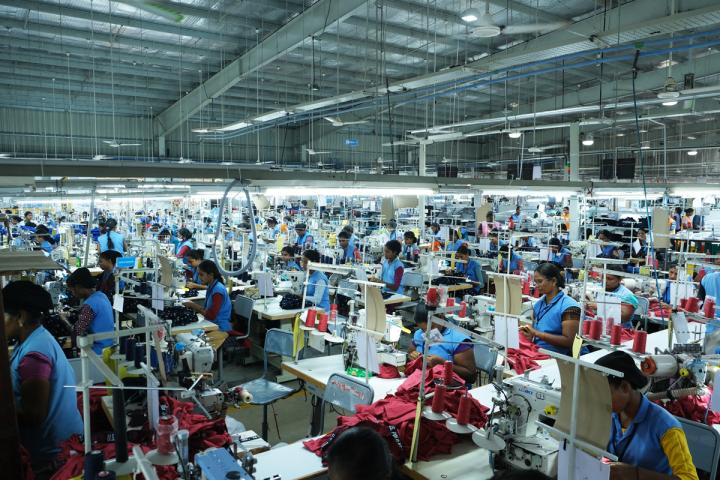
Large room of garment factory workers
Read more

Global Labor Institute's Climate-Labor Work

GLI Climate-Labor Research

See all of our analyses on the intersection of labor rights and climate change.

GLI climate workers webinar
Read GLI's Climate-Labor Work

Measuring Supply Chain Due Diligence

Labor Outcomes Metrics

Read about the Global Labor Institute's new quantitative metrics that measure labor outcomes—actual impacts for workers.

Workers in Bangladesh
Read more about Measuring Supply Chain Due Diligence

Latest Research and Events

2025 Global Labor Institute Conference 'More TLC? Trade-Labor Connections in the New Global Order' Recap

Please enjoy our recap from our 4 December GLI conference, 'More TLC? Trade-Labor Connections in the New Global Order'
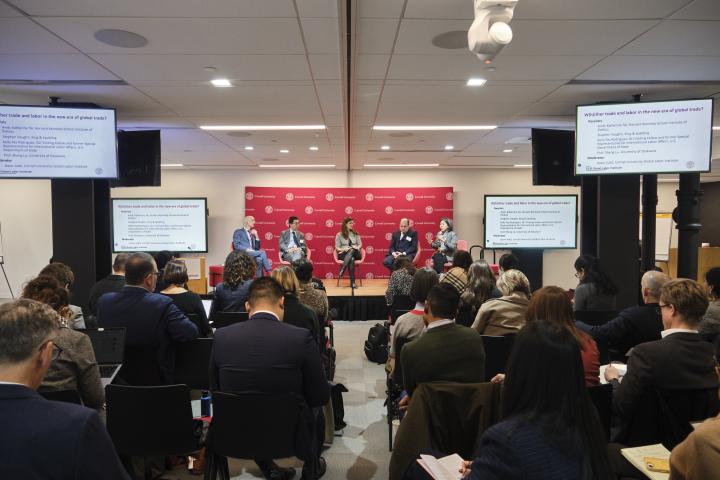
People attend and watch a panel discussion at the 2025 GLI Conference in New York City
2025 Global Labor Institute Conference 'More TLC? Trade-Labor Connections in the New Global Order' Recap

Warming to the Idea? Labor Governance and Extreme Heat in Apparel Production

This policy brief builds upon past GLI research and our recent report co-produced with the IFC and the ILO's Better Work program. It presents new findings on the impacts of extreme heat and the adaptation responses from employers, workers, their governments and buyers in the global apparel and footwear industry.
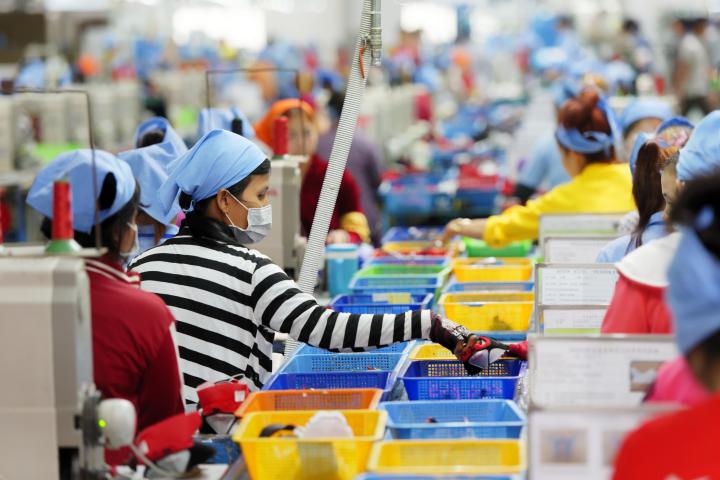
Cambodian workers are seen in a local footwear manufacturing plant, with containers of materials in multiple colors sitting in front of workers wearing bandanas and many wearing masks as well.
Warming to the Idea? Labor Governance and Extreme Heat in Apparel Production

Assessment of a Unique Agreement to End Gender-Based Violence and Harassment in Apparel Factories

The Dindigul Agreement to End Gender-based Violence and Harassment (GBVH) has been successful in empowering women to identify and combat gender-based violence in the workplace, largely due to a strong female-led union and a productive labor-management relationship, according to a recent assessment by Cornell’s Global Labor Institute.
Large room of garment factory workers
Assessment of a Unique Agreement to End Gender-Based Violence and Harassment in Apparel Factories

The Dindigul Agreement to End Gender-based Violence and Harassment

This is GLI’s official final assessment of the Dindigul Agreement  to End Gender-Based Violence and Harassment  at a South Indian apparel factory that could be a model for other factories around the world.
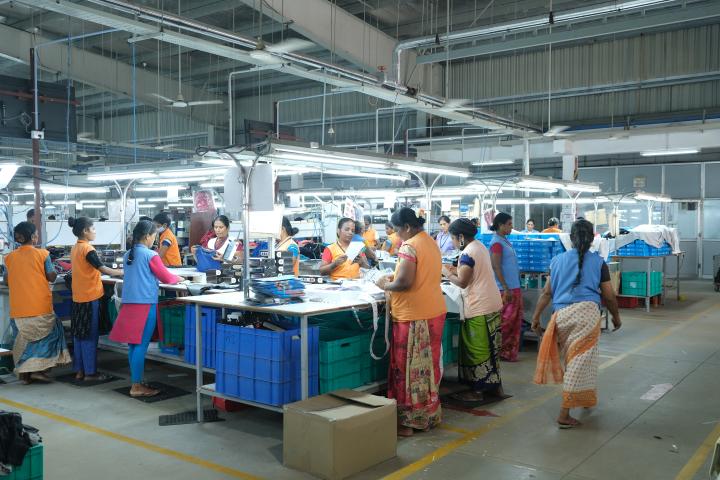
Women working in a factory
The Dindigul Agreement to End Gender-based Violence and Harassment

GLI and the IFC-ILO: The Heat is On: How heat stress impacts the apparel industry, jobs, and worker health

This report, co-produced by GLI and the International Finance Corporation, with input from the International Labour Organization’s Better Work team, build upon past GLI research and examines the impacts of heat stress and flooding on the apparel industry.
The fron page of "The Heat is On" report. A woman stands with a yellow fabric over her head, and the title "The Heat is On: How heat stress impacts the apparel industry, jobs, and worker health" is on a dark maroon background. The logos of Cornell University, the Global Labor Institue, and the Facility for Investment Climate Advisory Services sit on the bottom of the page on a white background.
GLI and the IFC-ILO: The Heat is On: How heat stress impacts the apparel industry, jobs, and worker health

December 4 GLI Conference: More TLC? Trade-Labor Connections in the New Global Order

Please join us for GLI’s day-long 2025 conference, where we will focus on the state of labor standards and work in the new era of global trade.
Garment workers in an Indonesian factory
December 4 GLI Conference: More TLC? Trade-Labor Connections in the New Global Order

In The News

Media Mentions

Bangladesh Sourcing Report Challenges Cheap Hub Narrative

Sustainable Business Magazine
The report “Higher Ground? Report 1: Fashion’s Climate Breakdown and Its Effect for Workers,” which was co-published by ILR’s Global Labor Institute, is referenced in this article about various challenges and solutions for the Bangladesh garment industry.
Bangladesh Sourcing Report Challenges Cheap Hub Narrative

Knitting Industry

A report from the Global Labor Institute, “Higher Ground? Report 1: Fashion’s Climate Breakdown and Its Effect for Workers,” is referenced in this article, which warns that without climate adaptation efforts, Bangladesh’s apparel export earnings could be around 22% lower by 2030 and 68% lower by 2050.
Knitting Industry

Top fashion brands have a supply chain battle against extreme India heat

Economic Times
A report co-created by ILR’s Global Labor Institute, “The Heat is On: How heat stress impacts the apparel industry, jobs, and worker health,” is referenced in this article about problems and solutions related to high temperatures in the garment manufacturing workplace. [Syndicated from Bloomberg]
Top fashion brands have a supply chain battle against extreme India heat

Gap Inc. Expands Human Rights And Gender Equality Efforts

Textile Insights
A report, “The Dindigul Agreement to End Gender-based Violence and Harassment Has It Worked?”, by Sarosh Kuruvilla, ILR professor and academic director of the Global Labor Institute, is referenced in this article.
Gap Inc. Expands Human Rights And Gender Equality Efforts

How Fashion Manufacturers Are Tackling Extreme Heat

Vogue
“You could start easily just by having cheap thermometers and logging to see what your indoor air temperatures and humidity levels are throughout a day and throughout a year,” observes Sarah Krasley, visiting fellow at ILR’s Global Labor Institute, pointing out that inexpensive equipment can provide data about conditions.
How Fashion Manufacturers Are Tackling Extreme Heat

Garment workers face heat risks in Bangladesh as energy cuts curb cooling

The Japan Times
A 2023 study by ILR’s Global Labor Institute is referenced in this article about problems and solutions for cooling garment workers on hot days; the study estimates significant job and income losses for the apparel industry if heat risks are not addressed. [Syndicated from Reuters]
Garment workers face heat risks in Bangladesh as energy cuts curb cooling