Developed in partnership with New Jersey labor unions during an ongoing energy and affordability crisis, our latest report explores what a clean, climate-safe, energy secure, and union-built future could look like in the Garden State.
Quick Takeaways
- New Jersey is an increasingly energy-insecure state. The share of imports that the Garden State relies on to power its own electric grid has steadily increased over the last few years, from nearly a fifth of total consumption in 2022 up to a quarter in 2024. This has made ratepayers vulnerable to volatile prices from the regional electricity grid.
- In-state renewable production has been slow to take off. While New Jersey has ambitious clean energy goals, that hasn’t translated into the kind of large-scale, real-world build the state needs – yet.
- Clean energy investment could generate thousands of high-quality jobs. By implementing the energy and building sector recommendations alone – meant to merely kickstart the clean energy economy – New Jersey could create nearly 34,000 direct jobs through 2030, including over 7,300 construction trades jobs.
- New Jersey's unions are well-poised to build a climate-safe economy. As one of the most union-dense states in the nation, and with existing wins on high-road labor standards to build upon, the Climate Jobs New Jersey coalition is ready to build bold, build clean, and build union.
24 GW
33,460
6th Highest
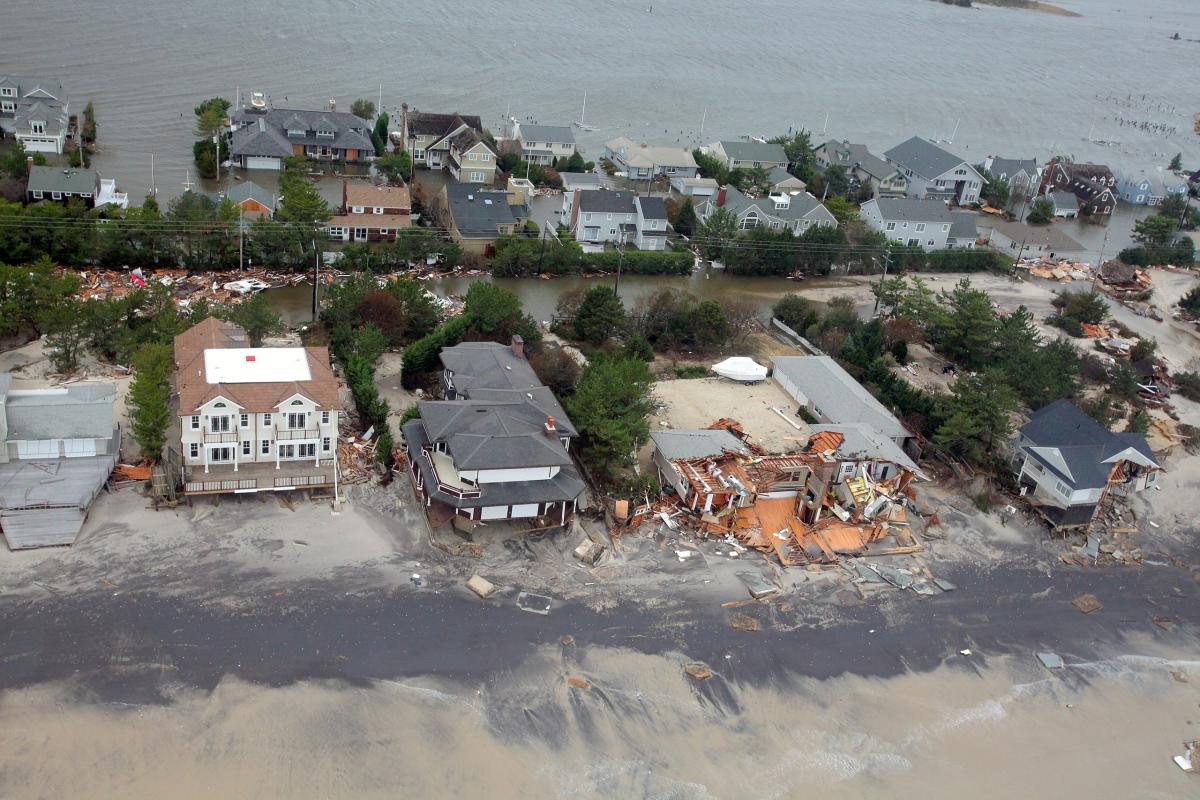
More than a decade after Hurricane Sandy made landfall in the state, it remains clear that New Jersey’s working people face the brunt of climate change first and worst. To redress historic inequities, New Jersey must proactively invest in an expanse of climate-safe infrastructure well before the next superstorm strikes – and strategically do so in partnership with its union labor workforce.
Safeguarding New Jersey against the future effects of climate change and tackling the current energy affordability crisis will require significant, coordinated investments in key infrastructure upgrades across the state’s varied economic sectors, including in energy and electricity, public and private buildings, water systems, roadways, and waste processing. All of these projects have the potential to generate significant in-state jobs. When these jobs are paired with a guarantee to generate high-quality, family sustaining, union careers, New Jersey has the chance to turn an economic risk posed by the climate crisis into a true economic opportunity to uplift working class people and build a resilient, thriving state.