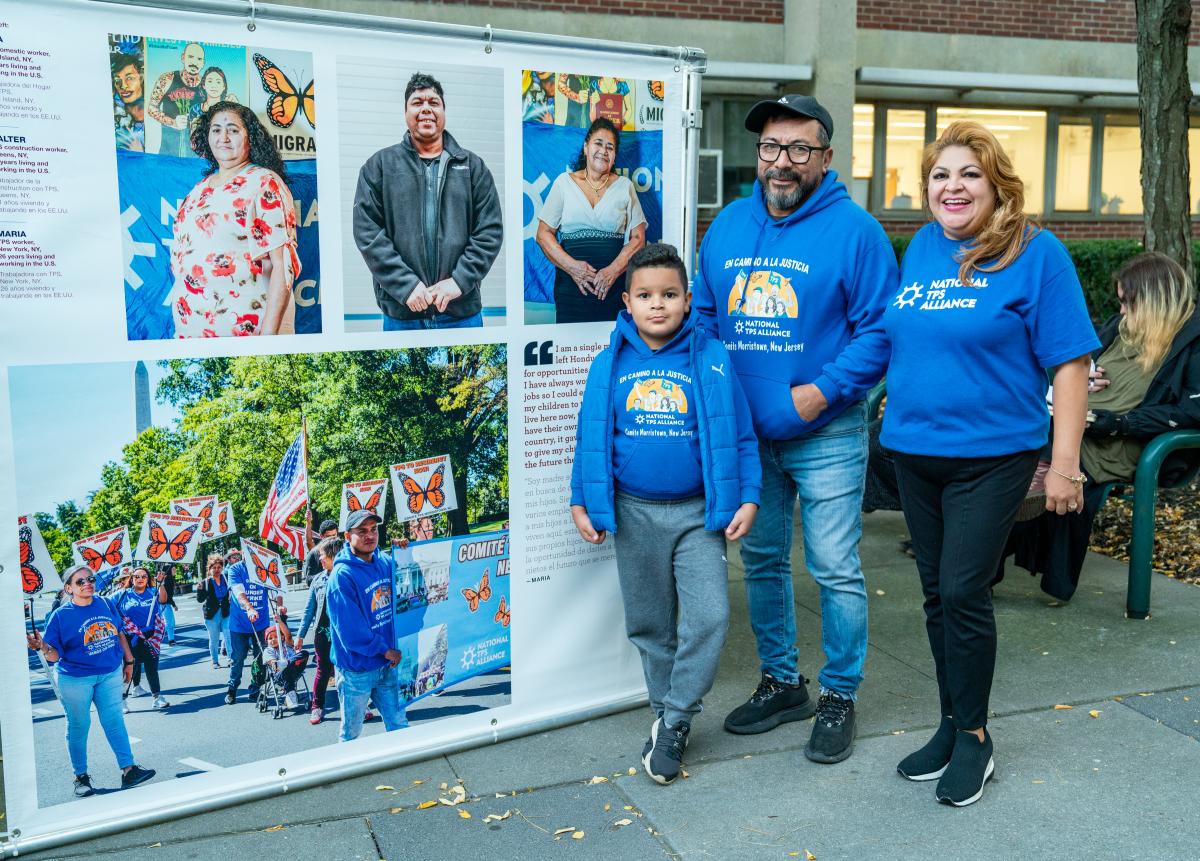
This research project examines the experience of approximately 325,000 Central Americans with Temporary Protective Status (TPS), migrants legally eligible to work in the US without a pathway to citizenship and ongoing potential deportation risk.
A core value of the Institute’s work is that collective bargaining, workers’ collective representation, and workers’ rights are vital to a fair economy, robust democracy, and a just society. Based on its mission, the Worker Institute has a long record of conducting key research and advancing policy innovation for worker centers that represent and advance the rights of workers in precarious work arrangements, gig workers, and workers in precarious immigration status.
The Mobilizing Against Inequality project opens a new online conversation about immigrant workers – their struggles for rights and representation and the organizations that advocate for them.
In Legalized Inequalities, law scholar Kati L. Griffith, sociologist Shannon Gleeson, anthropologist Darlène Dubuisson, and political scientist Patricia Campos-Medina investigate the government’s role in perpetuating poor and dangerous work environments for low-wage immigrant workers of color.