Cornell University mobile logo
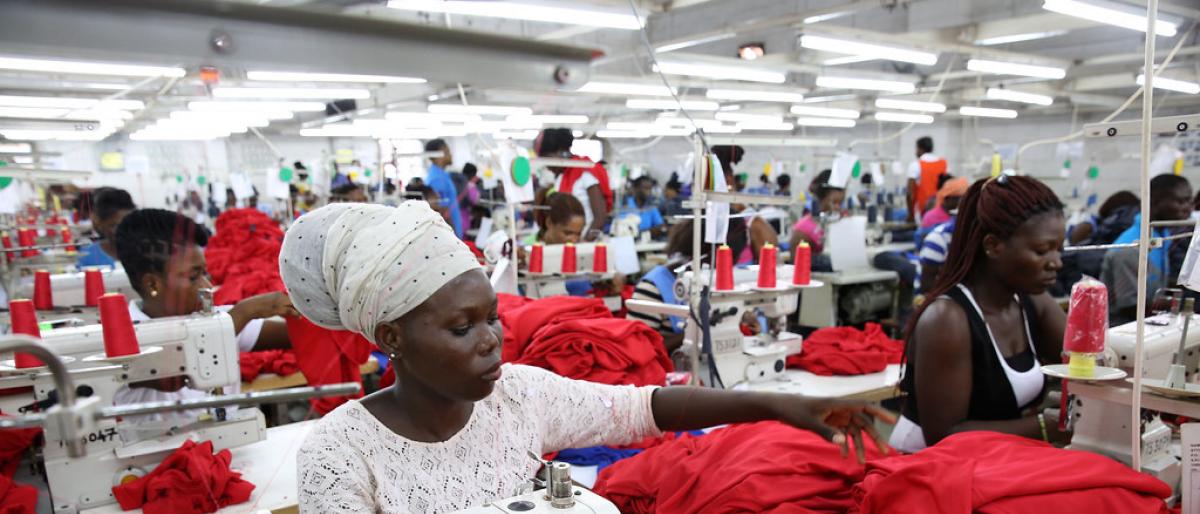
Dignity factory workers producing shirts for overseas clients, in Accra, Ghana

Cooling Before It Got Cool: Case Studies in Heat Adaptation in Southeast Asian Factories

Heat Adaptation in Apparel Factories

A new examination of how apparel factories are adapting to extreme heat while investing in cooling, automation, and climate resilience strategies.

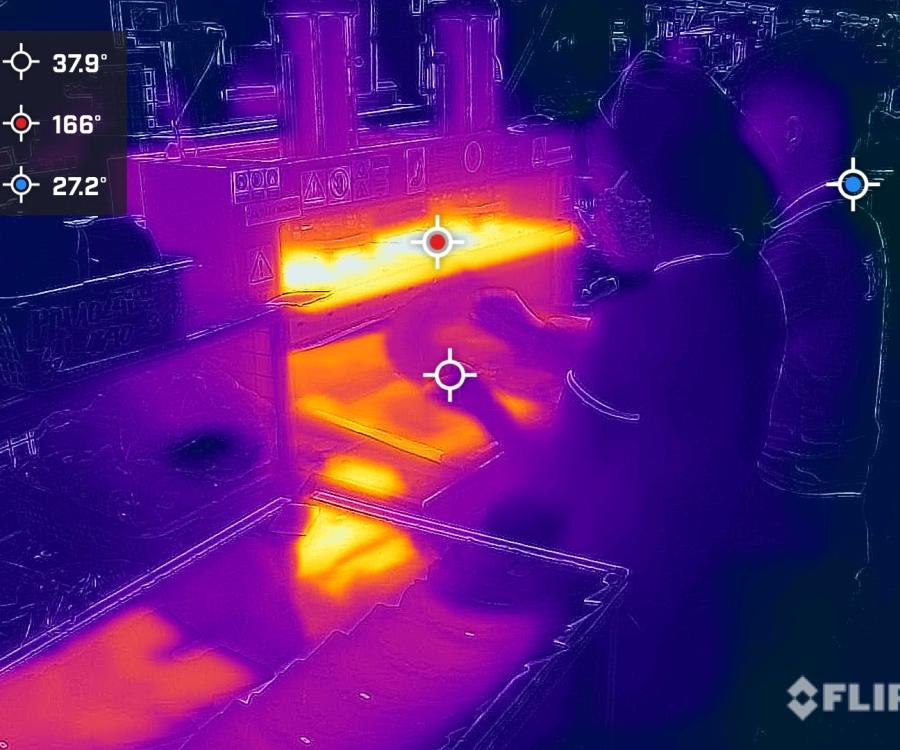
A thermal image of a worker at a station in a garment factory, showing the high heat levels through brighter orange colors at their workstation.
Read more

The Dindigul Agreement to End Gender-based Violence and Harassment

Has It Worked?

This is GLI’s official final assessment of the Dindigul Agreement to End Gender-Based Violence and Harassment at a South Indian apparel factory that could be a model for other factories around the world. 

Large room of garment factory workers
Read more

Warming to the Idea? Labor Governance and Extreme Heat in Apparel Production

Impacts of Climate Change on Global Apparel Production

How have weather conditions already started to affect the apparel industry and how should the industry adapt? This policy brief builds upon past GLI research and our report co-produced with the IFC and the ILO's Better Work program to present new findings on the impacts of extreme heat and the adaptation responses from employers, workers, their governments and buyers in the global apparel and footwear industry. See our new research here.

Cambodian workers are seen in a local footwear manufacturing plant, with containers of materials in multiple colors sitting in front of workers wearing bandanas and many wearing masks as well.
Read the full report

Measuring Supply Chain Due Diligence

Labor Outcomes Metrics

Read about the Global Labor Institute's new quantitative metrics that measure labor outcomes—actual impacts for workers.

Workers in Bangladesh
Read more about Measuring Supply Chain Due Diligence

Latest Research and Events

Published Papers on Labor Practices in Global Supply Chains

ILR Review published special issue devoted to research findings on sustainable labor practices in global supply chains.
ILR Review cover
Published Papers on Labor Practices in Global Supply Chains

Webinar: How do we resolve labor disputes under global supply chain agreements?

NCP leads webinar on a new proposal for model arbitration provisions in enforceable brand agreements between labor advocates and global firms.
Crowd of striking workers outside a garment factory speaking with a manager
Webinar: How do we resolve labor disputes under global supply chain agreements?

Katalyst Initiative: Human Rights Due Diligence, Making it Mandatory

New Conversations Project expert publishes article for the European University Institute on the movement to implement mandatory human rights due diligence laws
Katalyst Initiative logo, orange text stating katalyst initiative
Katalyst Initiative: Human Rights Due Diligence, Making it Mandatory

Special Issue on Labor Regulation in Global Supply Chains in the ILR Review August 2020 issue

ILR Review, August 2020, is a special Issue on Labor Relations in Global Supply Chains
ILR Review logo. Blue text on globe watermark
Special Issue on Labor Regulation in Global Supply Chains in the ILR Review August 2020 issue

Fair Fashion Think Tank COVID-19 Podcast

NCP Executive Director Jason Judd participates in COVID-19 podcast with the Fair Fashion Think Tank
Fair Fashion Think Tank
Fair Fashion Think Tank COVID-19 Podcast

The Conversation - Why apparel brands' efforts to police their supply chains aren't working

In The Conversation, NCP Executive Director Jason Judd and Academic Director Sarosh Kuruvilla share new research on private regulation in the global apparel trade and the COVID-19 crisis.
Red speech bubble, logo for The Conversation
The Conversation - Why apparel brands' efforts to police their supply chains aren't working

In The News

Media Mentions

How Climate Change Will Shape Fashion Supply Chains in 2026

Vogue
“The technology to cool workers is not complicated, and the costs are manageable in most countries,” said Jason Judd, executive director of ILR’s Global Labor Institute, sharing his expertise about how the garment industry is addressing climate change and heat stress in factories.
How Climate Change Will Shape Fashion Supply Chains in 2026

Justice for Jeyasre: how a brutal murder led to a better deal for garment workers in India

The Guardian
Sarosh Kuruvilla, academic director of the Global Labor Institute, provides an analysis of the Dindigul labor agreement and comments on why Natchi Apparels may be having difficulty finding new clients.
Justice for Jeyasre: how a brutal murder led to a better deal for garment workers in India

Can the fashion industry adapt to a warming world?

Context
“Workers toiling in 35 or 40 degrees Celsius and high humidity is the return of the literal sweatshop,” says this article about the garment industry and climate change, co-written by Jason Judd, executive director of the Global Labor Institute. The article cites the institute’s “Higher Ground?” report and offers solutions.
Can the fashion industry adapt to a warming world?

Hot Air: How will fashion adapt to accelerating climate change?

Impacts of Climate Change on Global Apparel Production

How have weather conditions already changed in major apparel production centers? In this follow-up to our Higher Ground? reports, we looked at the past twenty years of weather data in our 23 focus cities to try and find that out, as well as ask how workers, brands and retailers, manufacturers and their governments should react and adapt to our warming future in a world of corporate due diligence. Read our findings here.

A flooded area near to Phnom Penh, Cambodia
/global-labor-institute/research-0/gli-hot-air

Higher Ground? Fashion’s Climate Breakdown

Impacts of climate change on global apparel production

In partnership with Schroders, we report the impacts of climate change on global apparel production. In our first report, we track climate change impacts at the global, national, and factory levels. We map fashion's climate vulnerabilities across production centers, and estimate future economic damages from extreme heat and flooding. Our second report examines company-level climate risk, cost, and financing for adaption and just resilience.

Textile workers in Ho Chi Minh City, Vietnam
Read the reports

Change or Groundhog Day? What new research tells us about what works in global labor governance

2024 GLI Conference Highlights

Samira Rafaela
View more information

Stay Connected

Join the Global Labor Institute mailing list.