CJI Delegation Explores Nuclear Energy, Renewables, and Union Jobs in the UK
From July 25th through July 31st, the Climate Jobs Institute (CJI) hosted an international educational delegation to London, England, bringing together state legislators and labor leaders from across New York State. This was CJI’s fourth educational delegation designed to equip leaders with global insights on the clean energy transition and highlight how other nations are implementing innovative policies, strategies, and technologies to meet current and future energy demands while creating good union jobs. The delegation's agenda included visits to a nuclear power station currently under construction and meetings with local labor unions, industry leaders, and elected officials.
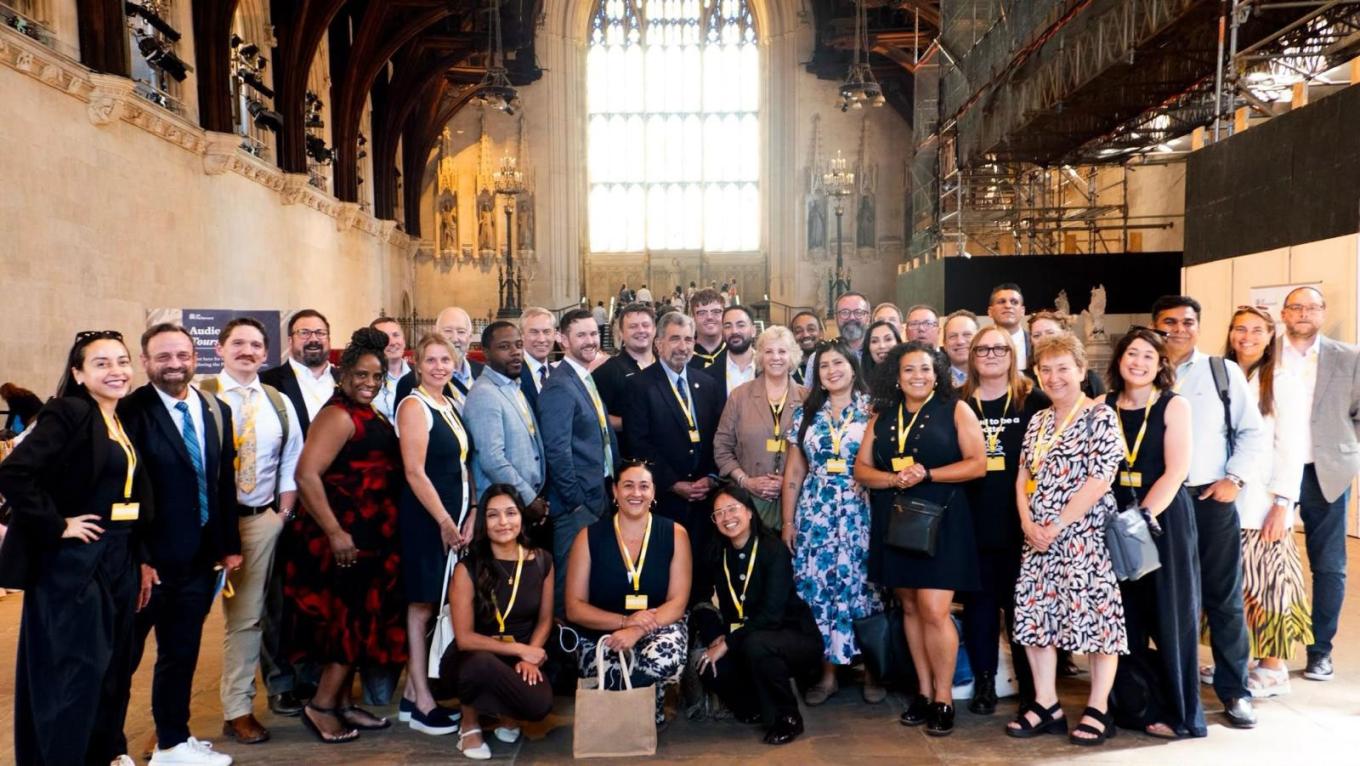
The delegation kicked off Monday morning with a visit to the British Parliament with CJI partners at Climate Jobs UK (CJUK), for a presentation by the Labour Climate and Environment Forum (LCEF) and the Institute for Public Policy Research (IPPR), giving an overview of the United Kingdom’s clean energy transition, labor market, and key drivers of this work in both the public and private sectors. Following this presentation, the delegates met with union leaders from CJUK, Mike Clancy, General Secretary of Prospect Union, Gary Smith, General Secretary of GMB, and Dave Douglas, Chair of Climate Jobs UK, to dig deeper into labor’s role in the UK’s energy transition and the biggest opportunities and challenges facing workers. Lastly, delegates heard from a panel of rank-and-file workers who spoke about the training and opportunities available to them, the challenges the transition may pose to their work, and how their communities are receiving the changes that come with it.
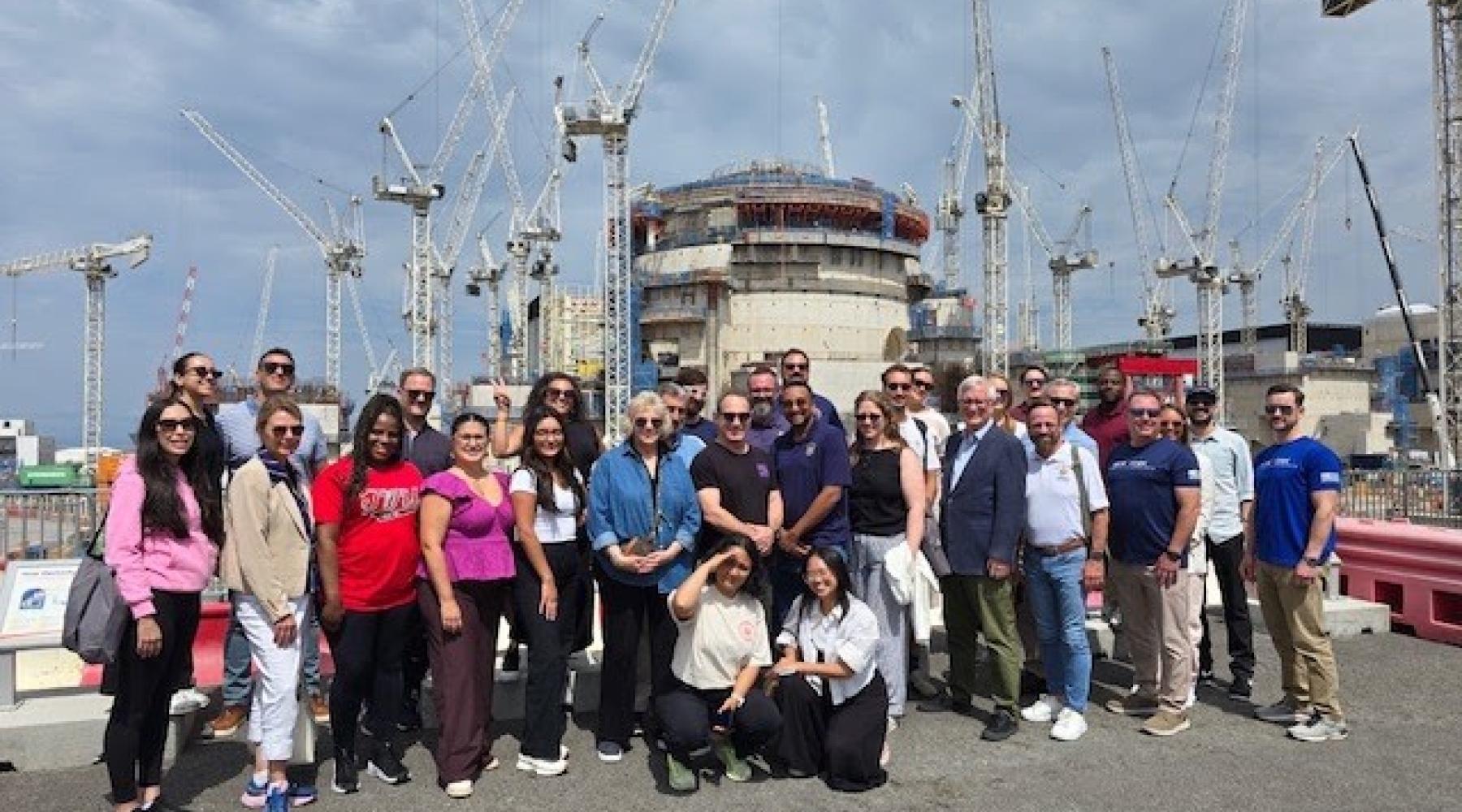
The next day, the delegation traveled west to visit the Hinkley Point C nuclear power station, where two new nuclear reactors are under construction. This visit gave the delegates an important opportunity to learn firsthand about the construction process, opportunities for workers and local communities, and the impact on the UK’s energy goals. Workers from Hinkley joined the delegation for lunch on site for candid discussions about their training and how locals welcomed the work. Lastly, a guided tour of the construction site highlighted the project's complexity and size, and how developers approached safety and security. The tour also prompted a discussion of supply-chain opportunities ahead of possible growth in the industry in New York, and the ways that a nuclear plant can provide jobs beyond construction and operations.
Wednesday’s programming focused on renewable energy and grid infrastructure. Delegates started the day with a conversation with RenewableUK, an organization representing nearly 500 companies spanning the full supply chain that develop, operate and maintain the UK's wind, tidal, and storage infrastructure. With the delegates and CJUK, RenewableUK discussed what industrial policies could help the UK build out offshore wind in a way that would create union jobs. Calling in from Scotland, Michael Shanks, Minister of State in the Department for Energy Security and Net Zero, spoke with the group on the government’s approach to reaching net zero emissions and how this intersects with other priorities, such as jobs and national security. The last meeting of the day was with National Grid, a major grid operator that also operates in New York and throughout the United States.
On the final day, delegates focused on transit. The morning began with a meeting with The National Union of Rail, Maritime and Transport Workers representatives to learn how UK transit operates, how funding sources differ from New York, and the history of the union’s impact on public transit. The day ended with a meeting with Mete Coban MBE, the Deputy Mayor of London for Environment and Energy. Delegates discussed London’s borough-by-borough approach to tackling the environmental crisis and the challenges each neighborhood faces in building critical transit infrastructure, like electric vehicle charging stations.
Over the week, the Climate Jobs Institute’s delegation gave New York legislators and labor leaders a close look at how the UK is pursuing its clean energy transition while building good union jobs. As New York moves forward with its own clean energy goals, the delegation offered lessons on training, supply chains, and local job creation that can help shape policy at home.