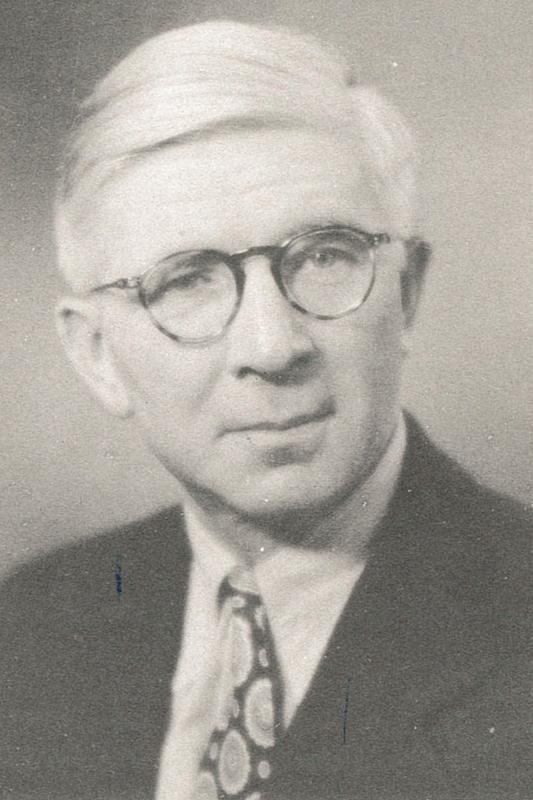
About the Taft Award
Related Destinations
- Kheel Center Guide to Philip Taft Records
- Catherwood Library
- Labor & Working-Class History Association (LAWCHA)
Contact us
Pam Gueldner
Cornell University
ILR School
Dept. of Labor Relations, Law, & History
275 Ives Hall
Ithaca, NY 14853
Tel: (607) 255-2744
Fax: (607) 255-6840
E-mail: pjg97@cornell.edu
The Philip Taft Labor History Award competition is open to any book or books published in the 2024 calendar year relating to the history of American Labor.
The committee defines "labor history" in a broad sense to include the history of workers (free and unfree, organized and unorganized), their institutions, and their workplaces, as well as the broader historical trends that have shaped working-class life, including but not limited to: immigration, slavery, community, the state, race, gender, and ethnicity.
A hard copy of each nominated book should be sent directly to each member of the Award Committee at the address listed in the Submission Guidelines. The Award is offered by the ILR School at Cornell University, in cooperation with the Labor and Working-Class History Association (LAWCHA).
Please nominate books no later than December 15, 2024. We will accept page proofs for books published during the last two weeks of December. Please check the Submission Guidelines for full nomination information. The winner of this year's prize will be announced at the 2025 LAWCHA annual meeting.
The 2024 Taft Labor History Award winners are Margo Canaday: Queer Career: Sexuality and Work in Modern America and Blair LM Kelley: Black Folks: The Roots of the Black Working Class.
Margot Canaday’s Queer Career: Sexuality and Work in Modern America (Princeton University Press) is a richly textured study of the changing status of LGBTQ+ workers since the mid-twentieth century. Canaday’s work is attentive to how differently situated workers experienced social, political, and cultural changes as they developed personal and collective strategies to improve their employment status. She does this through the collection of over one hundred oral histories as well as carefully combing through “traditional” historical archives. Her depiction of the workplace as a shifting space of opportunity, contestation, exploitation, trauma, and self-definition (among others) combines to be a fascinating and remarkable addition to the field of labor history. Her vivid and sensitive account will become mandatory reading for students of American labor history writ large.
Blair LM Kelley’s Black Folk: The Roots of the Black Working Class (W.W. Norton) tells a richly human story, intertwined with her own family’s history from enslavement to the present day. Written in incisive and accessible prose, this book is going to change the way we think about African American, women’s and labor histories. No scholar before her has traced more effectively a Black working-class organizing tradition from slavery to freedom and into the neoliberal era. The book touches on subjects and events that are familiar to labor historians but draws them all into a compelling narrative easily accessible for a general audience. This book places African American workers at the center of U.S. history from the antebellum period to the beginning of the 21st century. This field-changing labor history is already having an impact on how our colleagues teach.
Sincerely,
Ileen A. DeVault
Chair, Philip Taft Labor History Award Committee