

Cornell University mobile logo

CAROW on Care Work

Care work makes almost all other work possible. By caring for young children, the elderly, those in need of medical care, and people with disabilities, care workers are vital to the economy and the individuals they support.  

Growing demand for childcare and home care in the US is reaching crisis levels. Although crucial to the economy, care workers are often invisible, undervalued, and marginalized. The majority of care workers in the US are women of color, many of whom are immigrants, who face poor and precarious working conditions and low wages.

Researchers at ILR are shining a light on this often-overlooked workforce to better understand how to improve working conditions, empower workers, and improve outcomes for patients, children, families, and the vulnerable.

Job Quality and Wellbeing in Veterinarian Workplaces

The Center for Applied Research on Work (CAROW) at Cornell University is supporting research to better understand how to improve job quality and wellbeing for workers in veterinarian workplaces. We are interested in learning about your experience and invite you to participate in a short survey. As a Thank You, you will receive access to a free self-paced virtual training program, valued at more than $5,000
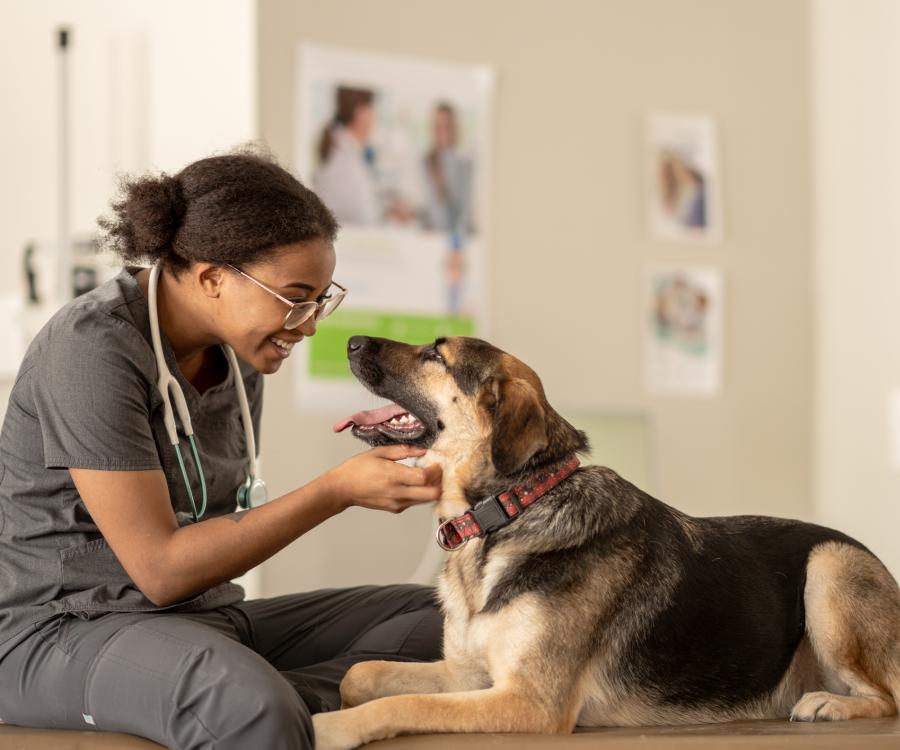
Vet with Dog
Learn More

Dr. Madeline Sterling Discusses how Unionization Affects Direct Care Workers

Apple Podcasts
In this episode of the PALTtalk podcast, Dr. Madeline Sterling, MD, MPH, MS, discusses how unions affect direct care workers’ employment conditions, economic outcomes, and well-being.
PALTtalk podcast logo
Dr. Madeline Sterling Discusses how Unionization Affects Direct Care Workers

‘Pause is the Pathway to Choice’: WI Event Explores Regenerative Organizing for the Labor Movement

On Feb. 27, Cornell ILR’s Worker Institute (WI) hosted “Regenerative Organizing for the Labor Movement: Focus on Care.” The event introduced the Regenerative Organizing model, a pilot program that helped unions and worker organizations address the mounting stress and trauma workers face.
Group of people on stage holding up signs
‘Pause is the Pathway to Choice’: WI Event Explores Regenerative Organizing for the Labor Movement

CAROW Examines How Unions Can Help Direct Care Workers

A pair of published papers released by the CAROW Initiative on Home Care Work shows that unionized direct care workers are likely to earn more money and are more likely to have employer-sponsored health care insurance and pension plans than non-unionized direct care workers.
A nurse tends to a wheelchair bound patient in her home
CAROW Examines How Unions Can Help Direct Care Workers

Domestic Workers Rising

Domestic workers perform the critical labor of caring for children and cleaning homes but face many forms of exploitation. Zoë West, Ketchel Carey, and Anne Marie Brady of ILR’s Worker Institute break down how an innovative peer training model is empowering domestic workers to demand more on the job.
Group of We Rise training participants raising fists in the air
Domestic Workers Rising

Why Are Direct Care Workers So Crucial and What Can Be Done to Improve their Working Conditions?

Guest contributor Kiran Abraham-Aggarwal, ILR '25, discusses direct care workers--the challenges they face, how their working conditions relate to patient outcomes, and possible ways forward.
Photo of a home healthcare worker administering medication to a woman who is seated and eating.
Why Are Direct Care Workers So Crucial and What Can Be Done to Improve their Working Conditions?

Understanding Child Care in New York State

In this explainer, Buffalo Co-lab's Steve Peraza breaks down the child care crisis in New York State and offers an innovative solution.
Steve Peraza holding a sign that says "Childcare is a right #universal."
Understanding Child Care in New York State