
Cornell University mobile logo

CAROW on Care Work

Care work makes almost all other work possible. By caring for young children, the elderly, those in need of medical care, and people with disabilities, care workers are vital to the economy and the individuals they support.  

Growing demand for childcare and home care in the US is reaching crisis levels. Although crucial to the economy, care workers are often invisible, undervalued, and marginalized. The majority of care workers in the US are women of color, many of whom are immigrants, who face poor and precarious working conditions and low wages.

Researchers at ILR are shining a light on this often-overlooked workforce to better understand how to improve working conditions, empower workers, and improve outcomes for patients, children, families, and the vulnerable.

Job Quality and Wellbeing in Veterinarian Workplaces

The Center for Applied Research on Work (CAROW) at Cornell University is supporting research to better understand how to improve job quality and wellbeing for workers in veterinarian workplaces. We are interested in learning about your experience and invite you to participate in a short survey. As a Thank You, you will receive access to a free self-paced virtual training program, valued at more than $5,000
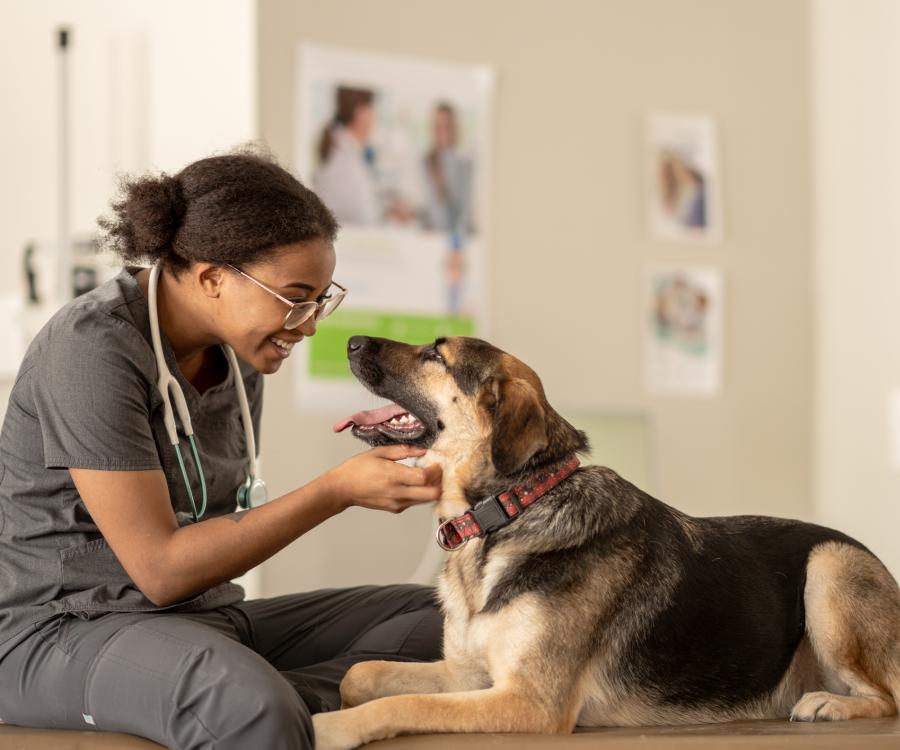
Vet with Dog
Learn More

Integrating Home Health Care into Learning Health System

Dr. Madeline Sterling and Dr. Lisa Kern highlight the need to better integrate home care into the broader healthcare system to improve outcomes for heart failure patients. Incorporating Home Heath Agencies into a "learning health system" could reduce hospital readmissions and enhance continuity of care after discharge.
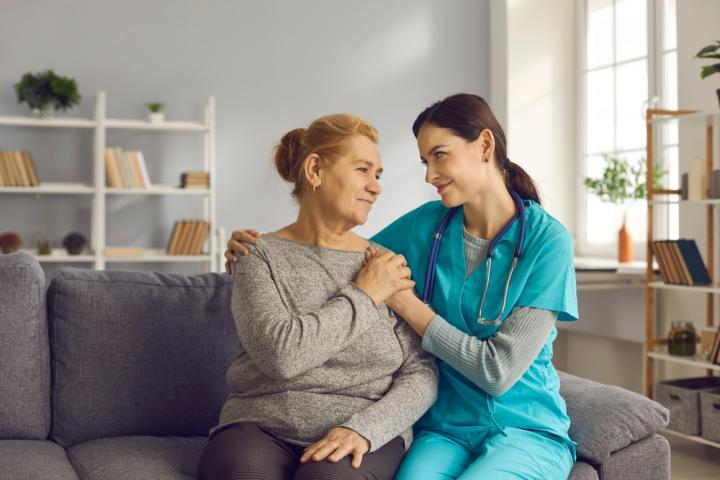
nurse and patient
Integrating Home Health Care into Learning Health System

New Research Shows Home Care Cooperative Can Improve Patient Care

Home care cooperatives – agencies co-owned and managed by home care workers – have key factors that appear to significantly improve the quality of care for patients, according to a new study co-authored by Senior Associate Dean for Outreach and Sponsored Research Ariel Avgar, Ph.D. ’08.
A home healthcare worker takes a man's blood pressure.
New Research Shows Home Care Cooperative Can Improve Patient Care

Avgar, CAROW Awarded Grant to Document Home Care Worker Power

The ILR School and Weill Cornell Medicine have received a $300,000 grant from the Robert Wood Johnson Foundation to administer a worker-focused survey of home health aides across the North and the South of the United States.
Ariel Avgar
Avgar, CAROW Awarded Grant to Document Home Care Worker Power

Health Care Cooperatives Could Hold Key to Easing Elderly Caregiver Shortage

Home care cooperatives may be the key to alleviating the shortage of paid caregivers for older Americans, according to a new study co-authored by Ariel Avgar, Ph.D. ’08, and Dr. Madeline Sterling, A&S ’08, director of ILR’s Initiative on Home Care Work.
Scheinman Institute team helping measure results of healthcare restructuring
Health Care Cooperatives Could Hold Key to Easing Elderly Caregiver Shortage

How AI Can be Implemented More Fairly in Home Health Care and Low-Wage Work Settings

New findings from the Initiative on Home Care Work at Cornell University’s Center for Applied Research on Work (CAROW) points to how stakeholders can use AI more fairly in home health care and low-wage work settings.
Home care worker talks with patient
How AI Can be Implemented More Fairly in Home Health Care and Low-Wage Work Settings

Home care workers unaware of AI’s role and potential benefits

Cornell Chronicle
A study led by co-authors Nicola Dell and Ian René Solano-Kamaiko reveals that home care workers are unaware of the artificial intelligence (AI) systems being implemented in their workplace and highlights the need for greater transparency.
home care-with-nurse
Home care workers unaware of AI’s role and potential benefits