


Through a labor and equity lens, you will examine the causes and consequences of climate change, understanding how this global crisis exacerbates existing inequalities and poses significant challenges for diverse populations.


Research and Policy
See additional research and policy resources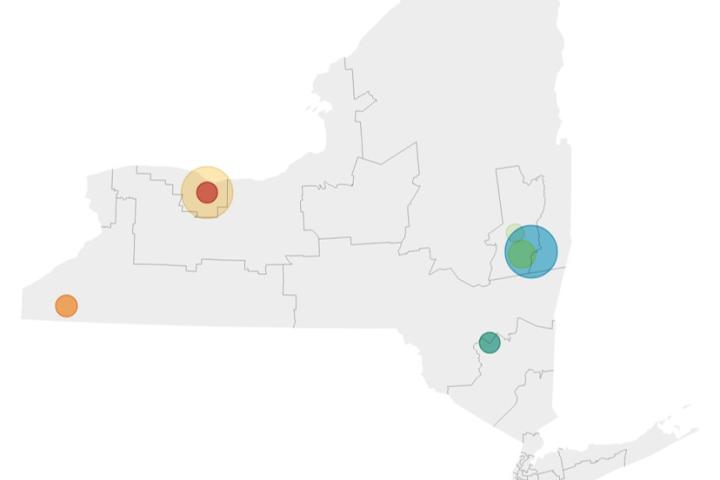
Recent Publications
See additional publications
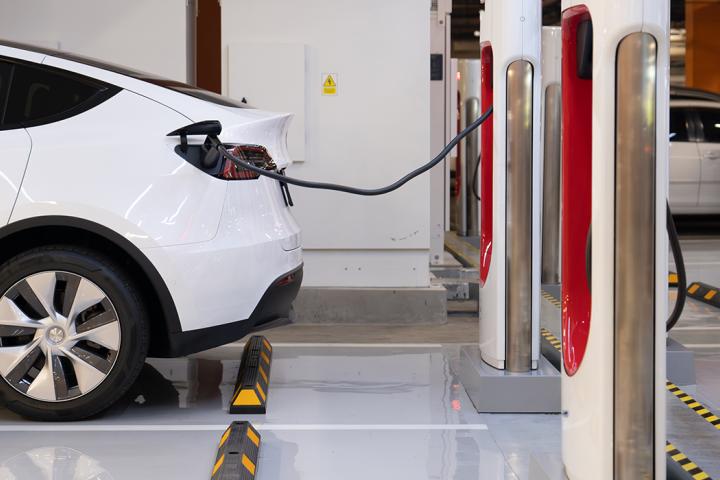

Training and Education
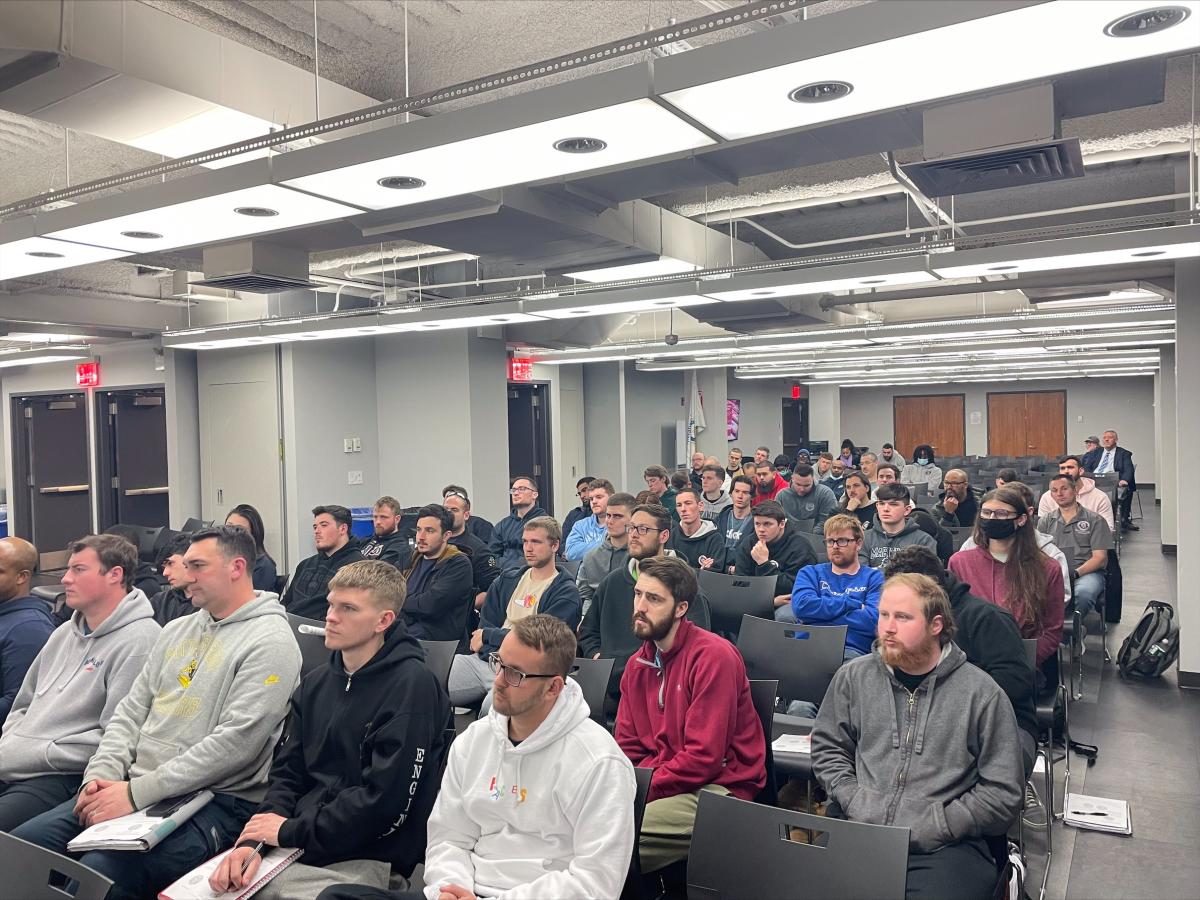
The Climate Jobs Institute partners with labor unions and state coalitions like Climate Jobs NY to train union leaders and members on climate and clean energy issues. These trainings, covering topics like offshore wind development and delivering public testimony, build trade unionists’ knowledge and skills so they can engage in debates over climate action.
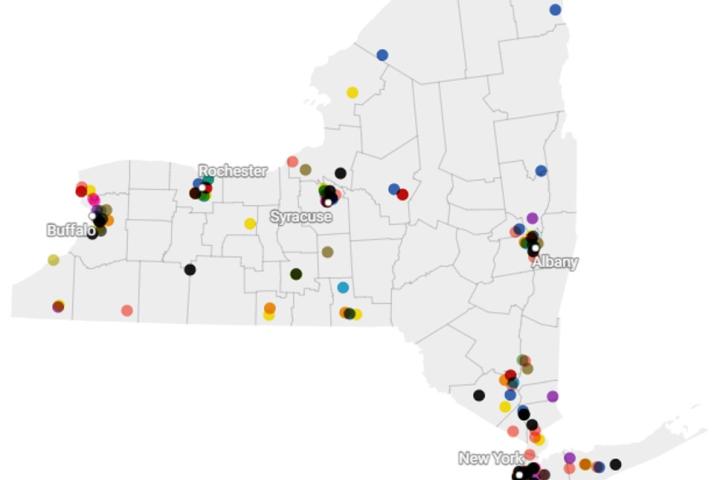
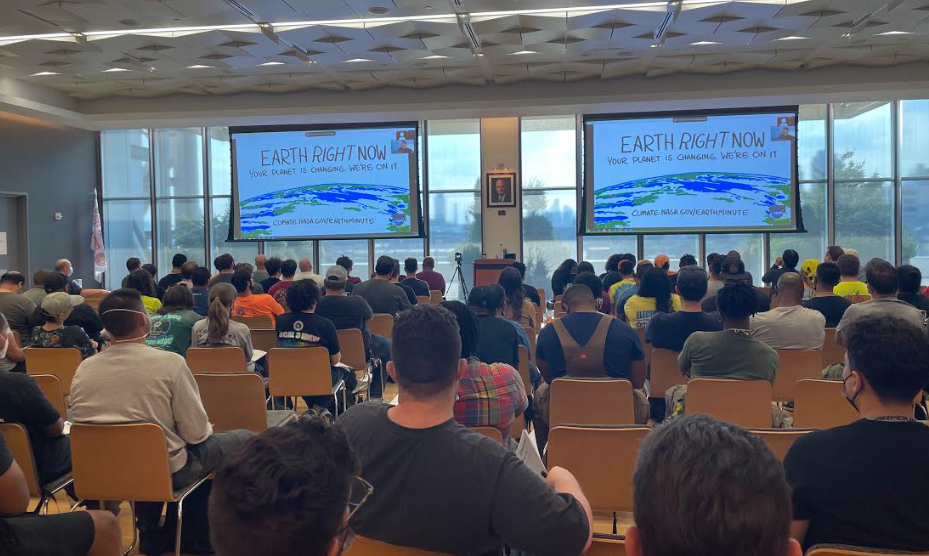
Having the most up-to-date information is important when championing climate jobs. The Climate Jobs Institute has developed maps, infographics, and other materials to help you better understand the climate and clean energy landscape.
In the News
See all news storiesStudent Engagement
The Climate Jobs Institute Research Fellows will research a variety of topics related to climate change, and contribute to the creation of multi-state “climate jobs” policy papers and Canva presentations that address topics including job and training quality standards in energy efficiency and renewable energy work and exploring innovative financing models for climate mitigation activities.
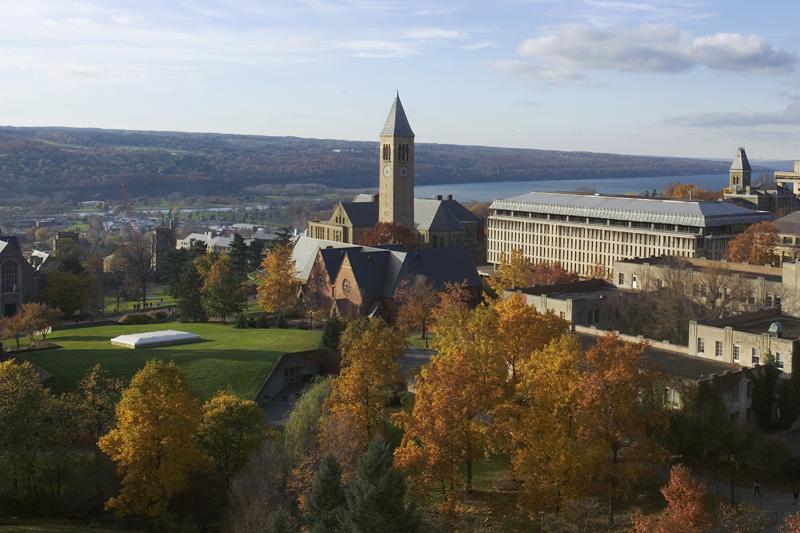
Hear from labor leaders, and members, some of whom work on the frontlines of climate change, about the urgency to take on climate change by building a new renewable energy industry powered by good, family-sustaining union jobs.
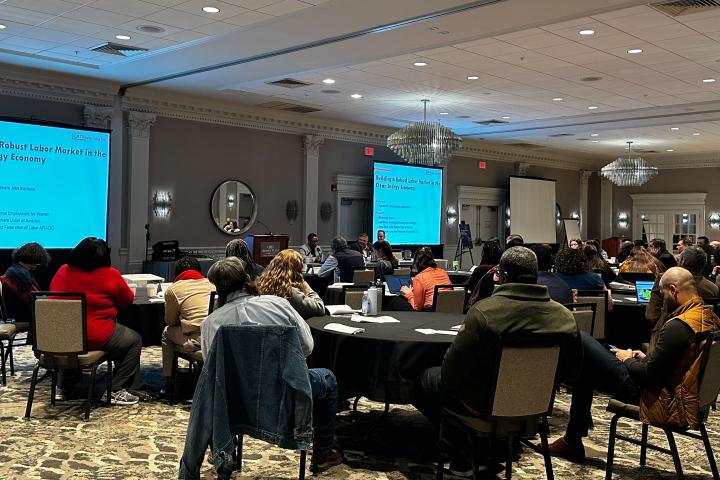
The Climate Jobs Summit on September 21 and the accompanying Week of Action brought together climate jobs coalitions, labor leaders, union climate activists, environmental advocates, policymakers, scientists, and allies in our shared mission to build an equitable renewable energy economy powered by good union jobs.
The Second Annual Virtual Climate Jobs Summit took place on September 21, 2021, during Climate Week NYC. The Summit convened climate jobs coalitions, labor leaders, union climate activists, environmental and environmental justice advocates, clean-energy developers, policymakers, scientists, and allies in our shared mission to build an equitable renewable energy economy powered by good union jobs. Throughout the Summit, emphasis was made on the urgency of taking action to lift up America’s working families through bold climate investments that create millions of family-sustaining union careers.
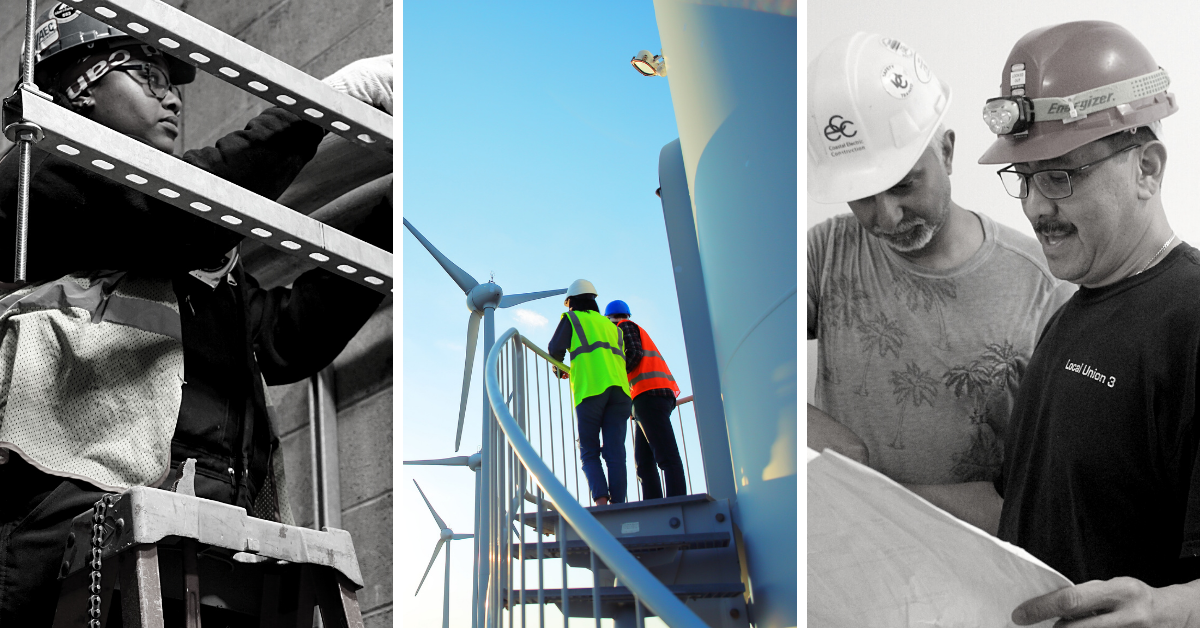
The 2020 Climate Jobs and Just Transition Summit brought together labor leaders, union climate activists, environmental and environmental justice advocates, clean-energy developers, policymakers, and scientists to discuss how to build the clean-energy economy of tomorrow with strong union jobs.
About the Institute
Find out more about the Climate Jobs InstituteThe Climate Jobs Institute is guiding New York and the nation’s transition to a strong, equitable, and resilient clean energy economy that tackles the climate crisis, creates high-quality jobs, confronts race and gender inequality, and builds a diverse and inclusive workforce. We help policy makers and labor, environmental and industry leaders navigate this historic transition through cutting-edge applied research, deep relationships with on-the-ground partners, and innovative training and education programs.
The Climate Jobs Institute (CJI) at Cornell University’s ILR School is guiding the nation’s transition to a strong, equitable, and resilient clean energy economy by pursuing three aims: to tackle the climate crisis; to create high-quality jobs; and to build a diverse, inclusive workforce.
Through cutting-edge policy studies, deep relationships with on-the-ground partners, and innovative training and education programs, the CJI provides information that policymakers, the labor and environmental movements, industry leaders, and others need to navigate this historic transition to a zero-carbon economy.