



Our Mission
The Worker Institute at Cornell engages in research and education on contemporary labor issues, to generate innovative thinking and solutions to problems related to work, economy and society. The institute brings together researchers, educators and students with practitioners in labor, business and policymaking to confront growing economic and social inequalities, in the interests of working people and their families. A core value of the Worker Institute is that collective representation and workers' rights are vital to a fair economy, robust democracy and just society.

People at the Institute






Donate today

The Worker Institute at Cornell engages in research, training and education to advance worker’s rights and collective representation and help create a more fair, equitable and sustainable workplace and society.
The Institute conducts cutting-edge research and convened researchers, educators and students with practitioners in labor, social justice and policymaking to address workers’ rights in the gig economy, sexual harassment in the workplace, and creating good jobs in the clean energy economy.
Your gift to The Worker Institute will support workers’ rights and contribute to building a more diverse, inclusive and dynamic labor movement.
Past Events
See all Worker Institute Events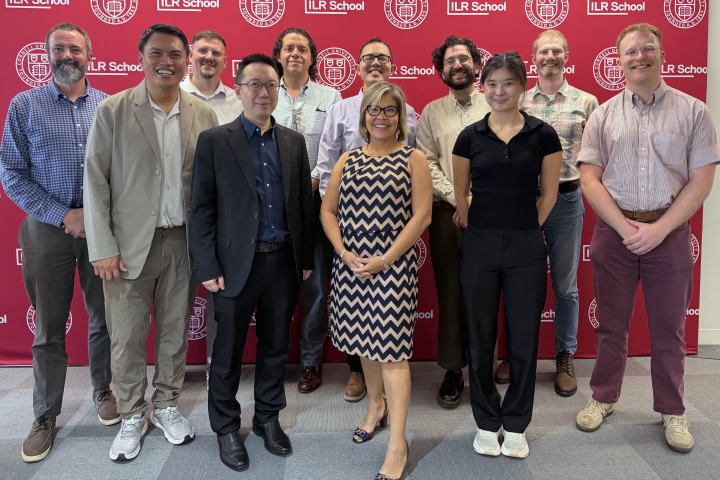

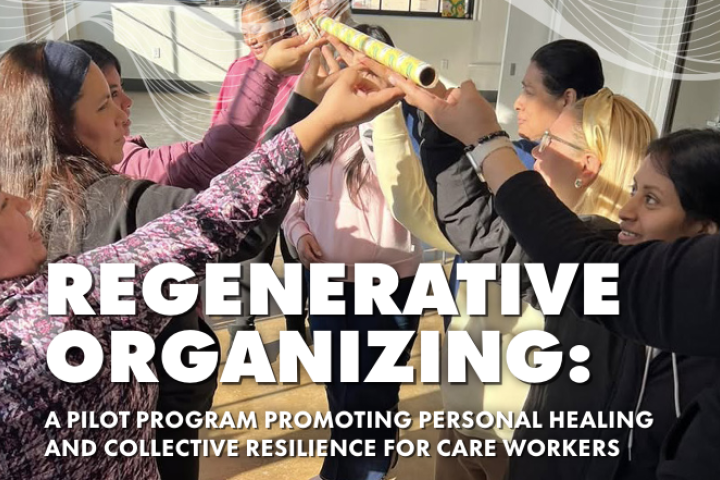
Through our Fellows program, the Worker Institute acknowledges the groundbreaking work of our external colleagues and partners in the labor movement. Worker Institute Fellows have been nominated due to their ongoing and continued work on key Worker Institute projects.
